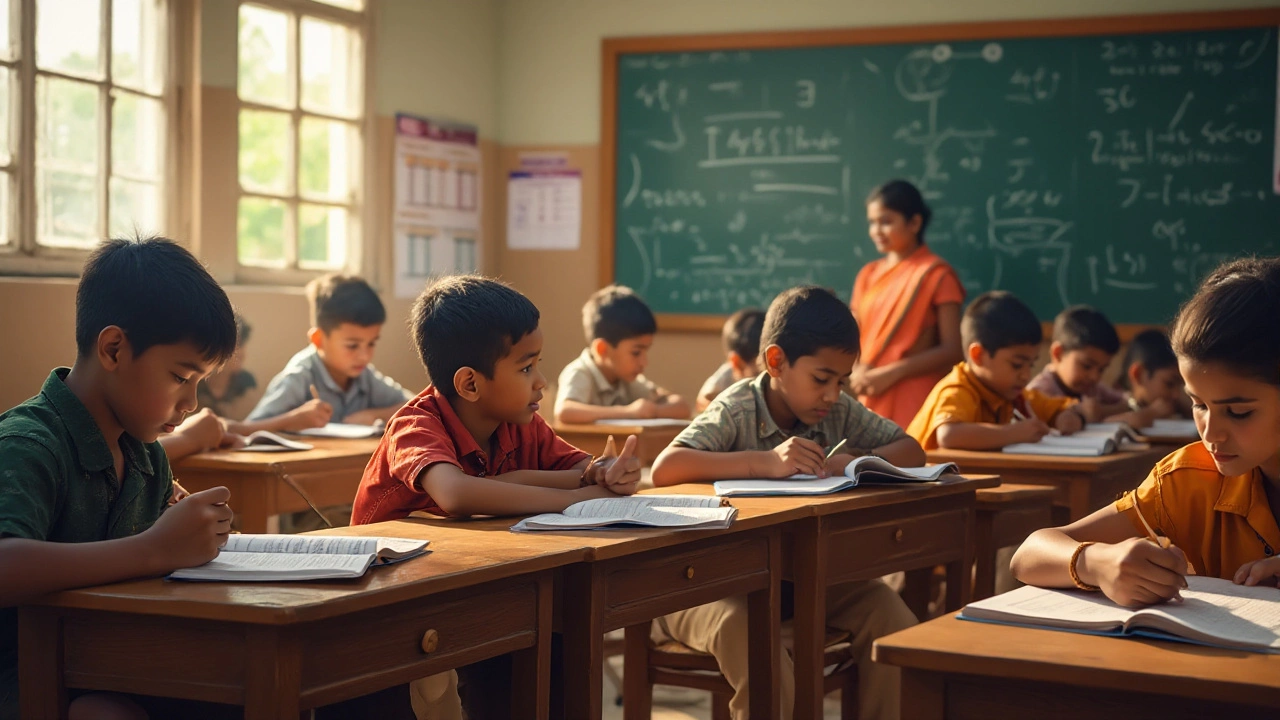
Academic Pressure: Why It Happens and How to Handle It in India's Education System
When you hear the term academic pressure, the intense stress students feel from school demands, exam expectations, and family ambitions. Also known as education-related stress, it’s not just about bad grades—it’s about feeling like your entire future hangs on a single test score. In India, this isn’t rare. It’s routine. From Class 5 to Class 12, students are told that their worth is tied to marks, ranks, and entrance exam results. And it’s not just the students. Parents, teachers, and even society act like success is binary: you either crack IIT JEE or you don’t matter.
This pressure doesn’t come from nowhere. It’s built into systems like CBSE schools, the national board that standardizes exams across the country and aligns closely with competitive entrance tests. These schools teach to the test, not to curiosity. They push memorization over understanding. And when you combine that with coaching centers that promise top ranks, the weight gets heavier. competitive exams, like JEE, NEET, and UPSC, which determine access to elite colleges and careers become the only goal. Many students spend years chasing them, skipping hobbies, sleep, and even friendships. The result? Burnout. Anxiety. Depression. And too often, silence—because asking for help feels like admitting defeat.
But here’s the truth: academic pressure isn’t a badge of honor. It’s a system flaw. And you’re not weak for feeling it. The posts below show real stories—from students who cracked IIT JEE in six months to those who walked away from coaching to find their own path. You’ll see how some kids thrive under pressure, while others break. You’ll find out why CBSE papers feel the same across India but still cause panic. You’ll learn what apps actually help, and which ones just add to the noise. This isn’t about pushing harder. It’s about pushing back—with smarter habits, better support, and the courage to ask: Is this really worth it?
When it comes to rigorous educational environments, several countries have made a name for themselves. While India's CBSE curriculum is structured to maintain high standards and broad coverage, students worldwide also face significant challenges. From South Korea's high pressure in competitive exams to Finland's focus on equity and less standardized testing, each country approaches education uniquely. Understanding these systems can offer valuable insights into what makes an education system 'tough.' The varying methodologies highlight cultural differences, societal expectations, and future workforce requirements.