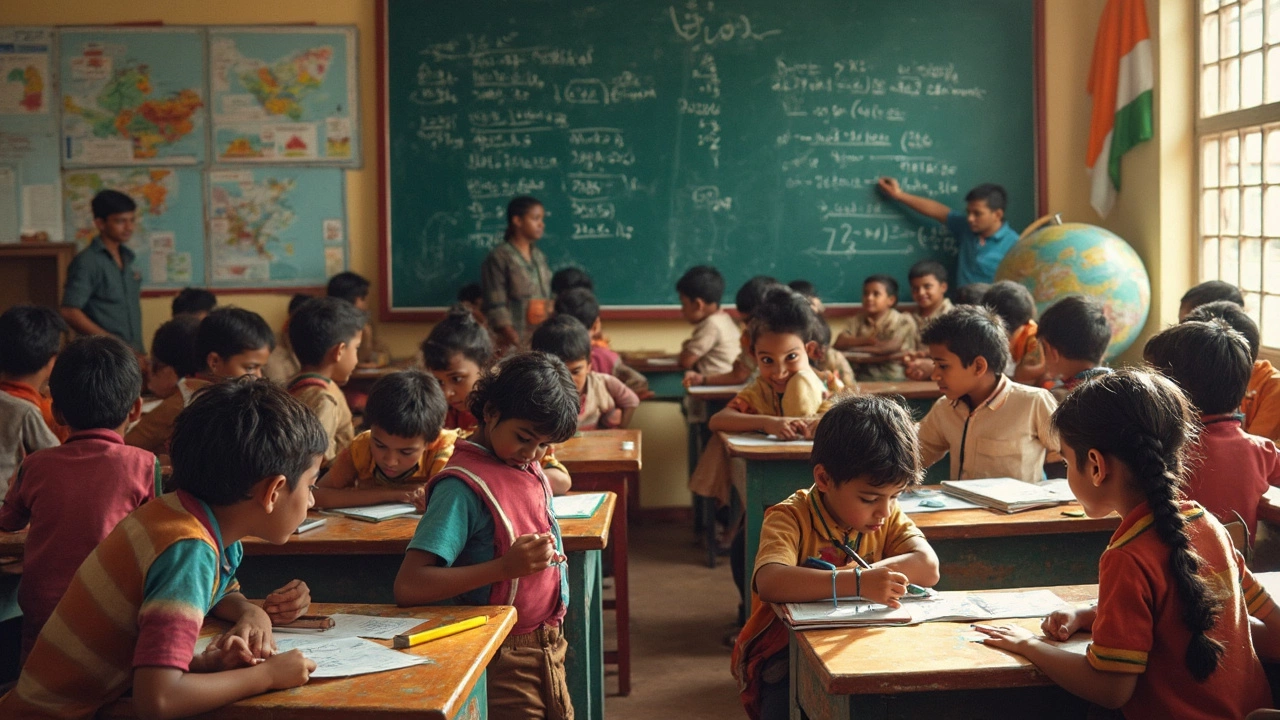
Education in India: Guides for Students, Parents, and Learners
When you think about education, the system that shapes how millions of students in India learn, prepare for exams, and build careers. Also known as schooling, it’s not just about textbooks—it’s about choosing the right board, using the right tools, and knowing what actually gets results. Whether you’re a student aiming for IIT JEE, a parent deciding between CBSE and ICSE, or someone trying to learn coding or English online, the real question isn’t what’s popular—it’s what works for you.
CBSE schools, the most common school system in India, designed for national exams and mobility across states. Also known as Central Board of Secondary Education, it’s the go-to for families preparing for JEE, NEET, or government jobs because it aligns directly with those tests. But it’s not the only option—state boards, ICSE, and international curricula each serve different goals. Then there’s e-learning platform, digital spaces like Coursera, Khan Academy, and Google Classroom that deliver lessons, track progress, and let you learn anytime. These aren’t just fancy websites—they’re how students in small towns access coaching once only available in big cities.
And when it comes to competitive exam preparation, the intense, focused effort needed to crack exams like UPSC, SSC, NEET, or CAT. Also known as entrance exam prep, it’s not about studying harder—it’s about studying smarter. That means picking the right app, following a realistic schedule, and avoiding burnout. Tools like Physics Wallah, Udemy, or even free YouTube channels have changed the game. You don’t need to spend thousands anymore. You just need clarity. Meanwhile, digital learning platforms, the apps and websites that host courses, quizzes, and live classes. Also known as online learning systems, they’re not just for college students. Even someone learning to use email or cloud storage for the first time is using one. These platforms make learning accessible, affordable, and personal.
You’ll find real stories here—like how someone cracked IIT JEE in six months, what makes a coding class worth its price, or why Google Classroom is used by millions of Indian teachers. There’s no theory without practice. No hype without results. This isn’t a list of generic tips. It’s a collection of what people actually did to get ahead. Whether you’re starting from zero or trying to level up, you’ll find something that matches your situation. No fluff. No filler. Just clear, useful guidance for anyone navigating India’s education system.
Understanding the difference between vocational and educational paths is crucial for making informed career decisions. Vocational courses focus on hands-on skills and specific job training, while education emphasizes broad academic knowledge. Both have unique benefits and can cater to different career goals. Whether you're aiming for direct entry into the workforce or seeking an academic degree, knowing these distinctions helps tailor your path.
Online teaching has seen a boom, with educators worldwide looking to maximize their earnings. This article explores e-learning platforms that offer competitive compensation, delving into which subjects or skills are in demand. Find out tips to choose the right platform that matches your expertise and goals. Discover the high-demand areas you can focus on to improve your earning potential.
In India's education system, choosing a degree can be daunting. This article delves into which degrees are considered the toughest, focusing on courses under the CBSE syllabus. We explore the challenges students face, backed by interesting facts and practical tips. Understanding this can help students make informed decisions about their academic futures.
The term 'free online courses' often sparks curiosity and enthusiasm. However, are these courses truly free, or are there hidden costs waiting to be uncovered? This article delves into the intriguing world of e-learning to uncover potential fees, additional material costs, and what 'free' really means in various contexts. By exploring these facets, learners can make more informed decisions.