Canvas in Education: Digital Tools, Learning Platforms, and How They Help Students
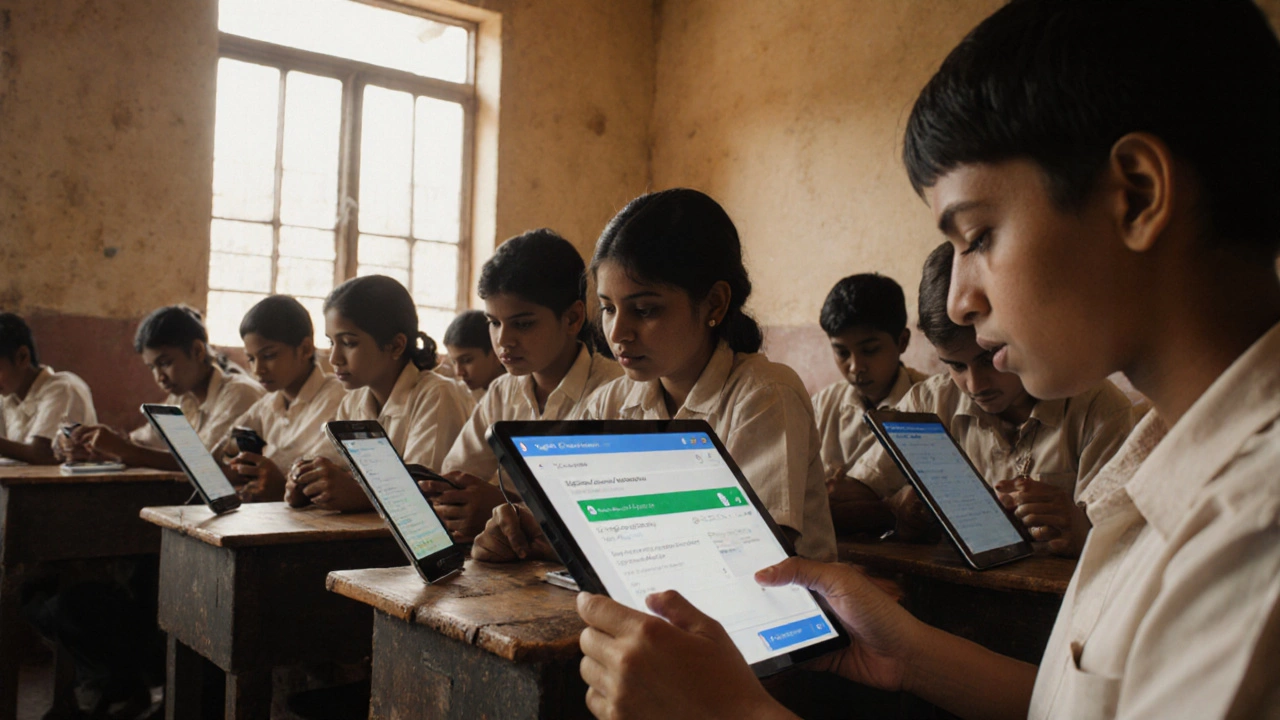
When you hear Canvas, a learning management system used by schools and colleges to deliver online courses, assignments, and grades. Also known as LMS, it is one of the most common digital tools helping students in India track their progress, submit homework, and access study materials without needing a physical classroom. Canvas isn’t just software—it’s the backbone of how many schools now run hybrid learning. Whether you’re a student preparing for JEE Main or a teacher managing 50+ assignments, Canvas makes it easier to stay organized, even when you’re not in the same room.
Canvas works hand-in-hand with other digital learning platforms like Khan Academy, a free educational site offering video lessons in math, science, and more, and Google Classroom, a tool teachers use to share files, give feedback, and schedule deadlines. These aren’t just apps—they’re part of a bigger shift in how education happens. In India, where students move between cities for coaching, or where rural schools lack textbooks, platforms like Canvas let learning follow the student, not the other way around. You don’t need to be tech-savvy to use them. Most students learn by doing: clicking a link, uploading a photo of their math work, or watching a 10-minute video on Newton’s laws.
What makes Canvas stand out isn’t its fancy interface—it’s how it connects to real learning goals. If you’re studying for NEET, your coaching institute might use Canvas to post daily practice tests. If you’re in a CBSE school, your teacher might share past papers through it. Even if you’re learning English speaking skills, you might get audio exercises or discussion prompts via Canvas. It’s not about replacing teachers—it’s about giving them better tools to reach you. And for students who need flexibility, like those balancing exams with part-time jobs or family responsibilities, this kind of platform isn’t a luxury—it’s a necessity.
Behind every successful online learner is a system that works quietly in the background. Canvas, Google Classroom, Coursera, and others are the invisible support system making modern education possible. You won’t see them on billboards, but you’ll feel them every time you log in, submit an assignment, or check your grade. The posts below show how these tools are being used right now—by students cracking IIT JEE in six months, by teachers managing hundreds of learners, and by parents trying to understand what’s happening on the other side of the screen. What you’ll find here isn’t theory. It’s real stories, real setups, and real advice on how to make digital learning work for you.
E-learning platforms are the most common type of internet platform for education, used by over 100 million people daily. They power schools, universities, and workplaces with tools for learning, tracking, and feedback.