US vs India: How Education Systems Compare and What It Means for Students
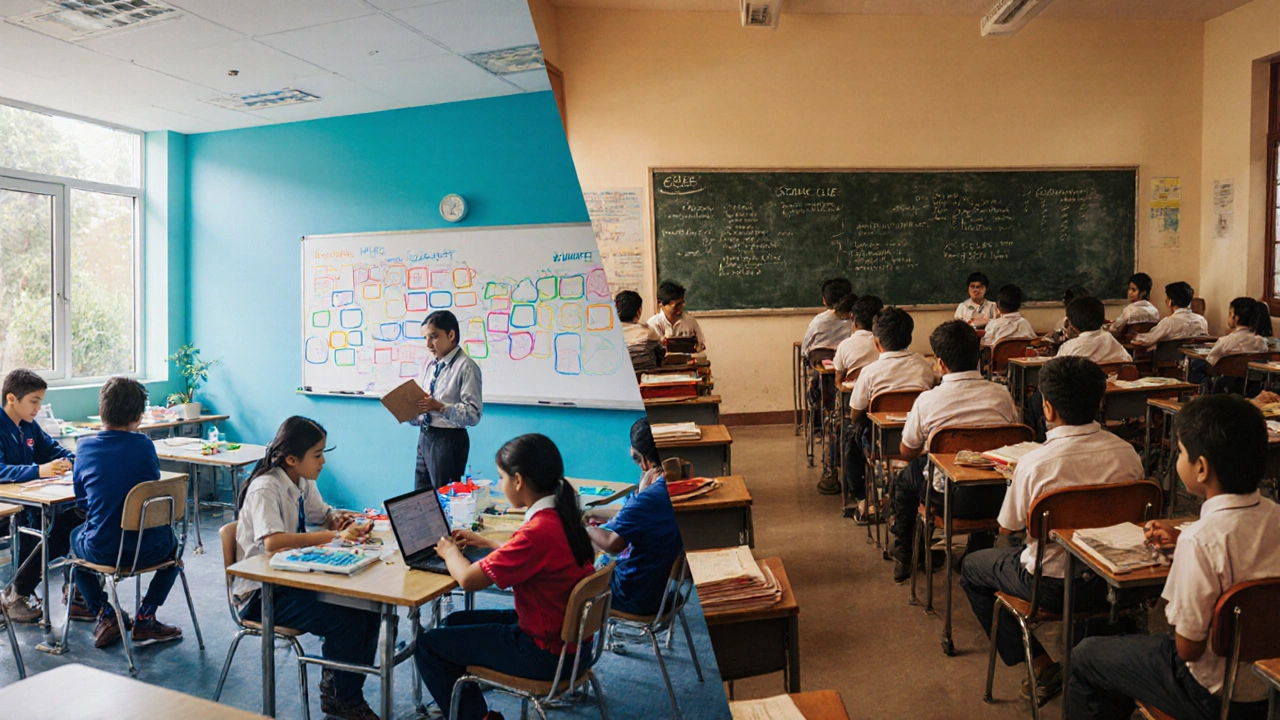
When people talk about US vs India education, the comparison between how students learn in the United States versus India. Also known as American vs Indian schooling, it’s not just about who has better scores—it’s about how each system shapes thinking, stress, and future opportunities. In India, education is heavily focused on standardized testing. From CBSE to state boards, students spend years preparing for high-stakes exams like JEE and NEET, where one test can decide their career path. In the US, grades matter, but so do projects, participation, extracurriculars, and personal essays. One system rewards memorization under pressure. The other rewards creativity and consistency over time.
The Indian education system, a highly structured, exam-driven model used across public and private schools nationwide. Also known as board-based education, it’s designed for scale and uniformity. That’s why CBSE papers are standardized across states, and why apps like Physics Wallah have millions of users drilling the same problems every day. Meanwhile, the US education system, a decentralized model where curriculum, funding, and standards vary by state and even district. Also known as American K-12 system, it gives schools more freedom but creates big gaps in quality. A student in Silicon Valley might have access to coding bootcamps and AI labs, while a student in rural Mississippi might struggle to get a reliable internet connection. The result? Indian students often enter college with strong technical skills but less experience in independent thinking. American students may be better at speaking up and collaborating—but often lack the deep subject mastery seen in top Indian performers.
It’s not about which system is better. It’s about which one fits your goals. If you want to crack IIT JEE in six months, the Indian model gives you the structure to do it. If you want to build a startup or lead a team, the US approach trains you differently. And if you’re trying to choose between CBSE and an American curriculum for your child, it’s not about prestige—it’s about whether they thrive under strict deadlines or open-ended projects. The posts below show real examples: how CBSE aligns with competitive exams, why Google Classroom is used in both countries, and how apps like Coursera are bridging the gap between systems. You’ll see what students in each country actually do every day, what works, what doesn’t, and how you can use those lessons—even if you’re not planning to move abroad.