Blended Learning: How Hybrid Education Is Changing How Students Learn in India
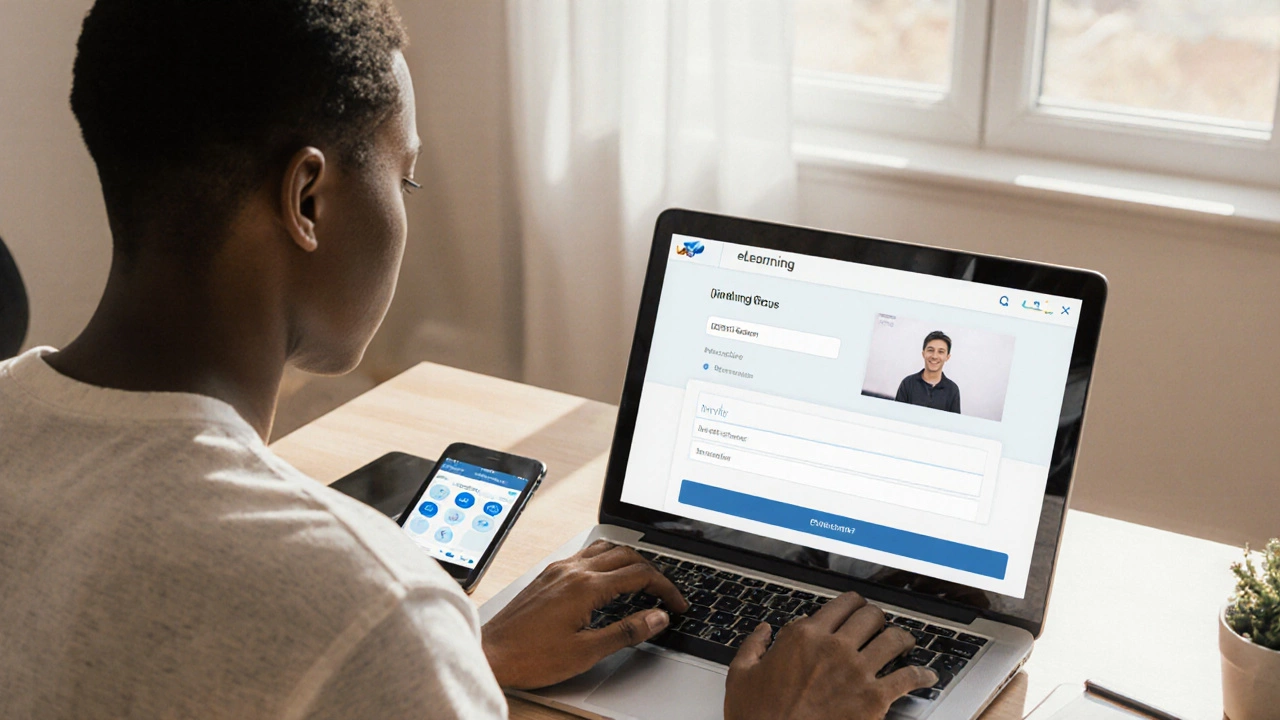
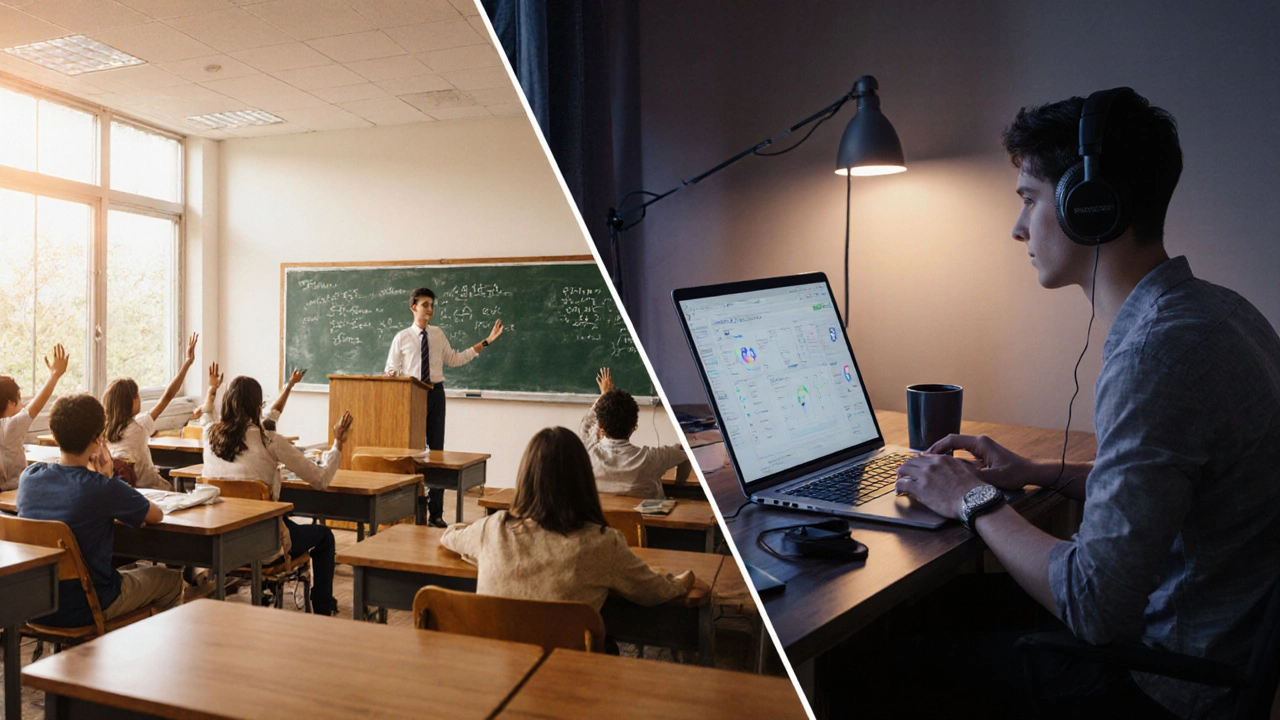
When you think of blended learning, a mix of online instruction and face-to-face classroom teaching. Also known as hybrid learning, it's not just a trend — it's now the default way many Indian students study for exams like JEE, NEET, and even CBSE board tests. This isn’t about swapping textbooks for tablets. It’s about using the best of both worlds: the structure of a teacher in a room and the flexibility of learning on your phone or laptop at 10 PM.
Blended learning requires access to reliable e-learning platforms, digital tools that host lessons, quizzes, and progress tracking — things like Google Classroom, Khan Academy, or Physics Wallah. But it also depends on teachers who can design lessons that work both online and offline. You can’t just upload a video and call it done. The magic happens when a student watches a 15-minute video on Newton’s laws at home, then walks into class ready to solve problems with peers and get real-time help. That’s the kind of learning that sticks.
It’s also why digital learning platforms, online systems used by schools and coaching centers to deliver content and track performance have exploded in popularity across India. From metro cities to small towns, students are using apps to revise formulas, take mock tests, and get instant feedback — all while still attending school daily. CBSE schools, in particular, have started adopting this model because it matches the pace and pressure of competitive exams. A student can watch a JEE Main concept video at night, practice problems during school, and review mistakes the next morning — all without waiting for a weekly coaching session.
Blended learning doesn’t mean more screen time for the sake of it. It means smarter time use. It’s about knowing when to listen to a lecture, when to practice alone, and when to talk through a problem with a teacher. It’s flexible enough for someone preparing for NEET in a rural town with limited coaching, and structured enough for a city student juggling school and coaching. And because it’s data-driven — you can see exactly where you’re weak — it helps you fix gaps before the exam.
What you’ll find below are real stories and practical guides on how blended learning is being used across India — from how students crack IIT JEE in six months using apps, to why Google Classroom is now as common as notebooks in CBSE schools, to which digital platforms actually move the needle on exam scores. No theory. No fluff. Just what’s working right now for real students.
Explore the core differences between classroom learning and eLearning, their pros and cons, costs, engagement levels, and how blended approaches combine the best of both.