Moodle: What It Is and How It Powers Online Learning in India
When you think of Moodle, an open-source learning management system used by schools, colleges, and training centers to deliver online courses. Also known as an LMS, it lets teachers upload lessons, track student progress, and run quizzes—all without needing to code anything. It’s not just another website. Moodle is the engine behind many digital classrooms in India, from small coaching centers in Jaipur to big universities in Bangalore.
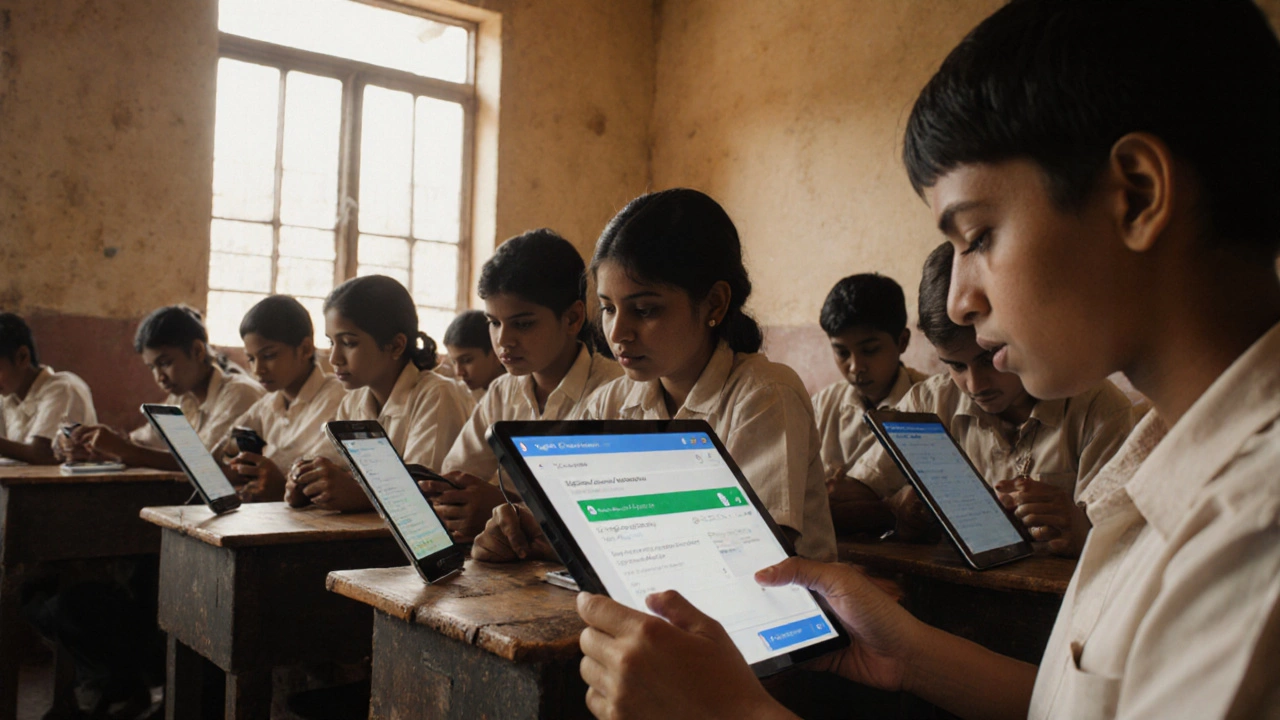
It’s not magic. It’s simple tools: assignments, forums, videos, and progress reports. Teachers use it to post study material after class. Students log in to watch lectures, submit homework, and check grades. Many CBSE schools and NEET coaching institutes now rely on Moodle because it works on phones, doesn’t need expensive software, and keeps everything in one place. Compared to flashy apps that disappear after a month, Moodle sticks around because it’s built for education—not hype. It’s the quiet workhorse behind eLearning, the practice of delivering education through digital tools, and it’s what makes online learning feel real, not just a video call with a screen share.
What’s more, Moodle connects to other tools teachers already use. It can pull in Google Classroom files, link to YouTube videos, or sync with payment systems for paid courses. Schools in Uttar Pradesh use it to reach students in rural areas. Universities in Maharashtra use it to manage thousands of learners at once. And it’s free. That’s why it’s everywhere—even if you don’t hear its name. Behind every online learning platform, a system that delivers courses over the internet that feels organized and reliable, there’s often Moodle doing the heavy lifting.
You’ll find posts here that show how Moodle is used for IIT JEE prep, how it compares to Coursera or Google Classroom, and how teachers in India set it up without tech help. Some explain how to use it for group projects. Others break down why it’s better than WhatsApp groups for assignments. No fluff. Just real setups, real results. If you’re a student trying to find your course materials, a teacher tired of sending PDFs over text, or a parent wondering where your kid’s homework went—this collection gives you the straight facts. Moodle isn’t going anywhere. And now you know exactly how to use it.
E-learning platforms are the most common type of internet platform for education, used by over 100 million people daily. They power schools, universities, and workplaces with tools for learning, tracking, and feedback.