
Find Your Perfect English Learning Channel
Answer these three questions to get a personalized recommendation from the top channels mentioned in our guide.
Your Personalized Picks
Staring at a blank screen while trying to speak English can feel like hitting a wall. You know the grammar rules, you’ve memorized vocabulary lists, but when it’s time to talk, the words just don’t come out right. Sound familiar? You are not alone. Millions of learners worldwide face this exact hurdle. The good news is that you don’t need an expensive tutor or a fancy classroom to break through. You have a powerful tool right in your pocket: YouTube.
But here is the catch: there are thousands of English learning channels online. Some teach outdated slang, others focus too much on academic writing, and many are just entertaining vlogs with zero educational value. Finding the best YouTube channel for spoken English requires looking past the subscriber count and focusing on teaching style, clarity, and relevance to real-life conversations. In this guide, we will cut through the noise and highlight the top channels that actually help you speak confidently, clearly, and naturally in 2026.
What Makes a YouTube Channel Effective for Speaking?
Before diving into specific recommendations, it helps to understand what separates a great speaking coach from a mediocre one. Not all English content is created equal. A channel might be excellent for IELTS preparation but terrible for casual chat skills. To truly improve your spoken English, look for these three pillars:
- Active Listening Cues: Does the host pause for you to repeat phrases? Do they encourage shadowing (mimicking speech patterns)? Passive watching won’t make you fluent; active participation will.
- Real-World Context: Are they teaching textbook dialogues like "How do you do?" or practical exchanges like "Could you give me a hand with this?" Real life is messy, informal, and fast. Your training should reflect that.
- Pronunciation Breakdowns: Great channels don’t just say the word; they show you where to put your tongue, how to shape your lips, and how to use intonation to convey meaning.
If a channel lacks these elements, it might be fun to watch, but it won’t transform your speaking ability. Let’s look at the channels that nail these criteria.
Top Picks for General Fluency and Daily Conversation
For most learners, the goal is simple: hold a conversation without freezing up. These channels focus on natural flow, common idioms, and the kind of language used in offices, cafes, and social gatherings.
English with Lucy is a popular British English channel known for its high production quality and focus on sophisticated vocabulary and pronunciation. Lucy creates visually appealing videos that break down complex sounds and polite expressions. If you want to sound educated and refined, her content on "words to sound smarter" is invaluable. However, keep in mind that her accent is distinctly Received Pronunciation (RP), which may differ from the American or Australian accents you encounter daily.
On the other side of the Atlantic, MmmEnglish offers practical, energetic lessons focused on everyday Australian and international English. Emma, the host, has a warm, encouraging demeanor that makes learning feel less like work and more like chatting with a friend. Her series on body language and non-verbal communication is particularly useful because speaking isn’t just about words-it’s about confidence and presence. She frequently addresses common mistakes made by non-native speakers, providing clear corrections that stick.
Another standout is BBC Learning English, which provides short, bite-sized clips covering news, culture, and language nuances. Their "The English We Speak" series is perfect for picking up current slang and idioms quickly. Each video is under three minutes, making it easy to fit into a busy schedule. This channel is ideal if you prefer variety over deep-dive lectures.
Mastering Pronunciation and Accent Reduction
Even if your grammar is perfect, poor pronunciation can hinder understanding. These specialists focus on the physical mechanics of speech.
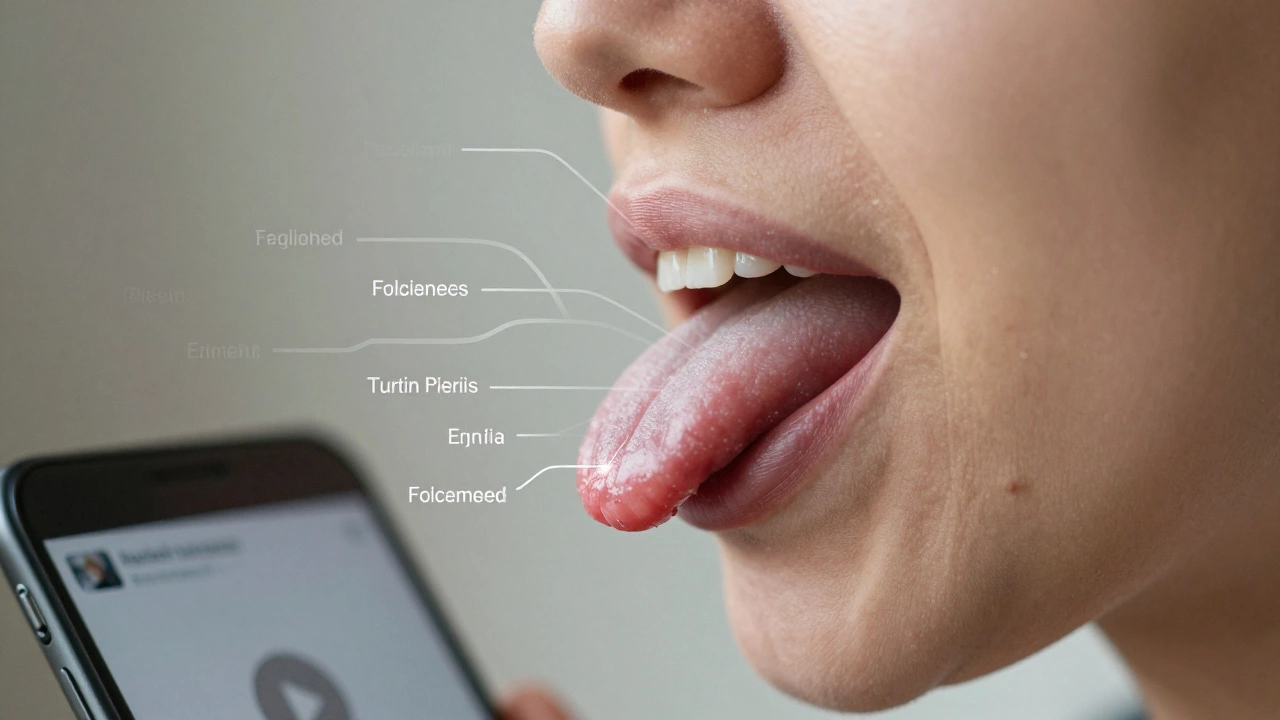
Pronunciation with Emma dives deep into phonetics. She doesn’t just tell you to say "th" correctly; she shows you close-ups of her mouth and explains the airflow. This visual approach is crucial for learners whose native languages lack certain sounds found in English. Her videos on connected speech-how words blend together in fast conversation-are game-changers for improving listening comprehension and speaking rhythm.
For those aiming for an American accent, Rachel’s English remains the gold standard. Rachel uses slow-motion video analysis to demonstrate tongue placement and jaw movement. Her detailed breakdowns of vowel sounds and consonant clusters help eliminate the "foreign accent" barrier. While her content is extensive, it can be dense. Start with her "American English Sounds" playlist for a structured foundation.
Business English and Professional Communication
If your goal is career advancement, general fluency isn’t enough. You need to navigate meetings, write professional emails, and negotiate deals. Business English requires a different register-more formal, yet still concise.
BizEnBiz focuses exclusively on business scenarios. They simulate job interviews, client calls, and team discussions. What sets them apart is their role-play format. You see two people interacting, then the host pauses to explain why certain phrases were chosen. For example, instead of saying "I disagree," a professional might say "I see your point, but..." These subtle shifts make a huge difference in workplace dynamics.
Similarly, English with Brian offers insights into corporate culture alongside language. He covers topics like networking, small talk, and giving presentations. His advice on tone and politeness strategies helps learners avoid accidental rudeness, which is often a bigger issue than grammatical errors in professional settings.
Interactive and Immersive Learning Styles
Some learners thrive on immersion rather than instruction. These channels create environments where you absorb English naturally through context and storytelling.
Vlogbrothers (specifically John Green’s channel) might seem unrelated, but it’s a fantastic resource for advanced learners. The rapid-fire dialogue, cultural references, and emotional range provide rich material for shadowing practice. Try transcribing short segments to identify linking words and filler phrases like "you know" or "I mean."
For beginners who find native speed overwhelming, Educational Video Network (EVN) produces simplified news reports. The hosts speak slowly and clearly, avoiding complex jargon. This bridges the gap between textbook English and real-world media consumption.
Comparison of Top Channels
| Channel Name | Primary Focus | Accent Type | Best For | Content Style |
|---|---|---|---|---|
| English with Lucy | Vocabulary & Politeness | British (RP) | Intermediate/Advanced | High-production tutorials |
| MmmEnglish | Daily Conversation | Australian/International | All Levels | Encouraging, interactive |
| Rachel’s English | Pronunciation Mechanics | American | Beginner to Advanced | Technical, detailed analysis |
| BBC Learning English | News & Idioms | British | Intermediate | Short, varied clips |
| BizEnBiz | Professional Skills | British/American Mix | Professionals | Role-play simulations |
How to Use These Channels Effectively
Finding the right channel is only half the battle. How you engage with the content determines your progress. Here is a proven strategy to maximize your learning:
- The Shadowing Technique: Play a short clip (10-15 seconds). Listen once. Then, play it again and speak along simultaneously, mimicking the speaker’s speed, pitch, and emotion. Don’t worry about meaning initially; focus on sound.
- Record Yourself: Use your phone’s voice memo app. Read a script from a video, then record yourself saying it. Compare your recording to the original. Notice differences in stress and intonation.
- Create a Vocabulary Journal: When you hear a new phrase, write it down with an example sentence. Review these notes weekly. Contextual memory is stronger than rote memorization.
- Set Micro-Goals: Instead of "get fluent," aim for "master five phrasal verbs this week" or "perfect my 'th' sound." Small wins build momentum.
Avoid the trap of passive binge-watching. It feels productive, but without active output, your brain treats the input as background noise. Force yourself to speak every time you watch a lesson.
Common Pitfalls to Avoid
Many learners waste time on content that doesn’t align with their goals. Here are some red flags:
- Outdated Slang: Avoid channels that haven’t updated their content in years. Language evolves rapidly. Terms like "groovy" or "radical" are now relics, not modern usage.
- Overly Academic Tone: Unless you are preparing for a literature exam, steer clear of channels that focus solely on Shakespearean English or archaic grammar rules. Prioritize communicative competence.
- Lack of Subtitles: While reading subtitles can help beginners, relying on them permanently hinders listening skills. Gradually turn them off as you improve.
Also, beware of "quick fix" promises. No channel can make you fluent in seven days. Consistency beats intensity. Watching ten minutes daily is far more effective than a three-hour marathon once a month.
Next Steps for Your Learning Journey
Start by auditing your current level. If you struggle with basic greetings, begin with MmmEnglish or BBC Learning English. If you can converse but want to sound more polished, switch to English with Lucy or BizEnBiz. For pronunciation tweaks, dedicate time to Rachel’s English or Pronunciation with Emma.
Remember, the best channel is the one you enjoy enough to return to regularly. Experiment with different styles until you find a match. Join online communities or Discord servers related to these channels to practice with peers. Speaking is a social skill; isolation slows progress. Engage, interact, and don’t fear mistakes-they are proof that you are trying.
Is free YouTube content as effective as paid courses?
Yes, for many learners. Top YouTube channels offer high-quality instruction comparable to paid platforms. The main advantage of paid courses is structure and personalized feedback. However, if you are self-disciplined and use active learning techniques like shadowing, free resources can yield excellent results without the financial burden.
Which accent should I learn: British or American?
Choose based on your personal preference and target audience. Both accents are widely understood globally. American English dominates media and business, while British English is common in academia and international organizations. Mixing accents is acceptable as long as you remain consistent within conversations. Clarity matters more than purity.
How often should I watch English learning videos?
Aim for daily exposure, even if just for 15 minutes. Consistency builds neural pathways faster than sporadic intense sessions. Integrate viewing into your routine, such as during breakfast or commute. Pair passive listening with active speaking exercises to reinforce retention.
Can I improve my speaking without a partner?
Absolutely. Techniques like shadowing, recording yourself, and talking to pets or mirrors are highly effective. You can also use AI language exchange apps that simulate conversations. The key is producing output, not just consuming input. Self-talk reduces anxiety and builds muscle memory for speech patterns.
What if I get stuck on difficult pronunciation?
Break the sound down into smaller components. Use phonetic charts available online. Watch slow-motion videos of mouth movements. Practice isolated syllables before combining them into words. If a specific sound persists, consider consulting a speech therapist or specialized tutor for targeted feedback.