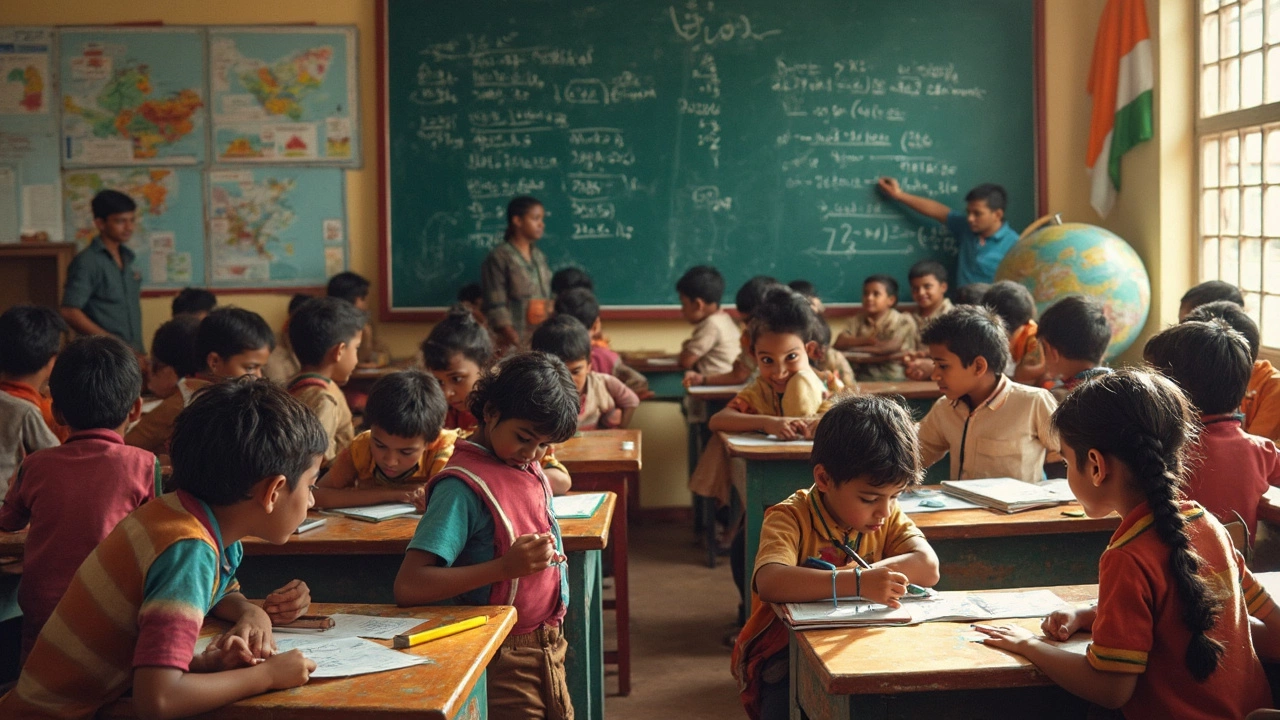
CBSE Syllabus: What It Covers and How It Shapes Indian Education
When you hear CBSE syllabus, the standardized curriculum set by the Central Board of Secondary Education for schools across India. Also known as the Central Board of Secondary Education curriculum, it guides what students learn from Class 1 all the way to Class 12, and it’s the foundation for major exams like JEE and NEET. Unlike state boards that vary by region, the CBSE syllabus is uniform across the country—used by over 20,000 schools, including Kendriya Vidyalayas and private institutions. This consistency makes it the most popular board in India and one of the most recognized worldwide.
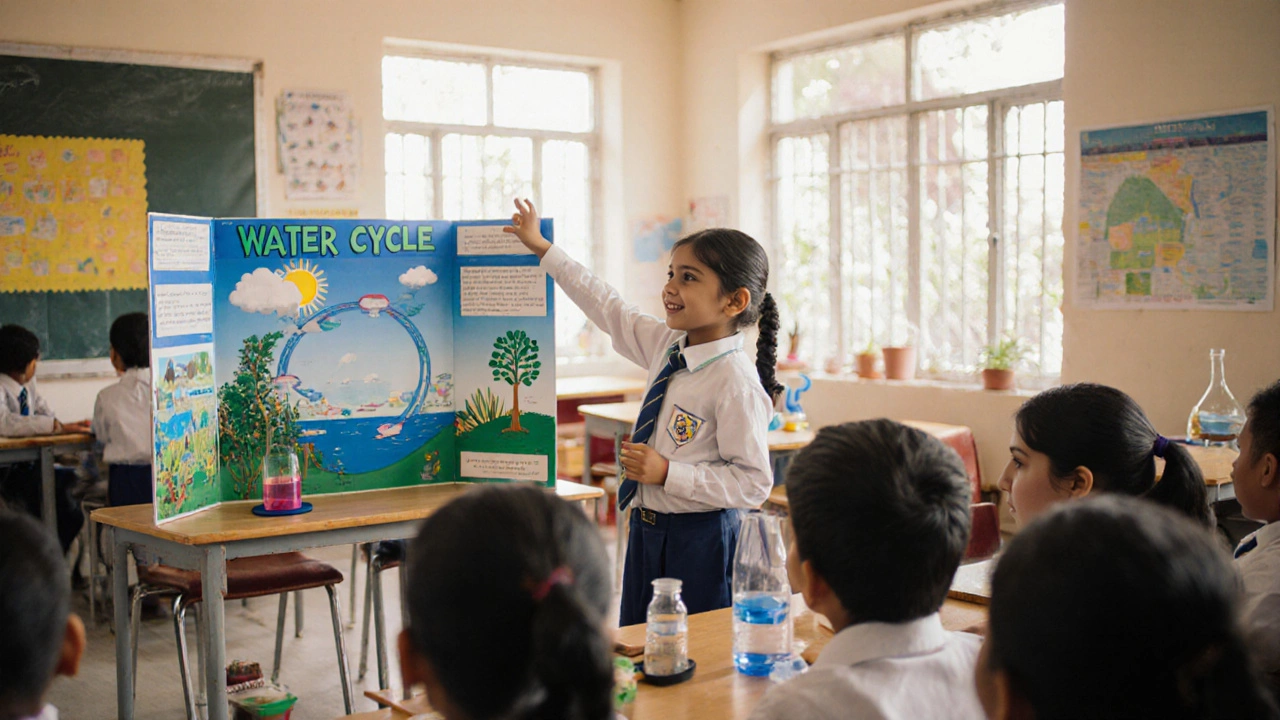
The CBSE curriculum, the structured learning framework that includes subjects, topics, and assessment methods is designed to balance theory with practical application. In science, students don’t just memorize formulas—they do lab work. In math, they solve real-world problems. The syllabus gets more focused as students move up: Class 10 ends with a board exam, and Class 12 prepares them directly for competitive entrance tests. That’s why so many students aiming for IIT JEE or NEET start with CBSE—it aligns closely with the weightage and style of those exams. The board updates the syllabus every few years to match modern needs, like adding coding in Class 6 or reducing content load after the pandemic.
What sets CBSE apart isn’t just what’s taught, but how it’s tested. The exam pattern leans toward conceptual understanding over rote learning. Questions often come from NCERT textbooks, which are mandatory for CBSE schools. That’s why students and parents keep asking: Is NCERT enough for JEE? The answer? It’s a strong start, but you need more depth. Still, if you master the CBSE syllabus, you’re already halfway there. It’s also the most common syllabus for international students in India, making it a bridge between local and global education standards.
You’ll find posts here that dig into how the CBSE syllabus connects to real exam prep—like how JEE Main and Advanced questions mirror CBSE Class 12 physics or chemistry topics. Others compare it with ICSE or state boards, showing why CBSE dominates in competitive exam success rates. There’s even a look at how global education boards stack up, and why CBSE leads in popularity outside India. Whether you’re a student trying to plan your next six months or a parent wondering what your child is really learning, this collection gives you the facts—no fluff, no hype, just what works.
CBSE schools in India follow a standardized national curriculum set by the Central Board of Secondary Education. They're popular for exam preparation, mobility across states, and alignment with competitive exams like JEE and NEET.
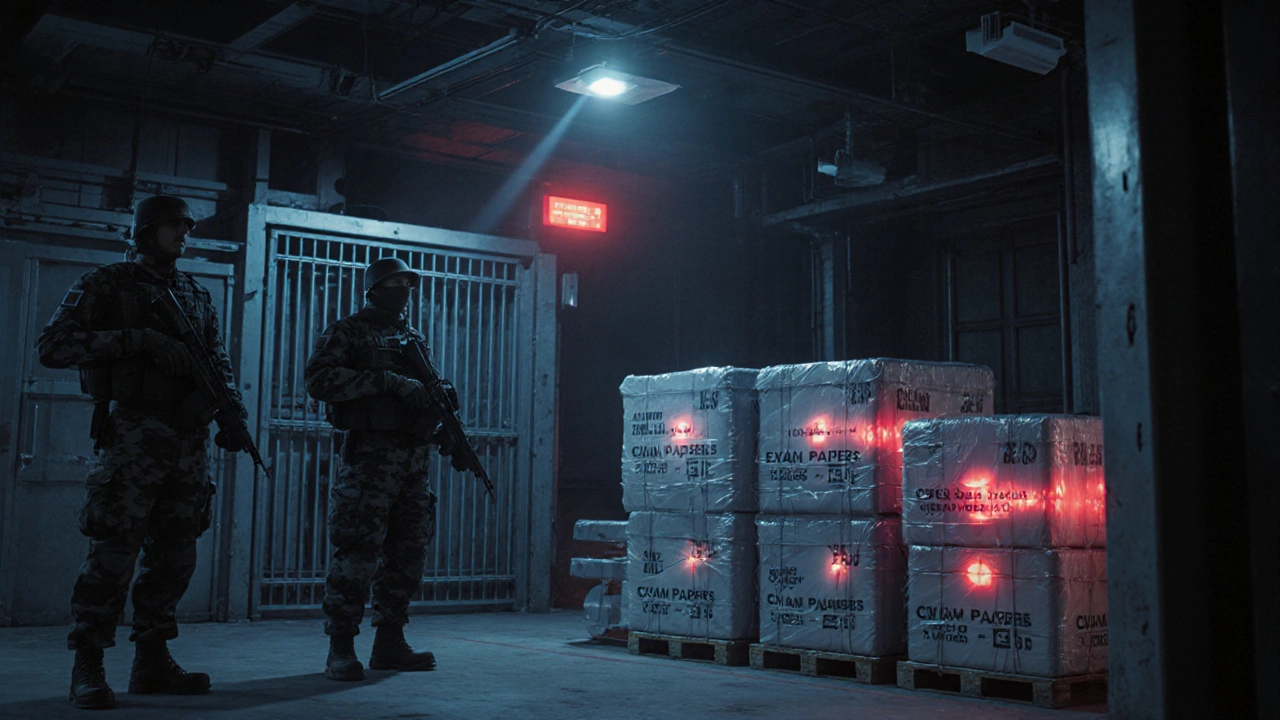
CBSE exam papers aren't identical across India, but they're designed to be equally fair. Learn how the board ensures uniformity in syllabus, difficulty, and grading - no matter where you take the test.
Choosing the right syllabus for kids isn't about popularity-it's about matching the curriculum to your child's learning style. CBSE, ICSE, and state boards each offer different strengths in structure, language, and depth. Find the one that helps your child think, not just memorize.
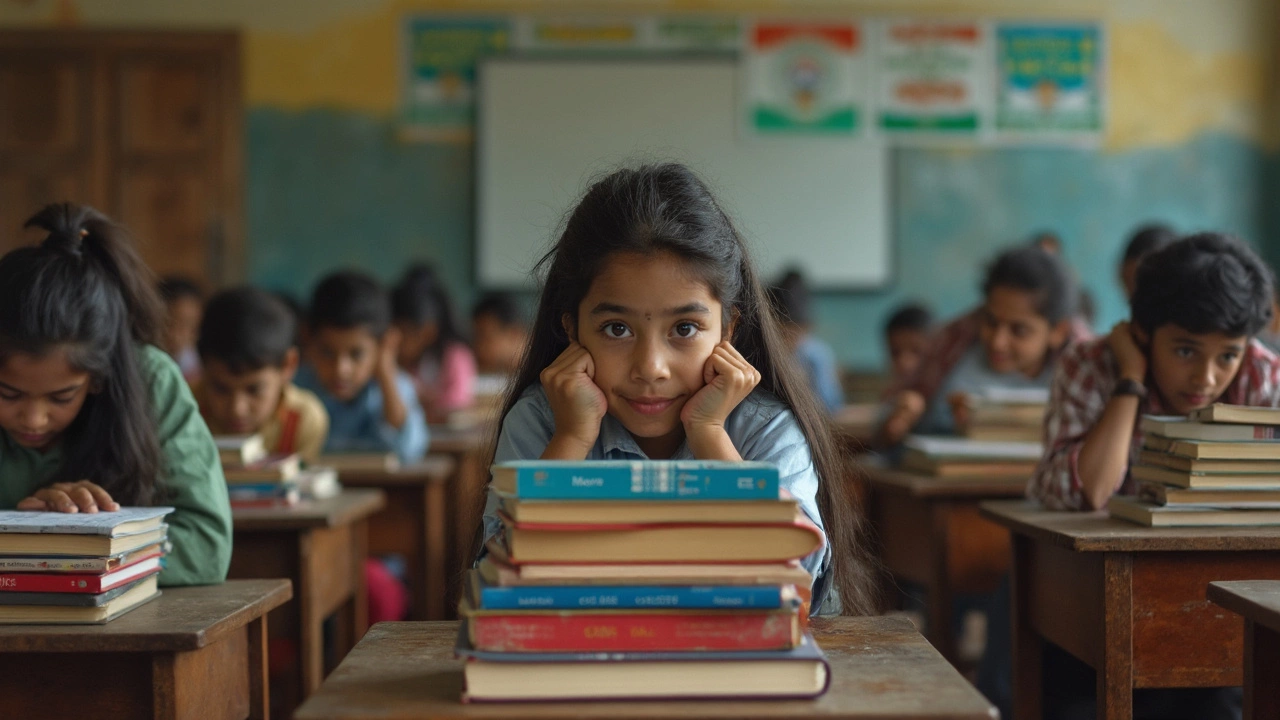
Wondering which school board has the toughest reputation? This article digs into claims about the hardest board in the world, especially from the CBSE perspective. It lays out the facts, compares study pressure, and shares tips for students dealing with intense exam stress. If you're stressed about choosing or surviving the right board, this read will give you honest answers and practical advice. Find out what makes one board harder than another and how to handle the pressure smartly.
Comparing exams in the UK and the USA is like trying to decide between apples and oranges—they’re quite different in style and approach. The UK’s system leans heavily on standardized exams, while the USA tends to mix tests with coursework. Both countries have their unique ways of stressing out students, but each with its own set of challenges. Dive into the differences to see where these exams clash and what it means for those following the CBSE syllabus.
In India's education system, choosing a degree can be daunting. This article delves into which degrees are considered the toughest, focusing on courses under the CBSE syllabus. We explore the challenges students face, backed by interesting facts and practical tips. Understanding this can help students make informed decisions about their academic futures.
When it comes to rigorous educational environments, several countries have made a name for themselves. While India's CBSE curriculum is structured to maintain high standards and broad coverage, students worldwide also face significant challenges. From South Korea's high pressure in competitive exams to Finland's focus on equity and less standardized testing, each country approaches education uniquely. Understanding these systems can offer valuable insights into what makes an education system 'tough.' The varying methodologies highlight cultural differences, societal expectations, and future workforce requirements.