CBSE Uniformity: Why Standardization Matters in Indian Schools
When we talk about CBSE uniformity, the consistent application of the Central Board of Secondary Education’s curriculum, assessment methods, and academic standards across all affiliated schools in India. It’s not just about textbooks—it’s about giving every student, whether in a village in Bihar or a metro in Delhi, the same shot at competitive exams like JEE and NEET. This isn’t accidental. It’s designed to remove regional bias, level the playing field, and make student mobility easier when families move states.
That uniformity extends to the CBSE syllabus, a nationally standardized curriculum focused on conceptual clarity, exam readiness, and alignment with engineering and medical entrance tests. Unlike state boards that vary wildly in structure or ICSE that leans toward literature and depth, CBSE keeps things streamlined: fewer subjects, clearer patterns, and predictable exam formats. That’s why over 20,000 schools—from tiny towns to elite city campuses—choose it. And it’s why students who switch schools mid-year don’t fall behind. The Indian education system, a complex mix of state, national, and international boards, leans on CBSE as its most reliable anchor for national-level testing.
Parents don’t pick CBSE because it’s trendy—they pick it because it works. If your kid wants to crack IIT JEE, the syllabus they learn in Class 9 in Punjab matches what’s taught in Class 9 in Tamil Nadu. The same textbooks, the same weightage, the same marking scheme. That predictability cuts through the noise. No guessing what’s important. No last-minute surprises. Just clear, consistent preparation. And that’s why CBSE uniformity isn’t just policy—it’s strategy. It turns chaos into clarity.
What you’ll find below are real guides, stories, and comparisons that show how this uniformity shapes everything—from how kids study for NEET to why apps like Physics Wallah became so popular. You’ll see how CBSE’s structure makes online learning easier, why digital platforms thrive under its rules, and how students beat the odds with six-month prep plans. This isn’t theory. It’s what’s happening in classrooms across India, every single day.
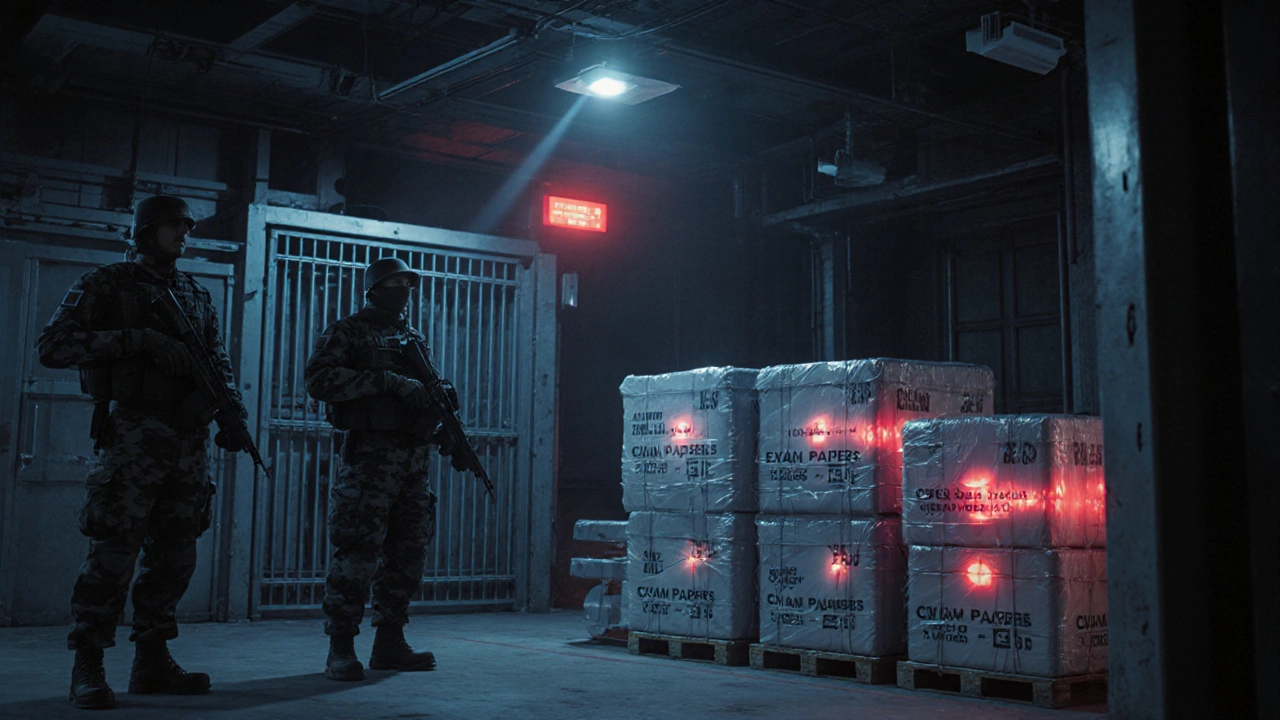
CBSE exam papers aren't identical across India, but they're designed to be equally fair. Learn how the board ensures uniformity in syllabus, difficulty, and grading - no matter where you take the test.