CBSE vs. American School: Which Curriculum Is Tougher and Why?
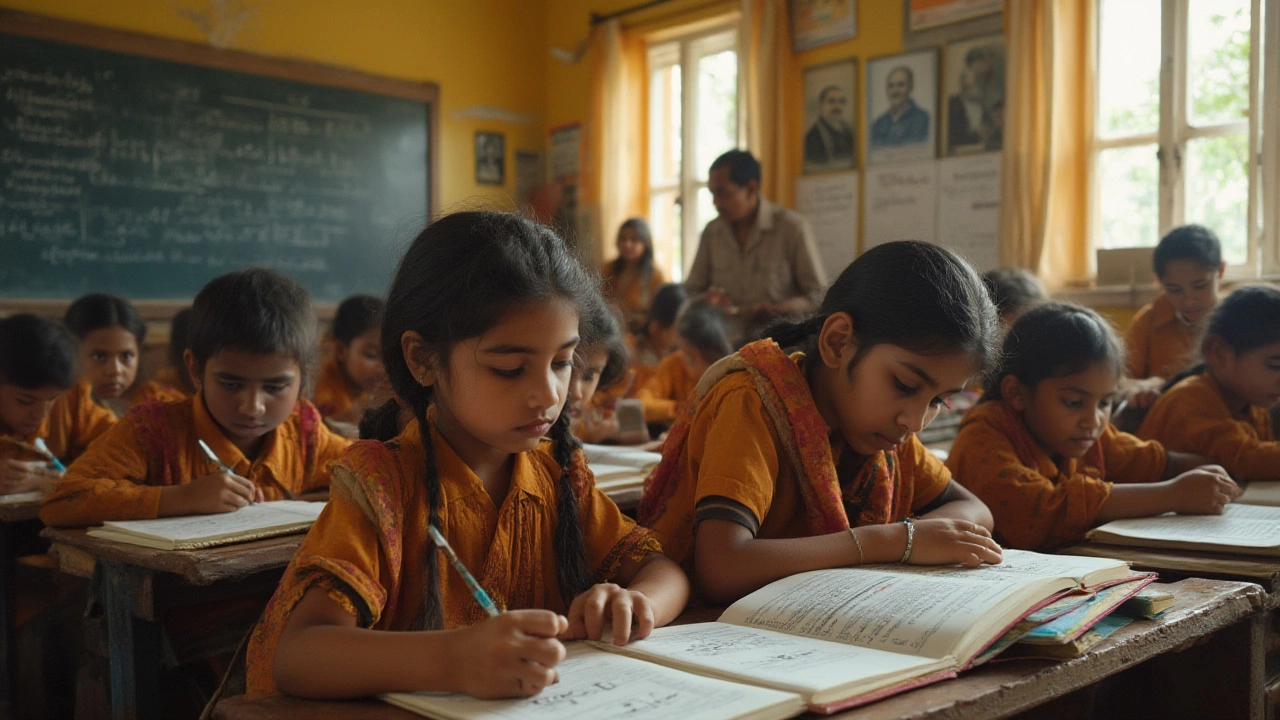
Wondering if CBSE is harder than American schools? Dive into the real-life workload, grading, daily grind, and success rates in each system.
Continue reading...When you're choosing a school for your child, you're not just picking a building—you're choosing a curriculum comparison, the structured plan of what students learn, how they’re assessed, and what skills they develop over time. Also known as education syllabus, it shapes how your child thinks, solves problems, and prepares for exams like JEE, NEET, or even overseas universities. Not all curriculums are built the same. Some push memorization. Others focus on critical thinking. Some prepare kids for national exams. Others open doors to global colleges.
Take CBSE, the Central Board of Secondary Education, India’s most widely followed board, known for its clear structure and alignment with competitive exams like JEE and NEET. It’s the go-to for families planning engineering or medical careers because its syllabus matches the entrance test patterns. Then there’s ICSE, the Indian Certificate of Secondary Education, which offers deeper coverage in English, science, and humanities, often preferred by parents wanting broader academic exposure. Meanwhile, state boards, like Maharashtra’s MSBSHSE or Tamil Nadu’s TN SSLC, focus on local language, culture, and regional needs, making them easier for students who plan to stay in-state for college. Globally, the IB curriculum, the International Baccalaureate, is known for its project-based learning and emphasis on critical thinking over rote memorization, while the UK’s GCSE and A-Level system rewards specialization early on.
What does this mean for you? If your child is aiming for IIT or AIIMS, CBSE gives them a direct path. If they thrive on writing, discussion, and exploring ideas beyond textbooks, ICSE might be better. If you’re thinking abroad, IB or Cambridge systems are more recognized overseas. But here’s the thing: no curriculum is perfect for everyone. The best one matches your child’s pace, goals, and how they learn—not just what’s popular. Below, you’ll find real comparisons, parent experiences, and data-backed insights on how these systems actually affect student performance, stress levels, and future opportunities.
Wondering if CBSE is harder than American schools? Dive into the real-life workload, grading, daily grind, and success rates in each system.
Continue reading...