Learning Management System: What It Is and How It Powers Online Education in India
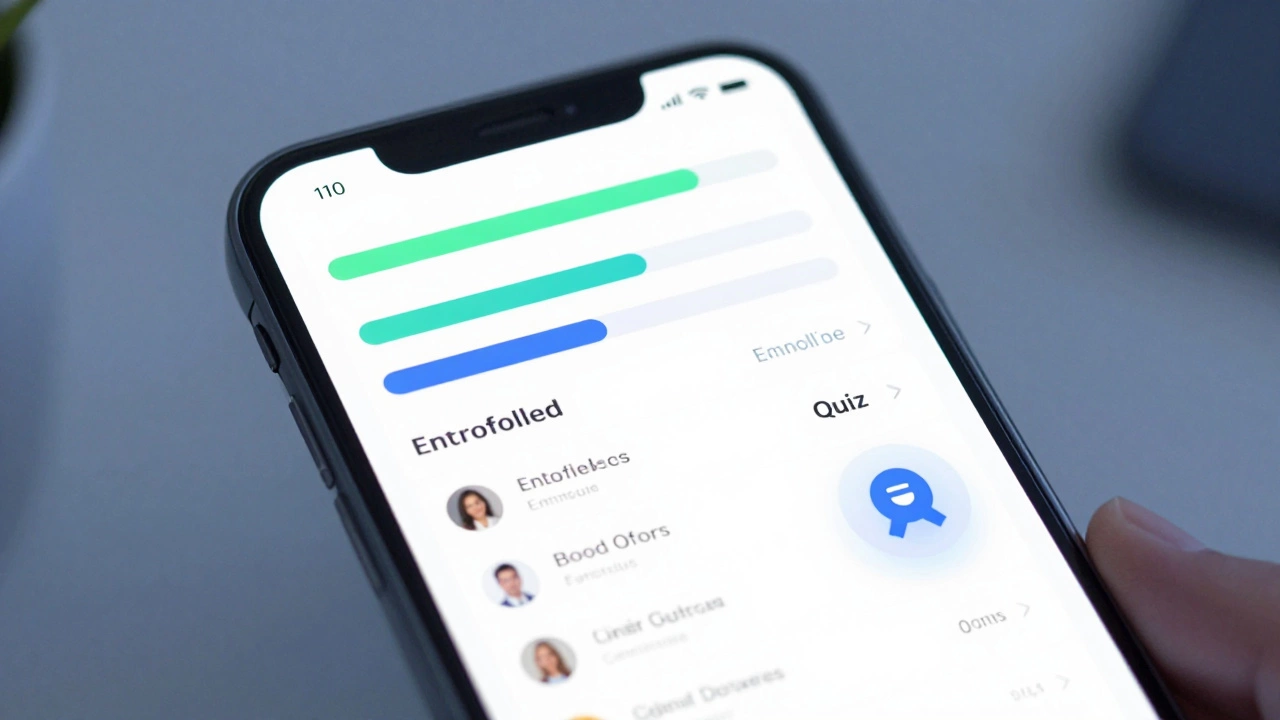
When you sign up for an online course, track your progress, or take a quiz on your phone, you’re probably using a learning management system, a digital platform that delivers, tracks, and manages educational content. Also known as LMS, it’s the invisible engine behind most online classes today — whether you’re studying for JEE, learning English, or taking a coding bootcamp. It’s not just a website. It’s a full classroom in your pocket: assignments, videos, tests, progress reports, and even discussion boards all live inside it.
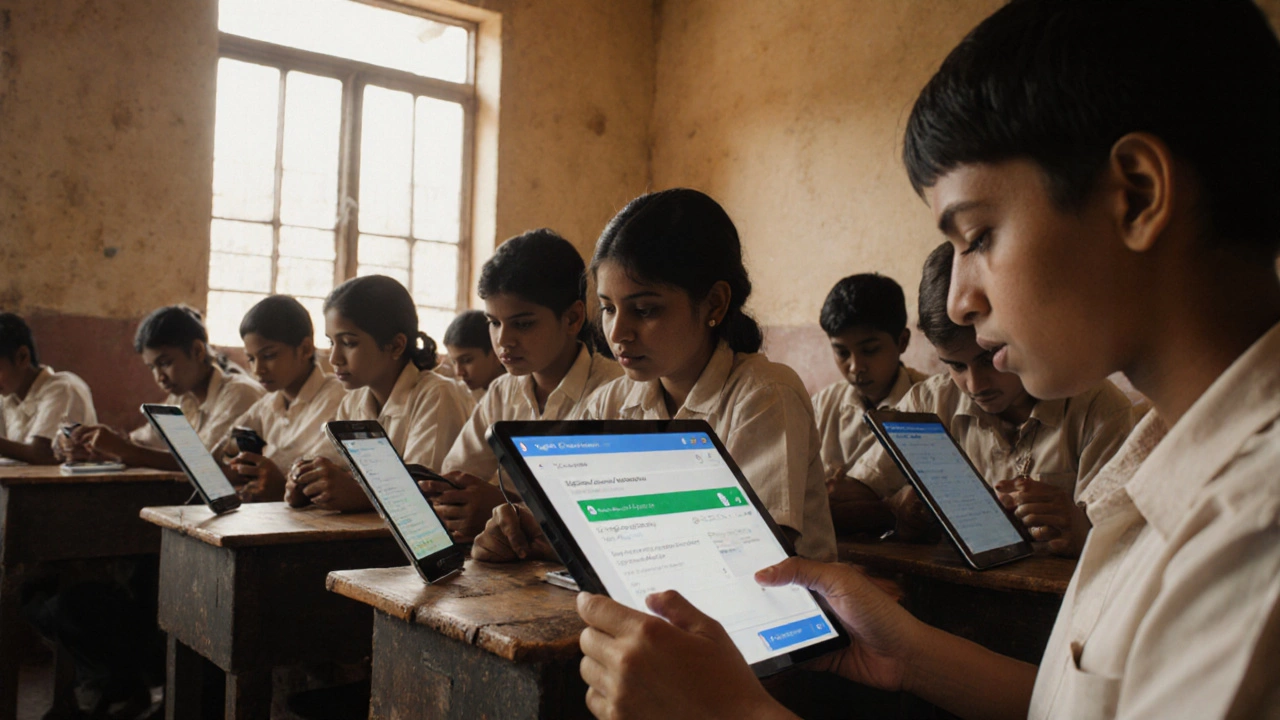
Think of it like a digital school building. The eLearning, the act of learning through digital tools happens inside this building. The digital learning platforms, specific tools like Coursera, Khan Academy, or Google Classroom that run on an LMS are the rooms inside. Some are free, some cost money, but they all serve the same purpose: to make learning easier, trackable, and available anytime. In India, where students move between cities for coaching, or teachers struggle to reach remote areas, an LMS fills the gap. It lets a student in Bihar and one in Bangalore take the same class, get the same notes, and submit the same assignment — all without leaving home.
What makes an LMS work isn’t fancy tech. It’s simple: structure. It organizes what you need to learn, when to learn it, and how to know if you’ve understood it. That’s why platforms like Google Classroom are so popular in CBSE schools — they sync with the syllabus, send reminders, and let teachers grade fast. Even coaching centers like Physics Wallah use LMS features to track how many students finish each video or quiz. And if you’re preparing for UPSC or NEET, your app isn’t just giving you questions — it’s logging your weak spots, suggesting more practice, and pushing you to stay on schedule. That’s the power of a good LMS: it doesn’t just deliver content. It adapts to you.
What you’ll find below are real, practical guides on how these systems actually work — not theory, but what you can use today. From figuring out if Coursera’s monthly plan is worth it, to understanding how Google Classroom fits into Indian classrooms, to choosing the right app for competitive exams — every post here cuts through the noise. You won’t find fluff. Just clear answers on how to use digital learning tools to get real results.
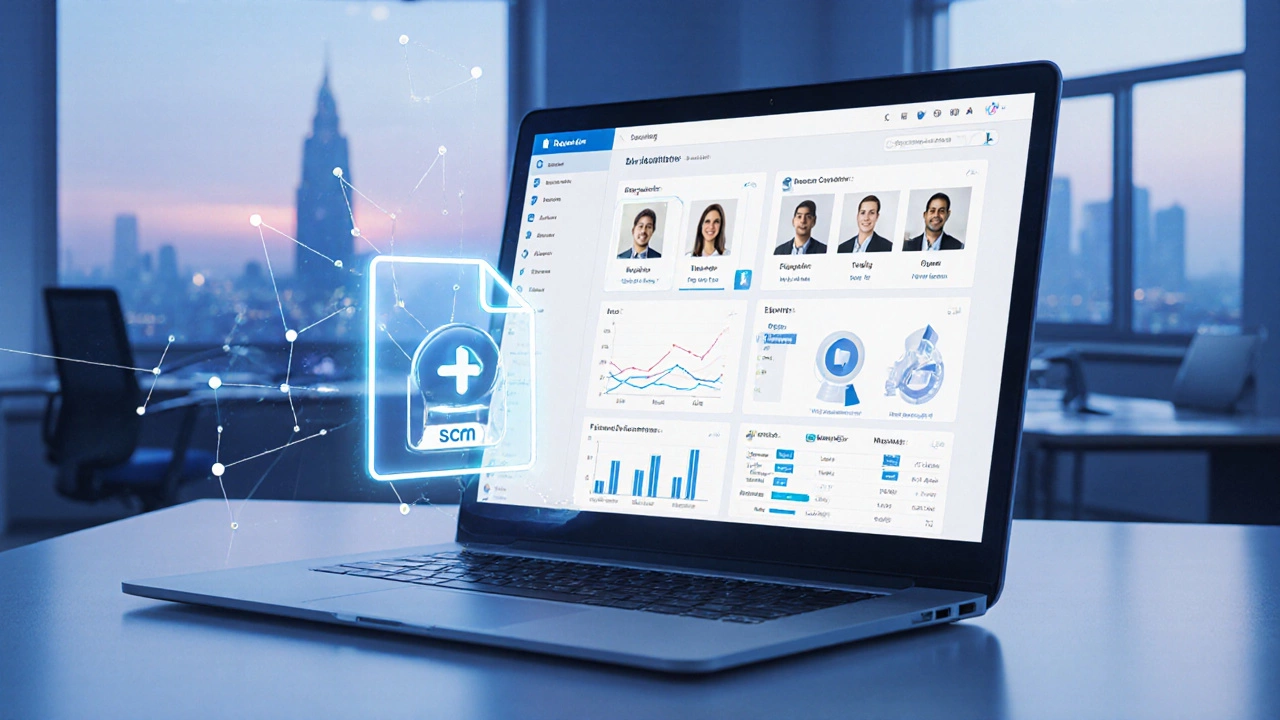
An eLearning system is a digital platform that delivers, manages, and tracks online education. It’s not just videos-it includes quizzes, progress tracking, certificates, and feedback. Used by schools, companies, and learners worldwide.
E-learning platforms are the most common type of internet platform for education, used by over 100 million people daily. They power schools, universities, and workplaces with tools for learning, tracking, and feedback.