Current Names for Vocational Education: What It’s Called Today
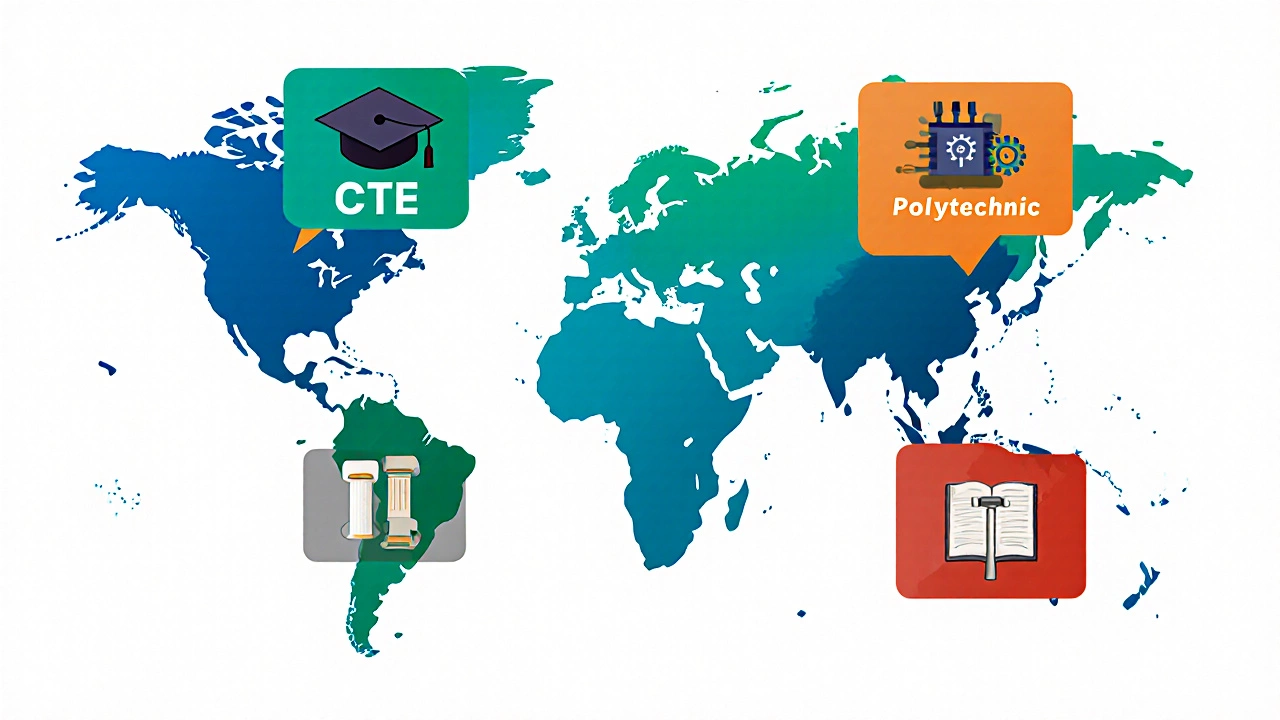
Explore the modern names for vocational education-CTE, TAFE, polytechnic, apprenticeship, and skills training-and learn how they differ worldwide.
Continue reading...When you hear polytechnic, a three-year diploma program focused on hands-on technical training in fields like engineering, IT, and applied sciences. Also known as diploma engineering, it’s the go-to choice for students who want to start working fast, skip the pressure of competitive exams like JEE, and still build a solid career in tech. Unlike traditional degrees, polytechnic doesn’t ask you to memorize theories for hours. It asks you to build, fix, code, test, and do—right from day one.
Polytechnic programs are built around vocational education, training that directly prepares students for specific trades or jobs. Think electrical wiring, mechanical maintenance, computer networking, civil drafting, or even robotics labs. These aren’t classroom lectures—they’re workshops where you learn by doing. And because India’s manufacturing, construction, and IT sectors are growing fast, employers are actively hiring polytechnic graduates. You don’t need to wait four years for a degree to get your first paycheck.
Many students use polytechnic as a stepping stone. After completing their diploma, they can either jump into jobs as technicians, supervisors, or lab assistants—or they can enter engineering college through lateral entry, skipping the first year of B.Tech. It’s a smart shortcut for those who want to earn while learning. And with technical education, structured training that blends theory with real-world application in skilled trades becoming a national priority, government funding and private partnerships are making polytechnic institutes more accessible than ever.
What you study depends on your stream—mechanical, civil, electrical, electronics, computer science, or even fashion technology. Each has its own labs, tools, and industry ties. Some institutes even partner with companies to offer internships during the course. That means by the time you graduate, you’re not just qualified—you’re already familiar with how things work on the job.
There’s a myth that polytechnic is for students who couldn’t get into engineering. That’s not true. It’s for students who know what they want: a clear path, real skills, and early employment. It’s for those who learn better by touching wires than by reading textbooks. And with over 8,000 polytechnic colleges across India, there’s one near you.
Below, you’ll find real stories and practical guides on how to prepare for polytechnic entrance exams, which branches offer the best job prospects, how to choose the right institute, and what to expect after graduation. Whether you’re a student, a parent, or just exploring options, these posts cut through the noise and give you what actually works.
Explore the modern names for vocational education-CTE, TAFE, polytechnic, apprenticeship, and skills training-and learn how they differ worldwide.
Continue reading...