Tesla Hiring Eligibility Calculator
Assess Your Tesla Hiring Eligibility
Based on article research about Tesla's hiring practices for formerly incarcerated individuals.
When you’ve served your time, the biggest hurdle isn’t the past-it’s the door that won’t open. Tesla, like many big tech companies, doesn’t publicly say, ‘We don’t hire felons.’ But that doesn’t mean it’s easy. If you’re trying to rebuild your life after incarceration, understanding how Tesla actually evaluates applicants is critical. This isn’t about hope. It’s about strategy.
What Tesla Actually Says About Background Checks
Tesla’s official job postings never mention criminal history as a hard disqualifier. That’s not an accident. Most large U.S. employers avoid explicit bans because of state and federal laws like the EEOC’s 2012 guidance, which says blanket exclusions based on criminal records can have a discriminatory impact, especially on Black and Latino applicants. Tesla follows this trend. They don’t say ‘no’-they say ‘it depends.’
What they do say is this: all candidates must pass a background check. That check looks at felony convictions within the last seven years. Misdemeanors older than seven years usually don’t show up. But here’s what matters more than the policy: how you explain your record during the hiring process.
It’s Not About the Crime-It’s About the Context
Not all felonies are treated the same. A conviction for nonviolent theft from 12 years ago? That’s different from a recent conviction for fraud or violent crime. Tesla’s hiring managers, especially in technical roles, care more about what you’ve done since your release than what you did before.
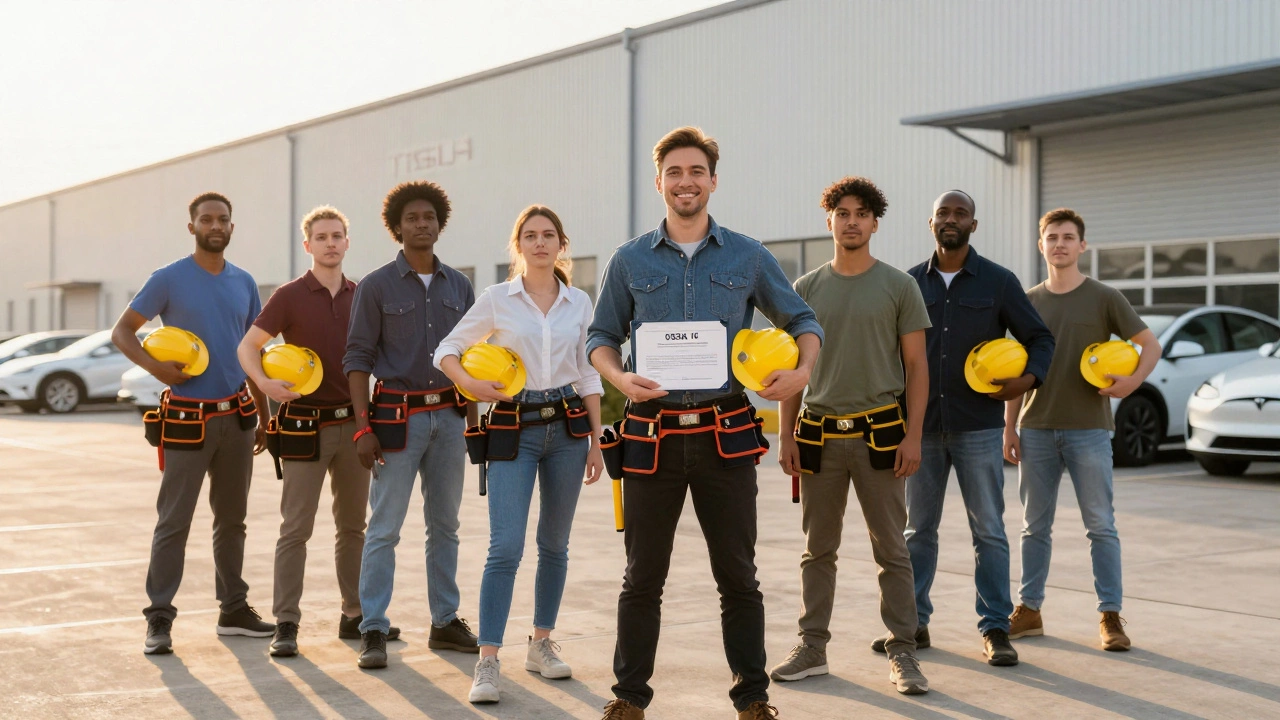
Real example: A former inmate in Ohio was hired as a Tesla assembly line technician after serving seven years for a nonviolent drug offense. He didn’t hide his record. He showed up to interviews with a portfolio of certifications he earned in prison-welding, electrical safety, OSHA 10-and references from prison program coordinators. He got the job. Not because Tesla has a ‘felon-friendly’ program-but because he proved he was reliable, skilled, and committed.
What Tesla looks for:
- Time passed since the conviction (seven+ years helps)
- Rehabilitation efforts (certifications, education, volunteer work)
- Relevance of the crime to the job (no fraud conviction for finance roles)
- Consistency in employment history after release
- Strong references from people outside your past
Which Roles Are More Likely to Open Doors?
Not every Tesla job is equally accessible. Here’s where people with records have had the most success:
- Factory and production roles (Gigafactory workers, assemblers, technicians): These are entry-level, physically demanding jobs with high turnover. Tesla hires aggressively here. Background checks are done, but they prioritize reliability over perfection.
- Logistics and warehouse staff: Roles in inventory, shipping, and receiving. These are often outsourced to third-party agencies, which sometimes have looser screening standards than Tesla’s direct hires.
- IT support and help desk: If you’ve built skills in coding, networking, or cybersecurity while incarcerated, these roles are possible. Tesla values technical ability over pedigree.
- Field service technicians: Especially for solar and energy storage installations. Hands-on skills matter more than a clean record.
What’s harder? Sales, finance, security, or any role requiring access to sensitive data or customer trust. Those positions almost always require a clean record. Tesla’s legal and compliance teams are strict in those areas.
How to Apply-Without Getting Automatically Rejected
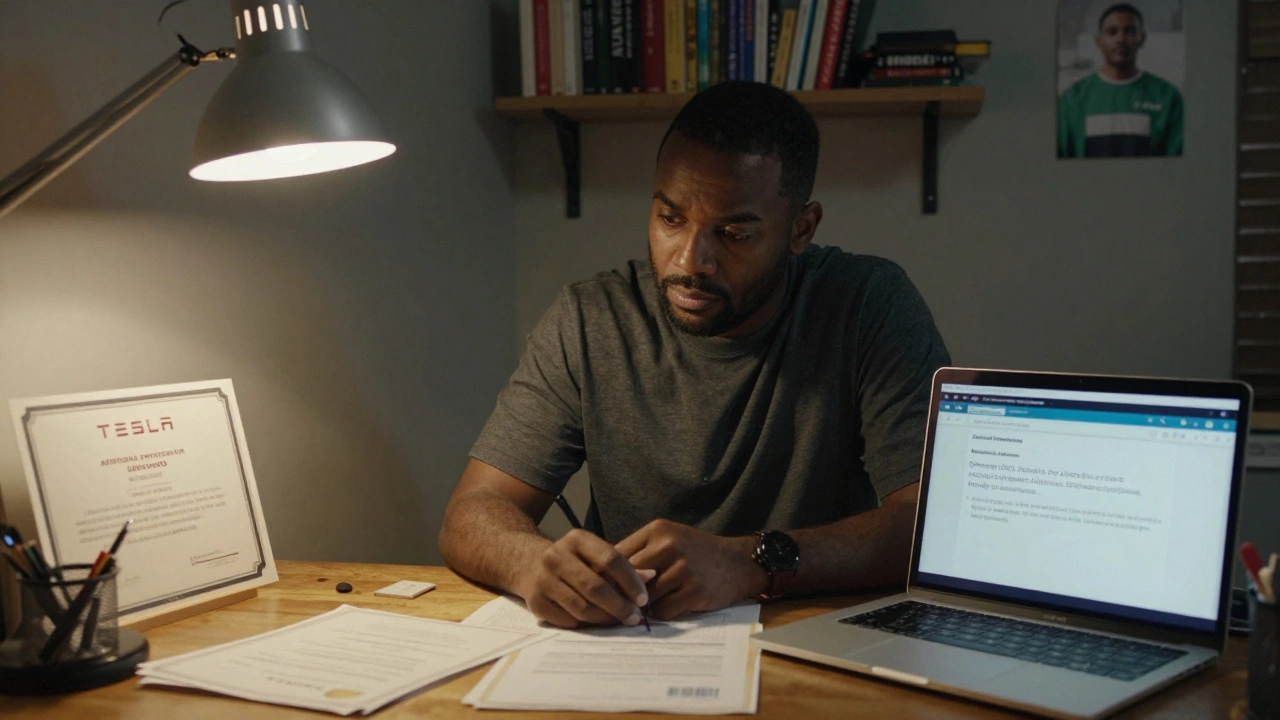
Applying to Tesla with a felony record isn’t about luck. It’s about control. Here’s how to do it right:
- Don’t lie on the application. Tesla’s background check is thorough. If you say ‘no’ to ‘have you ever been convicted?’ and they find it, you’re out-no second chances.
- Use the ‘additional information’ box. Tesla’s online application lets you explain your record. Don’t make excuses. Say: ‘I was convicted of X in 2015. I’ve completed my sentence, earned Y certifications, and worked Z hours at [company]. I’m ready to contribute.’
- Apply through a workforce reentry program. Organizations like Defy Ventures, The Last Mile, and Prison Entrepreneurship Program partner with Tesla and other tech firms. They train people with records and refer them directly to hiring managers.
- Get a letter of recommendation. Even if it’s from a parole officer, a teacher from prison, or a supervisor from a transitional job-get it. It changes how your record is perceived.
- Apply for contract roles first. Some Tesla jobs are hired through staffing agencies like Kelly Services or Randstad. These agencies sometimes have more flexibility. If you prove yourself, Tesla may hire you directly later.
What Happens After the Background Check?
If Tesla finds your record, they don’t just say no. They do a personalized assessment. That means:
- They check the nature and severity of the offense
- They look at how long ago it happened
- They compare it to the job’s responsibilities
- They consider your rehabilitation
This isn’t a rubber-stamp system. One person with a 10-year-old assault conviction got rejected for a warehouse job because the role involved handling tools and working alone. Another person with a similar record got hired for a data entry job because they had five years of clean employment and a college degree. Context matters.
What If You’re Rejected?
Tesla is required by law to send you a pre-adverse action notice if they plan to reject you because of your record. That notice includes a copy of the background report. Read it. If there’s an error-like a conviction that’s not yours-you can dispute it. Many people don’t know this step exists.
If the report is correct, don’t give up. Ask for feedback. Say: ‘I understand you made this decision based on my record. Can you tell me what specifically caused the concern? I’d like to improve my chances for future roles.’ Some hiring managers will give you real advice.
And then? Apply again in 12-18 months. Many people get hired after reapplying with more certifications, more work experience, or a better explanation.
Alternatives If Tesla Doesn’t Work Out
Tesla isn’t the only option. Other companies with proven records of hiring people with criminal histories include:
- Amazon - Hires for warehouse, delivery, and IT roles
- Home Depot - Known for hiring reentry candidates
- Starbucks - Has a national initiative for second-chance hiring
- Microsoft - Offers apprenticeships to formerly incarcerated people
- Chipotle - Has hired thousands with records since 2017
These companies don’t always advertise it, but they have formal programs. Look for ‘second-chance hiring’ or ‘fair chance employment’ on their careers pages.
How to Build Your Case Before You Apply
Even if you’re not ready to apply yet, here’s what you can do now:
- Get your records sealed or expunged if possible-laws vary by state
- Take free online courses in coding, welding, or logistics (Coursera, edX, and Khan Academy have free options)
- Volunteer at a local job readiness center or community organization
- Build a simple LinkedIn profile-even if it’s just your name, location, and ‘Seeking entry-level opportunity in manufacturing or logistics’
- Practice telling your story out loud. Say it clearly, calmly, and without shame.
People with records who get hired at Tesla didn’t get lucky. They prepared. They showed up. They didn’t wait for permission-they built their own path.
Does Tesla hire felons for warehouse jobs?
Yes, Tesla has hired people with felony records for warehouse and assembly roles, especially if the conviction was nonviolent and occurred more than seven years ago. These positions are high-turnover and prioritize reliability over background perfection. Demonstrating recent work history or certifications significantly improves your chances.
How far back does Tesla’s background check go?
Tesla typically checks criminal records for the past seven years, following the Fair Credit Reporting Act (FCRA). Misdemeanors older than seven years usually don’t appear. Felonies beyond that timeframe may still be visible depending on state laws and the background check provider, but they’re less likely to impact hiring unless they’re recent or serious.
Can I get hired at Tesla if I have a violent felony?
It’s extremely unlikely. Tesla avoids hiring people with recent violent felonies, especially for any role involving interaction with others, tools, or safety-sensitive areas. Even if you’ve served your time, roles in production, logistics, or service are often off-limits. Focus on nonviolent offenses or roles outside Tesla’s core operations.
Do I need to disclose my record on the application?
Yes. Tesla’s application asks directly about criminal convictions. Lying can lead to immediate disqualification or termination-even after you’re hired. Use the ‘additional information’ section to explain your record honestly, briefly, and with evidence of rehabilitation.
Are there programs that help felons get hired at Tesla?
Yes. Organizations like Defy Ventures, The Last Mile, and Career Forward partner with Tesla and other tech companies to train and refer formerly incarcerated individuals. These programs provide resume help, interview coaching, and sometimes direct referrals to hiring managers-significantly increasing your chances.
Final Thought: It’s Not Impossible, But It’s Not Easy
Tesla doesn’t have a public policy saying ‘we hire felons.’ But they don’t have one saying ‘we never do’ either. That gap is where opportunity lives. People with records get hired-not because Tesla is generous, but because they’re smart, prepared, and persistent. If you’re willing to do the work, prove your change, and apply the right way, you can walk through that door. Just don’t wait for someone to hand you the key. Build it yourself.