
IIT Network Explorer (2026)
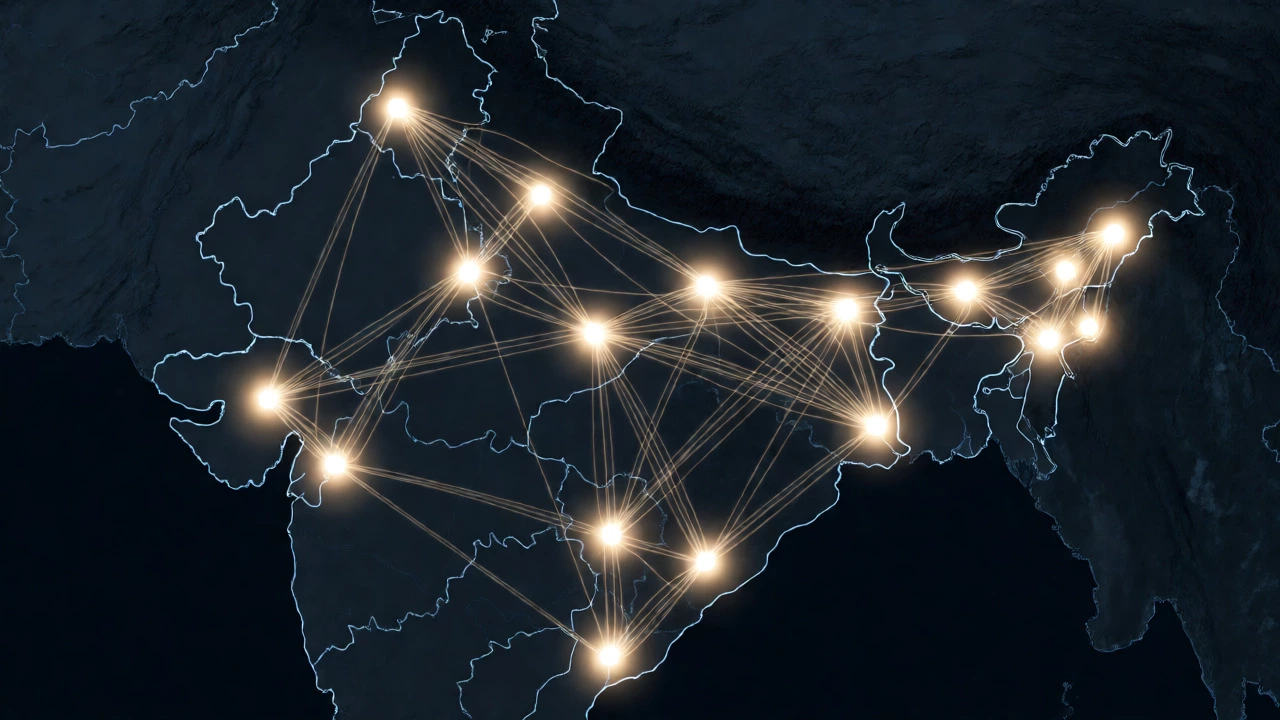
Explore the network of 23 IITs across India. Filter by category to understand the distinction between the original "Legacy" institutions and the newer additions established post-2008.
Select an Institute
Location:
Established:
Category:
Think you know the answer to how many IITs are there in India? If you still think it's seven, you're working with outdated data. The landscape has shifted dramatically over the last decade. As of 2026, the network has expanded well beyond the original seven institutions established between 1951 and 1973. Today, there are 23 Indian Institutes of Technology (IITs) operating across the country. This expansion isn't just a bureaucratic change; it directly impacts your strategy for JEE Advanced preparation, seat availability, and even which branch you might realistically secure.
Why does this matter? Because knowing the exact number helps you understand the competition ratio. With more institutes comes more seats, but also a broader geographic spread that changes cutoff trends. Let's break down exactly what these 23 campuses offer, how they differ from the legacy giants, and what this means for your engineering career path.
The Evolution: From Seven to Twenty-Three
To grasp where we stand today, you need to look at how the system grew. The first IIT Kharagpur opened its doors in 1951, setting the standard for technical education in post-independence India. For decades, the count remained static at seven. These were the "Old IITs": Kharagpur, Bombay, Madras, Kanpur, Delhi, Roorkee, and Guwahati. They held a monopoly on prestige and industry recruitment.
Then came the shift. Between 2008 and 2016, the government launched a massive expansion drive. New institutes sprang up in regions that previously lacked access to top-tier technical education. By 2026, we have a fully operational network of 23 institutes. This wasn't just about adding buildings; it was about decentralizing excellence. Cities like Hyderabad, Gandhinagar, Indore, Patna, Bhubaneswar, Mandi, Ropar, Jodhpur, Dharwad, Bhilai, Palakkad, Tirupati, Goa, Dhanbad, Varanasi, Jammu, Bilaspur, and Ropar now host these hubs of innovation.
Categorizing the Institutes: Old vs. New
Not all IITs are created equal, at least not yet. Recruiters and alumni networks still distinguish between the "Legacy" or "Old" IITs and the "New" IITs. This distinction affects placement packages, research funding, and campus culture.
The Old IITs (the original seven) boast decades of alumni influence. When a recruiter visits IIT Bombay, they aren't just hiring graduates; they're tapping into a network that includes CEOs of major tech firms. The brand value is instant.
In contrast, the New IITs (established after 2008) are catching up fast. Institutes like IIT Hyderabad and IIT Gandhinagar have carved out niches in specific fields like AI, robotics, and liberal arts-integrated engineering. While their overall brand recognition trails the old guard, their specialized programs often rival or exceed those of older institutes in specific domains.
| Feature | Legacy IITs (Original 7) | New IITs (Established 2008+) |
|---|---|---|
| Number of Institutes | 7 | 16 |
| Alumni Network | Vast, global, highly influential | Growing, strong in local industries |
| Research Funding | High, consistent government grants | Increasing, project-based focus |
| Placement Packages | Highest average CTC globally | Competitive, rising rapidly |
| Infrastructure | Mature, large campuses | Modern facilities, expanding quickly |

Geographic Spread and Accessibility
One of the biggest advantages of having 23 IITs is accessibility. Previously, if you lived in Northeast India or Central India, getting to an IIT meant moving across the subcontinent. Now, institutes like IIT Guwahati, IIT Bhubaneswar, and IIT Jodhpur provide high-quality education closer to home.
This geographic distribution also influences regional cutoff scores. A student from Bihar might find a slightly lower rank acceptable for IIT Patna compared to the same rank required for IIT Delhi. Understanding this dynamic is crucial when filling out your choice form during JoSAA counseling. You aren't just picking a college; you're balancing location preferences against academic merit.
Impact on JEE Advanced Strategy
So, how does the number 23 change your preparation? It changes the denominator. More seats mean more opportunities, but it doesn't necessarily make the exam easier. The total number of candidates appearing for JEE Advanced remains high, often exceeding 1.5 lakh eligible qualifiers. However, the increased capacity reduces the extreme pressure on the top 1,000 ranks.
For students ranked between 5,000 and 15,000, the new IITs open doors that were previously closed. In the early 2000s, this rank range might have landed you in a good NIT or IIIT. Today, you have a genuine shot at a decent branch in a newer IIT. This shifts the goalpost for "success." It's no longer just about getting into any IIT; it's about choosing the right IIT for your specialization.
Beyond the Count: Quality and Recognition
Is every IIT equally recognized by employers? Not yet. The market still values the brand equity of the older institutes. However, the gap is narrowing. Companies like Google, Microsoft, and Samsung have started recruiting directly from newer campuses, recognizing the rigorous curriculum and modern labs.
Furthermore, international collaborations have boosted the profile of several new institutes. Partnerships with universities in Europe and North America allow students at places like IIT Madras (which has extended campuses) and IIT Hyderabad to engage in global research projects. This exposure adds tangible value to your degree, regardless of whether the institute is 70 years old or 15.
Key Takeaways for Aspirants
- Target Broadly: Don't limit yourself to the top 7. Research the strengths of the 16 newer institutes.
- Check Specializations: Some new IITs excel in niche areas like Data Science or Biotechnology, offering better prospects than general branches in older IITs.
- Consider Location: Proximity to home can reduce living costs and stress, impacting your overall performance.
- Monitor Rankings: Keep an eye on NIRF rankings, as they reflect the improving quality of newer institutes.
Are all 23 IITs autonomous?
Yes, all 23 Indian Institutes of Technology operate as autonomous bodies under the Institutes of Technology Act. They set their own curricula, conduct exams, and award degrees independently, though they follow national standards for accreditation.
Do new IITs have the same faculty quality as old ones?
Faculty quality varies. Older IITs have more senior professors with extensive research portfolios. Newer IITs often hire younger, internationally trained faculty who bring fresh perspectives and cutting-edge research methods, particularly in emerging fields like AI and IoT.
Which is the newest IIT in India?
As of 2026, IIT Dharwad and IIT Bhilai are among the most recent additions to the permanent campus phase, having transitioned from temporary setups. However, the establishment dates vary, with some being formally inaugurated earlier but achieving full operational status later.
Does the number of IITs affect JEE Main scores?
Indirectly, yes. While JEE Main is the qualifying exam, the increased number of IIT seats can influence the perceived value of certain ranks. Students may aim higher knowing that mid-range ranks have viable IIT options, potentially pushing up the competitive intensity for top percentiles.
Can I get into an IIT without clearing JEE Advanced?
Generally, no. Admission to undergraduate programs at IITs requires clearing both JEE Main and JEE Advanced. Exceptions exist for foreign nationals or specific sponsored categories, but for the vast majority of Indian students, JEE Advanced is mandatory.