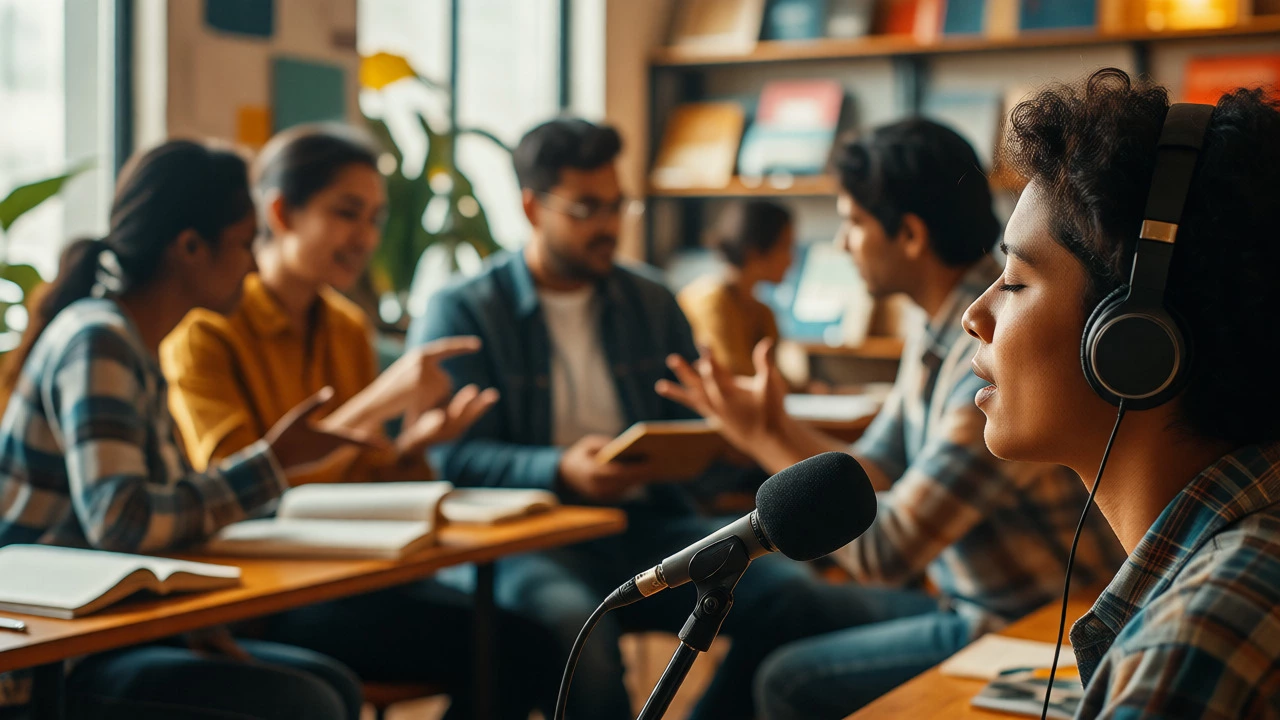
English Fluency Timeline Estimator
Select your current status and study habits to see a realistic timeline for reaching conversational or professional fluency.
Calculating...
Total Hours Needed:
0 hours
Estimated Duration:
0 months
You quit your job, moved abroad, or just decided it’s finally time. You’re ready to speak English a West Germanic language that serves as the global lingua franca for business and travel. But how long will it actually take before you stop translating in your head and start chatting naturally? The honest answer isn’t a single number. It depends on where you start, what you do daily, and what “fluent” even means to you.
The Hard Truth About Fluency Timelines
Most people think fluency is a light switch. One day you’re struggling with grammar, the next you’re cracking jokes. In reality, it’s a gradient. The Foreign Service Institute (FSI) the training arm of the U.S. Department of State categorizes languages by difficulty for native English speakers. For them, learning Spanish takes about 600 class hours. For an Arabic speaker learning English, the FSI estimates roughly 1,100 hours of study to reach professional proficiency. That’s not years of casual Duolingo streaks; that’s serious, focused work.
If you treat English like a hobby-studying 30 minutes a day-you might need five to seven years to feel truly comfortable. If you treat it like a full-time job, immersing yourself for four to six hours daily, you could see significant breakthroughs in six to twelve months. The variable isn’t magic; it’s volume and intensity.
Defining Your Finish Line: What Does Fluent Mean?
Before you count days, define the goal. “Fluent” is vague. Do you want to order coffee without panic? Negotiate a contract? Watch Netflix without subtitles? These are different skills.
Linguists use the Common European Framework of Reference for Languages (CEFR) an international standard for describing language ability to measure progress. Here is how the timelines break down for a typical learner starting from zero:
| Level | Description | Study Hours Required | Time at 1 hr/day | Time at 4 hrs/day |
|---|---|---|---|---|
| A1/A2 | Basic survival (travel, simple chats) | 200-400 hours | 8-13 months | 2-3 months |
| B1/B2 | Independent user (work, social life) | 500-800 hours | 17-27 months | 4-7 months |
| C1/C2 | Proficient/Native-like nuance | 900+ hours | 30+ months | 8+ months |
Notice the jump between B2 and C1. Reaching B2 is often where people feel “good enough.” Getting to C1 requires mastering idioms, humor, and cultural context, which takes much longer because it’s less about rules and more about exposure.
Your Starting Point Changes Everything
Not everyone starts at zero. If your native language shares roots with English, you have a massive advantage. Speakers of Germanic languages language family including Dutch, German, and Swedish often find English vocabulary intuitive. A Dutch speaker might read an English newspaper and understand 60% of it immediately. Compare that to a Japanese or Mandarin speaker, who must build entirely new phonetic and grammatical structures from scratch.
I’ve seen students from Brazil crack conversational English in three months because Portuguese and English share Latin-based vocabulary. Meanwhile, a motivated student from Vietnam might take twice as long to achieve the same comfort level, simply due to linguistic distance. Be realistic about your baseline. Check out free online assessments from institutions like Cambridge English part of the University of Cambridge to pinpoint exactly where you stand.
Active vs. Passive: Why Input Isn’t Enough
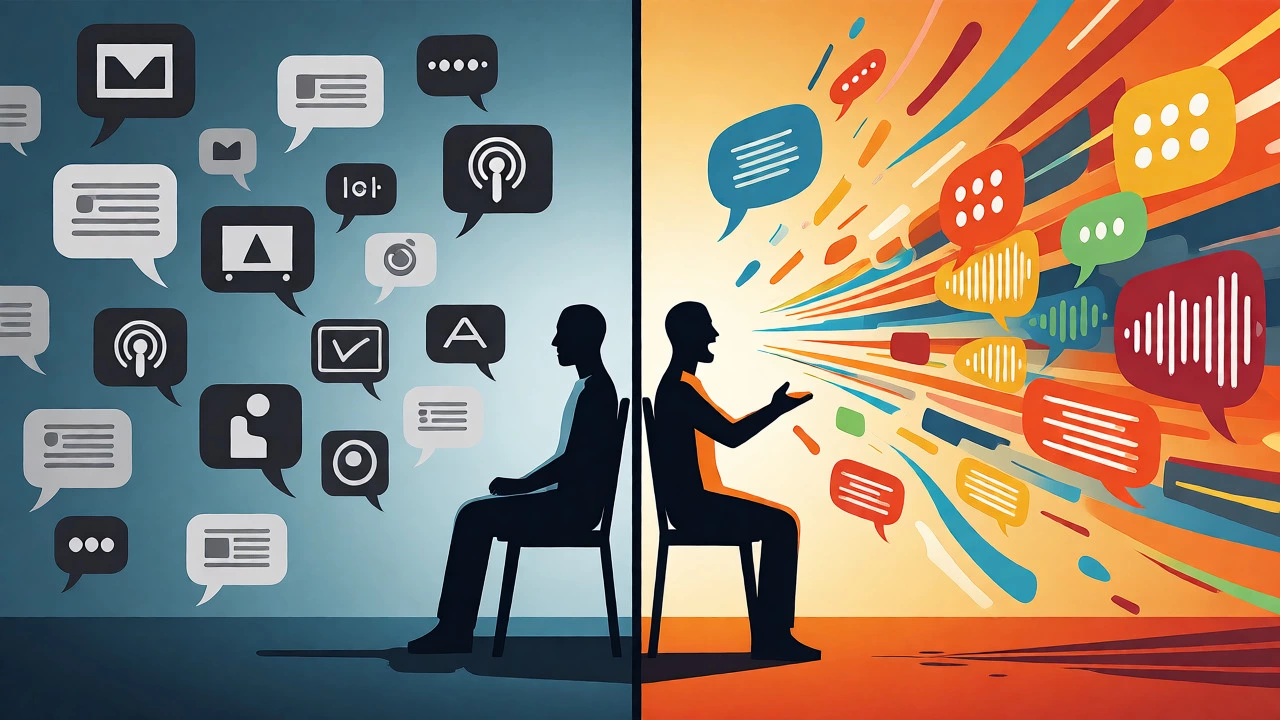
Here is the biggest trap learners fall into: confusing understanding with speaking. You can listen to podcasts for ten years and still freeze when someone asks, “What do you do?” Speaking is a motor skill. It requires muscle memory in your mouth and quick neural pathways for retrieval.
Passive input (reading, listening) builds recognition. Active output (speaking, writing) builds production. You cannot become fluent by only consuming content. You must produce it. If you spend 80% of your time studying grammar books and only 20% talking, your progress will be slow. Flip that ratio. Spend most of your energy trying to make mistakes out loud.
Strategies That Actually Speed Up the Clock
So, how do you compress those thousands of hours? You don’t just study harder; you study smarter. Here are three methods that consistently accelerate results:
- Shadowing Technique: Don’t just listen to audio. Repeat it simultaneously, mimicking the speed, intonation, and pauses. This trains your brain to process speech faster than translation allows. Use short clips from TED Talks or movies. Do this for 15 minutes daily.
- Spaced Repetition Systems (SRS): Tools like Anki help you memorize vocabulary efficiently. Instead of reviewing words every day, the algorithm shows them right before you forget. This cuts study time by half while improving retention. Focus on phrases, not isolated words. Knowing “how are you” is useless if you can’t say “I’m doing well, thanks.”
- The 3-Second Rule: When conversing, force yourself to respond within three seconds. Hesitation kills flow. If you don’t know a word, describe it (“the thing used to open doors”) rather than stopping. This builds confidence and keeps the conversation moving, which is crucial for fluency.

Immersion Without Traveling Abroad
You don’t need to move to London or New York to immerse yourself. You can create a digital immersion bubble. Change your phone, computer, and social media settings to English. Follow English-speaking influencers in your niche. Join Discord servers or Reddit communities where English is the primary language.
Consider platforms like iTalki or Cambly for affordable conversation partners. Talking to a tutor for 30 minutes twice a week is far more effective than cramming for five hours once a week. Consistency beats intensity. Small, frequent doses of speaking keep the language fresh in your mind.
Pitfalls That Stall Progress
Many learners hit a plateau around the B1 level. They can communicate, but they aren’t getting better. Why? Usually, it’s fear of making mistakes or relying too heavily on translators. Stop using Google Translate for everything. Try to guess meaning from context first. Also, stop correcting every single error during practice conversations. Fluency is about communication, not perfection. Native speakers make grammar mistakes all the time. Aim for clarity, not textbook accuracy.
Another common mistake is switching back to your native language when things get hard. If you’re in an English-only group, stay there. Even if you struggle, the discomfort is where growth happens. Embrace the awkwardness.
Realistic Expectations for Busy Adults
If you have a full-time job and a family, you won’t have four hours a day. That’s okay. You can still make progress. Dedicate 45 minutes daily to focused study and another 30 minutes to passive listening during commutes or chores. At this pace, expect noticeable improvement in six months, solid conversational ability in 18 months, and high fluency in three to four years.
Don’t let the timeline discourage you. Language learning is non-linear. You’ll have weeks where nothing seems to change, then suddenly, a whole month clicks. Trust the process. Keep showing up. The days will add up.
Can I learn English fluently in one year?
Yes, if you commit to intensive study. Reaching conversational fluency (B2 level) in one year requires approximately 3-4 hours of active practice daily. This usually involves living in an English-speaking country or taking a full-time course combined with self-study. Casual study of 30 minutes a day will not achieve this in a year.
Does age affect how fast I can become fluent?
Children absorb accents and grammar intuitively, often reaching fluency faster in terms of naturalness. However, adults have advantages in discipline, logical reasoning, and access to resources. While adults may take longer to perfect pronunciation, they can often grasp complex grammar and professional vocabulary faster than children. Age matters less than consistency and method.
Is watching movies enough to become fluent?
No. Watching movies improves listening comprehension and exposes you to slang, but it does not train your mouth muscles or quick thinking required for speaking. You must actively speak and engage in conversations to develop fluency. Movies should complement active practice, not replace it.
How many words do I need to know to be fluent?
Knowing about 3,000 to 5,000 word families allows for basic conversational fluency. To handle professional or academic topics comfortably, you generally need a vocabulary of 8,000 to 10,000 words. However, knowing how to use these words in context is more important than sheer quantity.
Why do I still understand spoken English poorly despite studying?
This is common because classroom English is often slower and clearer than real-life speech. Natives use contractions, slang, and mumble. To fix this, expose yourself to unscripted audio like podcasts, interviews, or YouTube vlogs. Practice shadowing to sync your ear with natural speeds.