Coursera: Online Courses, Pricing, and What You Can Learn
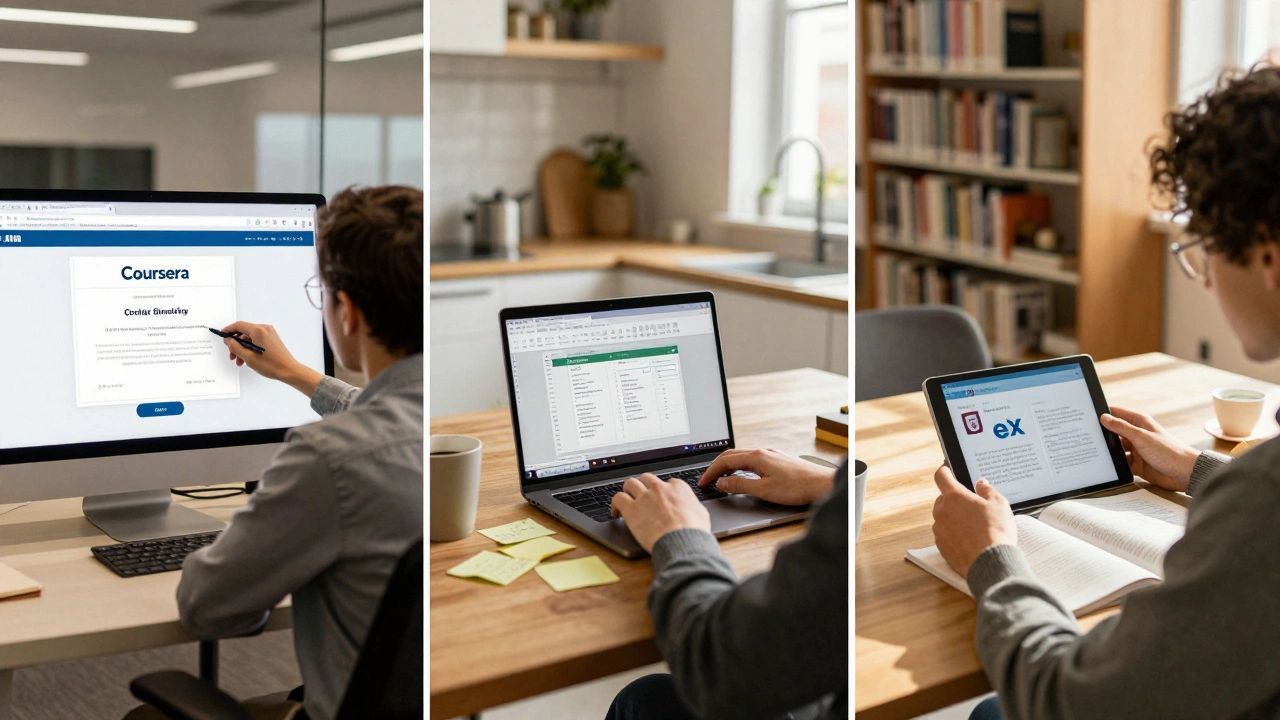
When you think about Coursera, a global online learning platform that partners with universities and companies to offer courses, certificates, and degrees. It's one of the most widely used e-learning platform in the world, with millions of learners using it to upskill, switch careers, or just learn something new. Also known as online course marketplace, Coursera lets you take classes from Stanford, Yale, Google, and IBM—all from your phone or laptop.
Coursera isn’t just a single course site. It’s a system. You can pay for one class at a time, subscribe monthly with Coursera Plus to get unlimited access, or even enroll in full degree programs. The platform works for students, working professionals, and people looking to break into tech, business, or data science. You don’t need a college degree to start. Many users begin with free audit tracks, then upgrade only if they want a certificate. It’s flexible, and that’s why it’s so popular across India—especially among students preparing for competitive exams who need extra skills in programming, English, or data analysis.
What you learn on Coursera matters more than the name on the certificate. A beginner in coding can start with a free Python course from the University of Michigan. Someone aiming for a promotion might take a Google Project Management certificate. A teacher in a small town can learn how to use digital tools with a course from Harvard. The real value isn’t in the logo—it’s in what you can do after. And unlike expensive bootcamps, you can test-drive a course before spending a rupee. That’s why so many of the posts here talk about Coursera’s pricing, its free options, and how to pick the right plan based on your goal. Whether you’re learning one skill or building a whole new career path, Coursera gives you control over your time and your budget.
There’s no magic formula to succeed on Coursera. It’s not about how many certificates you collect. It’s about what you actually practice. The best learners watch the videos, do the assignments, and apply what they learn—even if it’s just explaining a concept to a friend. That’s the pattern you’ll see in the posts below: real stories from people who used Coursera to get better at coding, English, or exam prep—not just to check a box. You’ll find guides on how much it costs per month, which courses are worth it, and how to avoid wasting money on things you won’t use. This isn’t a sales page. It’s a practical map for anyone who wants to learn without getting ripped off.
Discover the best online learning platforms in 2026 for career growth, skill-building, and affordable education. Compare Coursera, Udemy, edX, LinkedIn Learning, and MasterClass to find what fits your goals.
Explore real examples of digital learning platforms in 2025, including Coursera, Khan Academy, Udemy, and more. Learn how to choose the right one for your goals, whether you're studying for free or advancing your career.