e-learning platform: What It Is and How It Works in 2025
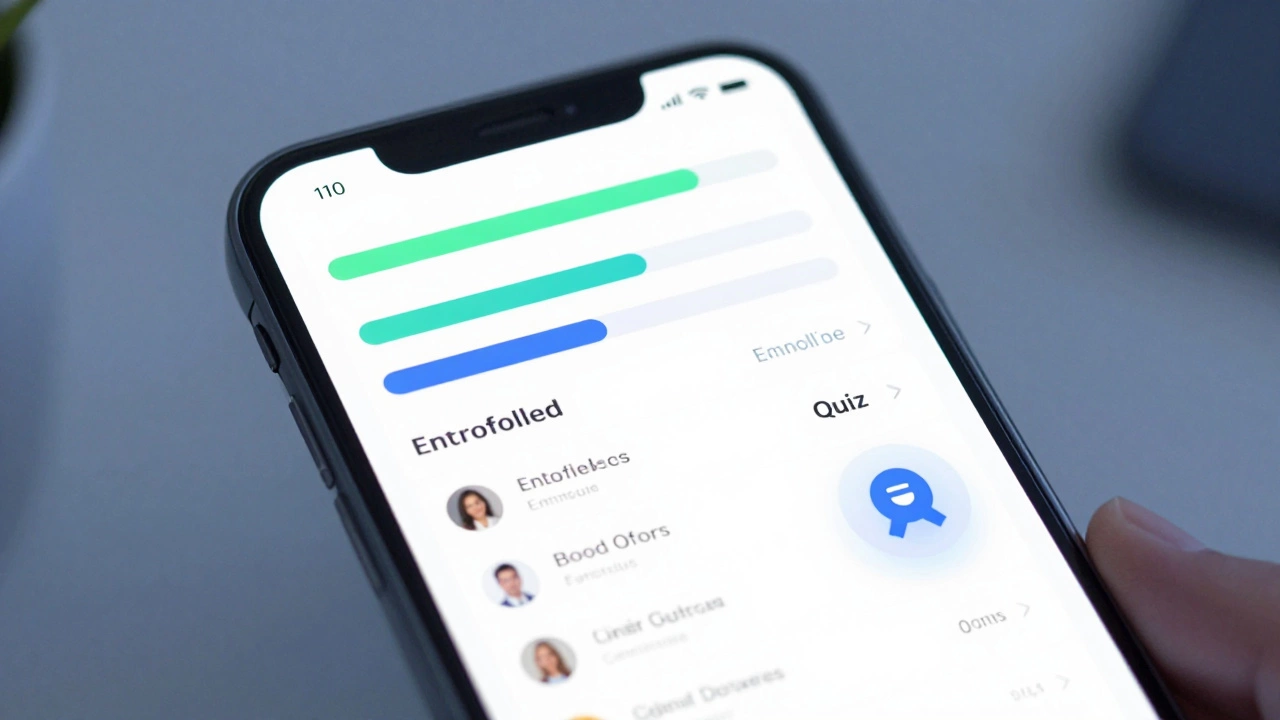
When you hear e-learning platform, a digital system that delivers courses, quizzes, and learning materials over the internet without needing a physical classroom. Also known as online learning platform, it's what lets you study for IIT JEE from your phone, learn English through daily practice apps, or take a coding class while waiting for the bus. This isn’t just about watching videos—it’s about structured, trackable learning that adapts to your pace, your goals, and your schedule.
Most digital learning platforms, systems like Coursera, Khan Academy, or Google Classroom that host structured educational content and often include progress tracking don’t just dump content on you. They break it down. For example, if you’re trying to crack NEET, Physics Wallah uses short lessons, timed quizzes, and doubt-solving forums—all built into a single platform. Same goes for someone learning to speak English: apps that track your speaking time, correct pronunciation, and suggest daily 5-minute drills are all powered by these platforms. They’re not magic, but they’re designed to keep you engaged, not bored.
Not all platforms are made the same. Some, like Coursera, a platform offering university-level courses from top schools, often with certificates, charge per course or subscription. Others, like Khan Academy, a free, nonprofit platform with video lessons on math, science, and more, used by millions of students globally, give you everything for free. The difference? One might help you build a resume. The other helps you understand calculus. Both are valid. What matters is matching the platform to your goal. If you’re studying for CBSE exams, you need clear syllabus alignment. If you’re learning to code, you need hands-on projects. A good e-learning platform doesn’t just teach—it connects what you’re learning to what you want to do next.
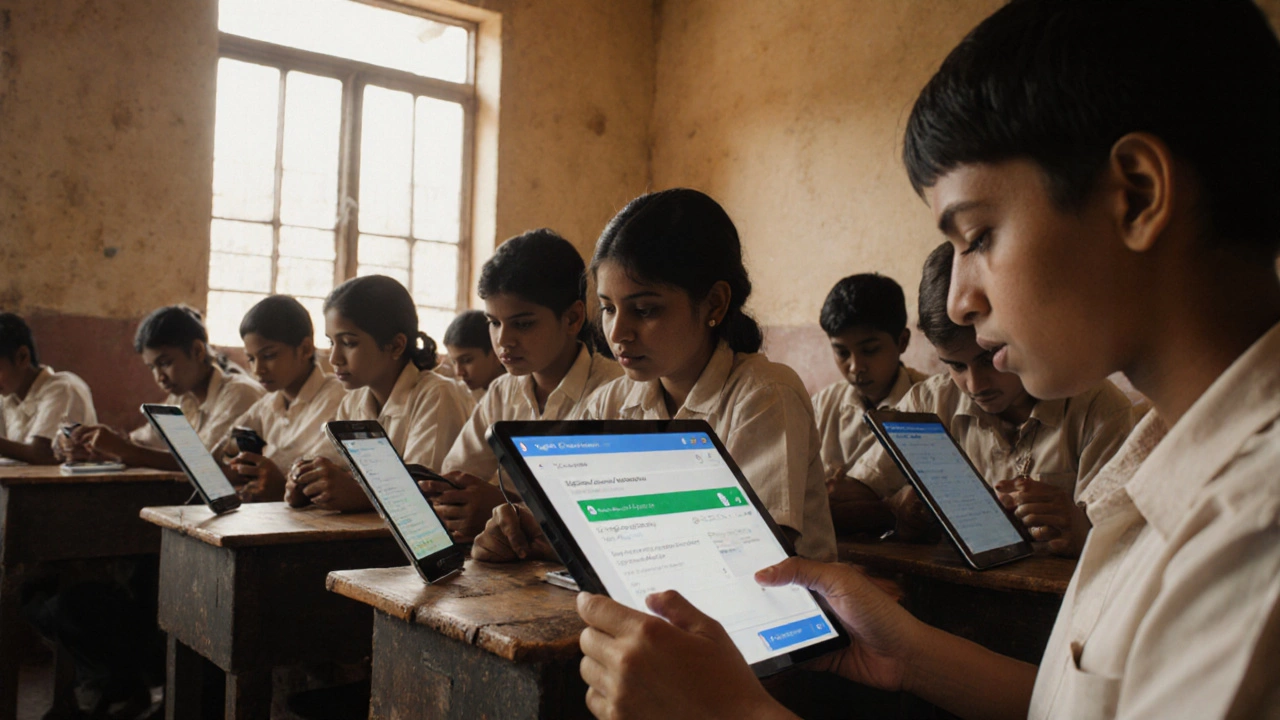
And it’s not just for students. Teachers use these tools to assign homework, track progress, and give feedback. Professionals use them to switch careers. Parents use them to help kids catch up. The real power? You don’t need a school or a classroom. You just need a device, some time, and a clear reason why you’re learning. That’s why the best e-learning platforms don’t push flashy features—they push consistency, clarity, and results.
Below, you’ll find real guides on what platforms actually work in 2025, how much they cost, and which ones help people actually pass exams, land jobs, or speak English without stressing over grammar. No fluff. Just what you need to pick the right one—and stick with it.
An eLearning system is a digital platform that delivers, manages, and tracks online education. It’s not just videos-it includes quizzes, progress tracking, certificates, and feedback. Used by schools, companies, and learners worldwide.
E-learning platforms are the most common type of internet platform for education, used by over 100 million people daily. They power schools, universities, and workplaces with tools for learning, tracking, and feedback.