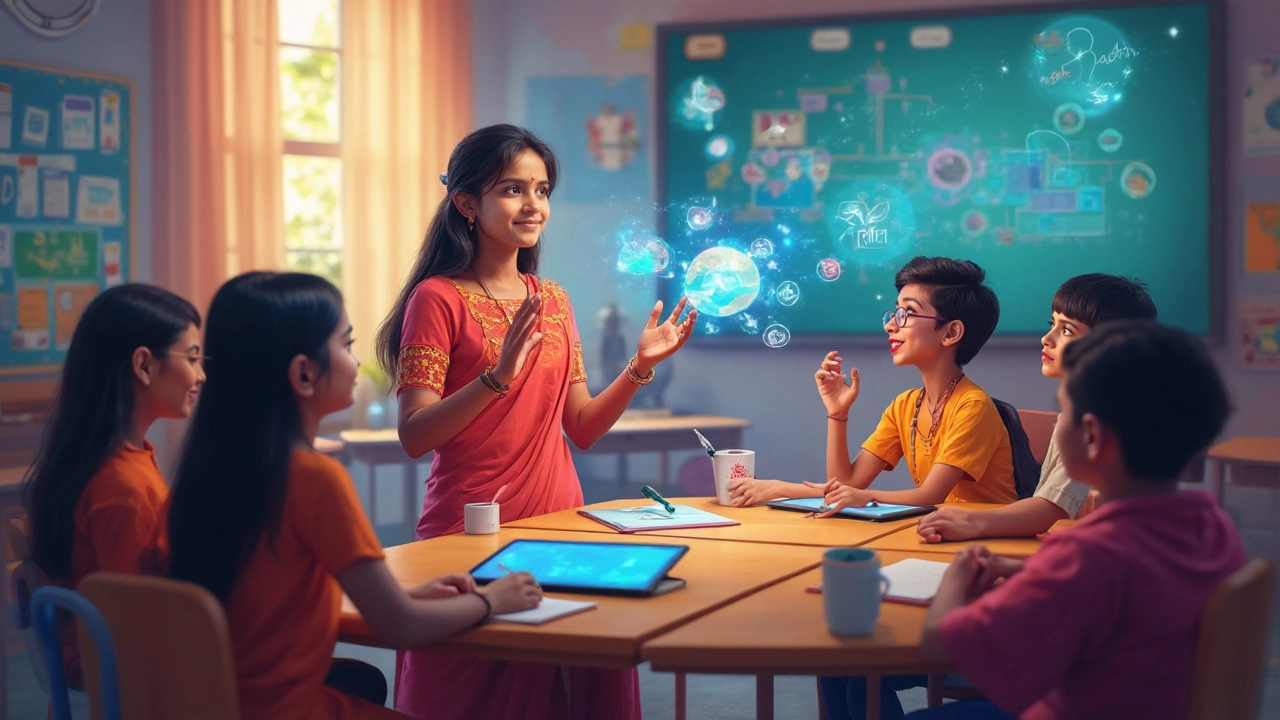
Education Trends in India: What’s Shaping Learning Today
When we talk about education trends, the evolving patterns in how students learn, schools teach, and exams are prepared for across India. Also known as modern learning shifts, these trends are changing what success looks like in the classroom and beyond. It’s no longer just about memorizing textbooks. Today’s students are using apps to crack IIT JEE in six months, switching to CBSE schools because they align with national exams, and learning English by speaking—not by grammar drills. The way learning happens has shifted, and the tools, rules, and even the goals are changing fast.
One big piece of this puzzle is e-learning platforms, digital systems that deliver lessons, track progress, and connect learners to resources without needing a physical classroom. Also known as online learning systems, they’re not just optional anymore—they’re the backbone of study habits for millions. Platforms like Coursera, Khan Academy, and even Google Classroom are now part of daily routines, whether you’re a student in Delhi or a small town in Odisha. And it’s not just about videos. These platforms offer quizzes, progress reports, and AI-driven recommendations that adapt to how you learn. Meanwhile, competitive exam prep, the focused, often intense process of preparing for entrance tests like JEE, NEET, or UPSC. Also known as entrance exam coaching, has gone digital. Apps now replace physical coaching centers for many, offering bite-sized lessons, mock tests, and doubt-solving features—all in your pocket. This shift means you don’t need to move to a big city to get top-tier coaching. You just need a phone and a plan.
And then there’s the CBSE schools, the most common type of school system in India, known for their standardized curriculum and strong alignment with national competitive exams. Also known as Central Board of Secondary Education schools, they’re not just popular—they’re strategic. Parents choose them because the syllabus matches what’s tested in JEE, NEET, and other major exams. The papers are designed to be fair across the country, and the teaching style leans toward problem-solving over rote learning. This makes CBSE a natural fit for the current education trends, where clarity, consistency, and exam-readiness matter more than ever. Even digital learning tools are built to support CBSE’s structure, with apps offering chapter-wise practice, previous year papers, and syllabus trackers that match board patterns.
These trends aren’t random. They’re connected. Digital platforms make exam prep more accessible. CBSE schools create a uniform foundation that those platforms can build on. And together, they’re lowering the barriers for students who used to feel left behind. You don’t need to be from a wealthy family or live near a coaching hub anymore. With the right app, a clear schedule, and a few hours a day, you can compete on equal footing.
What you’ll find below are real, practical stories and guides that show how these trends play out in everyday life—from the student who cracked JEE in six months using only free apps, to the parent who switched from ICSE to CBSE because their child finally started understanding physics. These aren’t theories. They’re lived experiences. And they’re shaping the future of learning in India right now.
In 2025, teachers skilled in technology, special education, and STEM are in highest demand as schools aim to address key educational needs. With digital learning technologies now integral to classrooms, educators proficient with these tools stand out. Special education teachers have seen increased interest, fueled by rising awareness around inclusive education. STEM fields, too, require passionate educators to prepare students for future careers. Understanding these trends can guide aspiring teachers in their professional development.