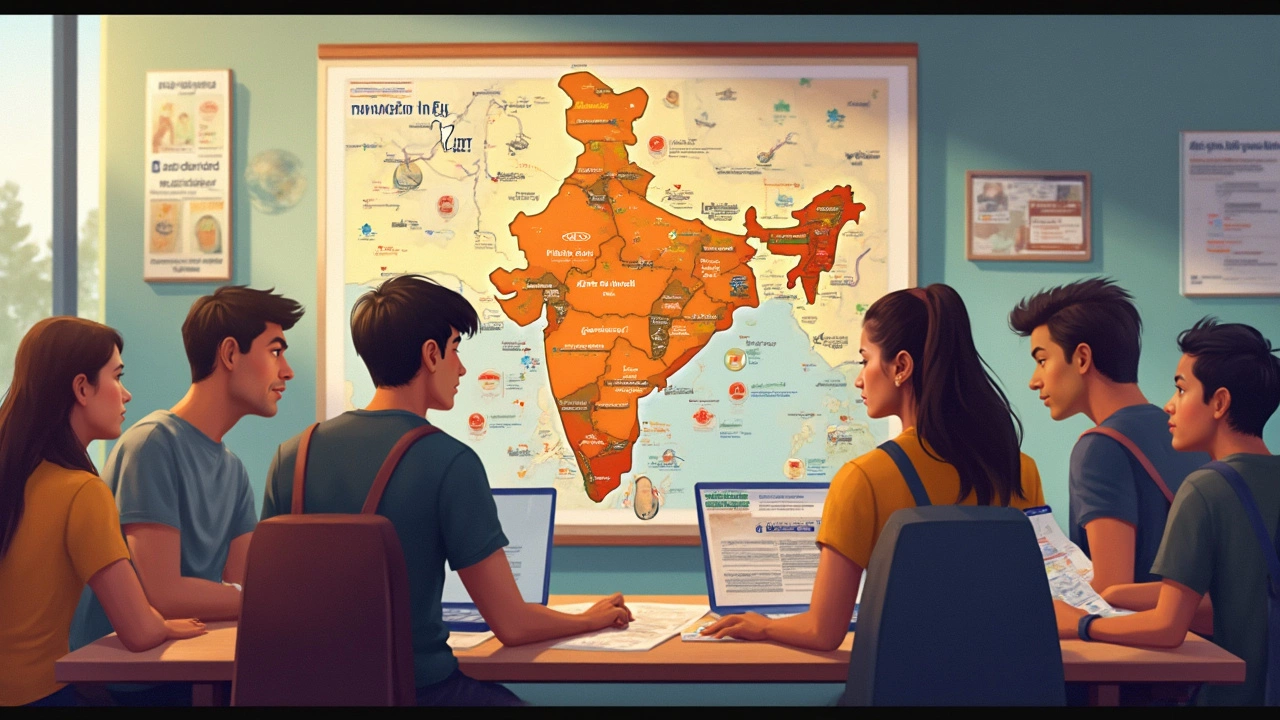
Engineering in India: Paths, Prep, and What Really Matters
When people talk about engineering, a field focused on designing, building, and solving real-world problems using science and math. Also known as technical education, it’s one of the most pursued career paths in India—not because it’s easy, but because it still opens doors that others don’t. But here’s the thing: engineering isn’t just about cracking IIT JEE. It’s about what comes after—the right study habits, the tools you use, the board you studied under, and whether your prep actually matches what’s needed in the real world.
Most students start with CBSE schools, a national education system designed for standardized testing and alignment with competitive exams like JEE. Also known as Central Board of Secondary Education, it’s the default choice for families aiming for engineering because its syllabus directly feeds into JEE Main and Advanced. But CBSE alone won’t get you there. You need consistent daily practice, the right books, and a plan that doesn’t burn you out. And that’s where competitive exam prep, the focused, structured effort to pass high-stakes entrance tests like JEE, NEET, or UPSC. Also known as entrance exam training, it’s not about cramming—it’s about smart repetition, timed mock tests, and knowing what not to waste time on. Many think coaching institutes are the only way, but real success stories come from people who used free apps, YouTube channels, and disciplined self-study. Tools like coding class, structured learning programs that teach programming skills, often used by engineering aspirants to build problem-solving logic. Also known as programming course, it’s not just for computer science—it’s become a core skill for all engineering branches. Whether you’re learning Python for data analysis or C++ for algorithms, coding helps you think like an engineer.
There’s no magic formula. Some crack IIT JEE in six months with total focus. Others take two years and still get in. What matters isn’t how long you studied—it’s whether you were honest with yourself about what you didn’t know. Did you skip weak topics because they were hard? Did you chase flashy coaching ads instead of building your own routine? The posts below show real cases—people who failed, people who succeeded, and people who changed paths entirely. You’ll find guides on the best apps, what CBSE really teaches, how coding classes fit into your plan, and why some students who didn’t go to IIT ended up with better careers. This isn’t about hype. It’s about what actually works when the pressure is on and the clock is ticking.
Bagging a 10,000 rank in the JEE Advanced is good, but it can be tricky figuring out which IITs might take you. This article breaks down your chances clearly and gives you tips to sharpen your choices during counseling. Get the truth about campus and branch options, plus real-world advice on cutoff trends, reservation benefits, and smart backup plans. Make that next step a whole lot less stressful.