Instructional Design: How Learning Systems Are Built for Real Results
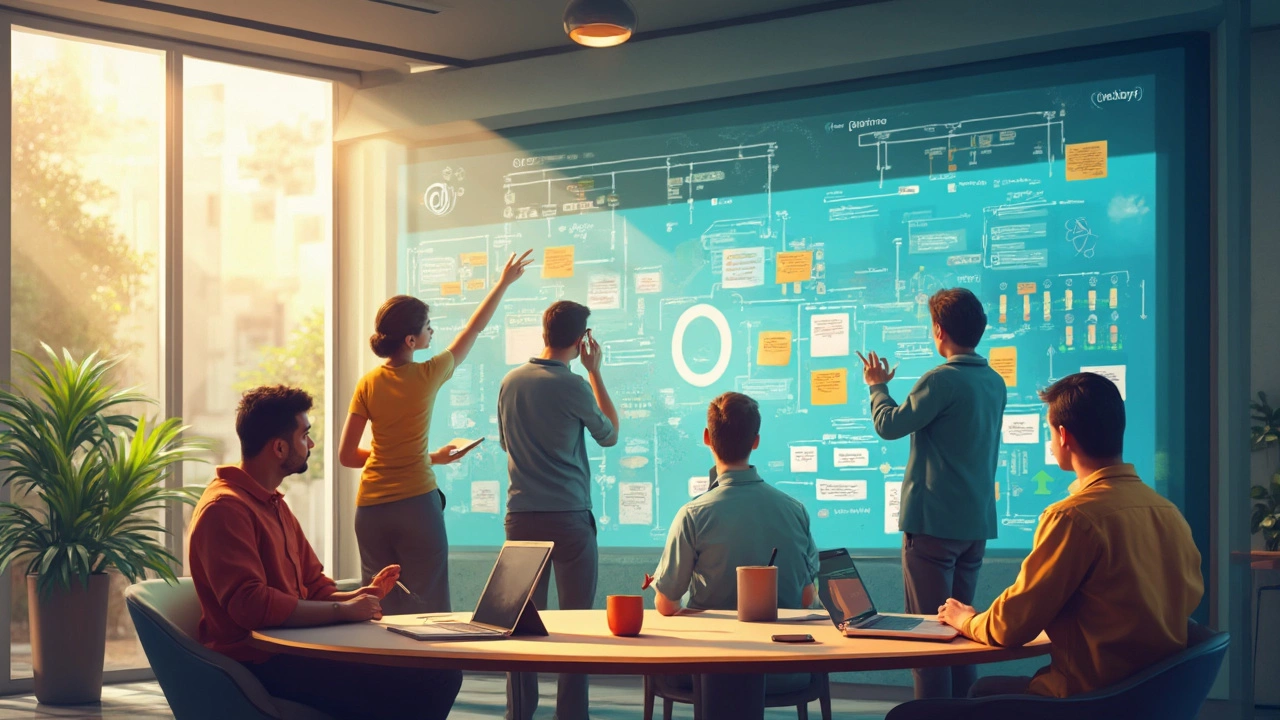
When you take an online course, watch a tutorial, or use an app to study for an exam, you're interacting with instructional design, the systematic process of creating effective learning experiences. Also known as learning design, it’s what turns scattered information into clear, step-by-step progress—whether you’re learning to code, preparing for NEET, or trying to speak English better. It’s not about making slides look pretty. It’s about figuring out how people actually learn, then building something that works.
Good instructional design doesn’t guess. It uses what we know about how the brain works. For example, if you’re using e-learning, digital platforms that deliver education online like Coursera or Khan Academy, the course structure isn’t random. It’s built to keep you engaged, test your understanding, and help you remember. That’s instructional design. The same goes for learning management systems, software platforms like Moodle or Canvas that organize and track learning. They’re not just storage bins—they’re built on principles that guide how content is ordered, how feedback is given, and when you’re ready to move forward.
Look at the posts here. You’ll see guides on how to prep for IIT JEE in six months, why CBSE schools are popular across India, and how apps like Physics Wallah help students crack tough exams. Behind every one of those success stories is instructional design. Someone figured out what skills you need, broke them into chunks, picked the right tools, and built a path that actually works. It’s why some people study for hours and still fail, while others crack the same exam with less time—they’re following a well-designed system.
You don’t need to be a teacher or a tech expert to understand it. You just need to know what to look for. Is the material too dense? Are you getting feedback? Is the pace right for you? Those aren’t accidents. They’re choices made by instructional designers. The best ones don’t just teach—they make learning feel easy, even when it’s hard.
Below, you’ll find real examples of how this works in practice. From free apps to expensive bootcamps, from Google Classroom to full online degrees—each one follows a design. Some work. Some don’t. Knowing the difference helps you choose smarter, study faster, and stop wasting time on stuff that doesn’t stick.
This article breaks down the five key phases of eLearning, helping readers understand each step needed to create effective online courses. From planning and designing to launching and improving, you'll get clear advice and practical tips for every phase. Perfect for anyone building or managing eLearning projects, whether you're at a startup or a big company. Discover concrete steps to make digital learning run smoother and get better results for both teachers and learners.