Teacher Training Pathway Quiz
How well do you match the requirements for a teacher in training?
Answer these 5 questions honestly to assess if teaching is the right path for you. Your results will be based on your answers.
Question 1
Do you enjoy helping people learn, even when it's slow or frustrating?
Question 2
Can you handle chaos without losing your cool?
Question 3
Are you willing to keep learning—even after you're certified?
Question 4
Do you care more about the outcome than being right?
Question 5
How do you handle constructive criticism?
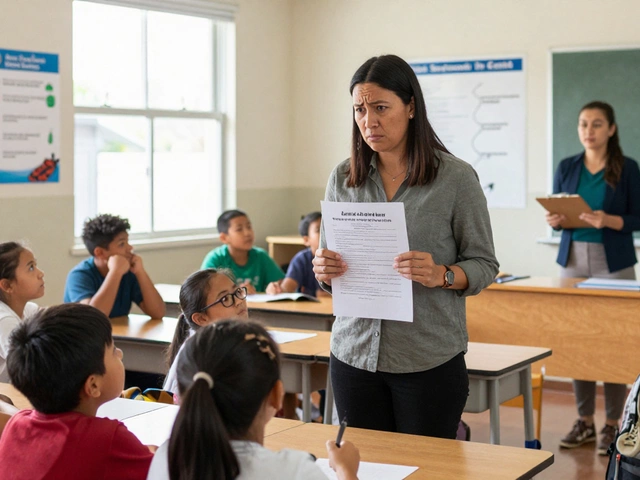
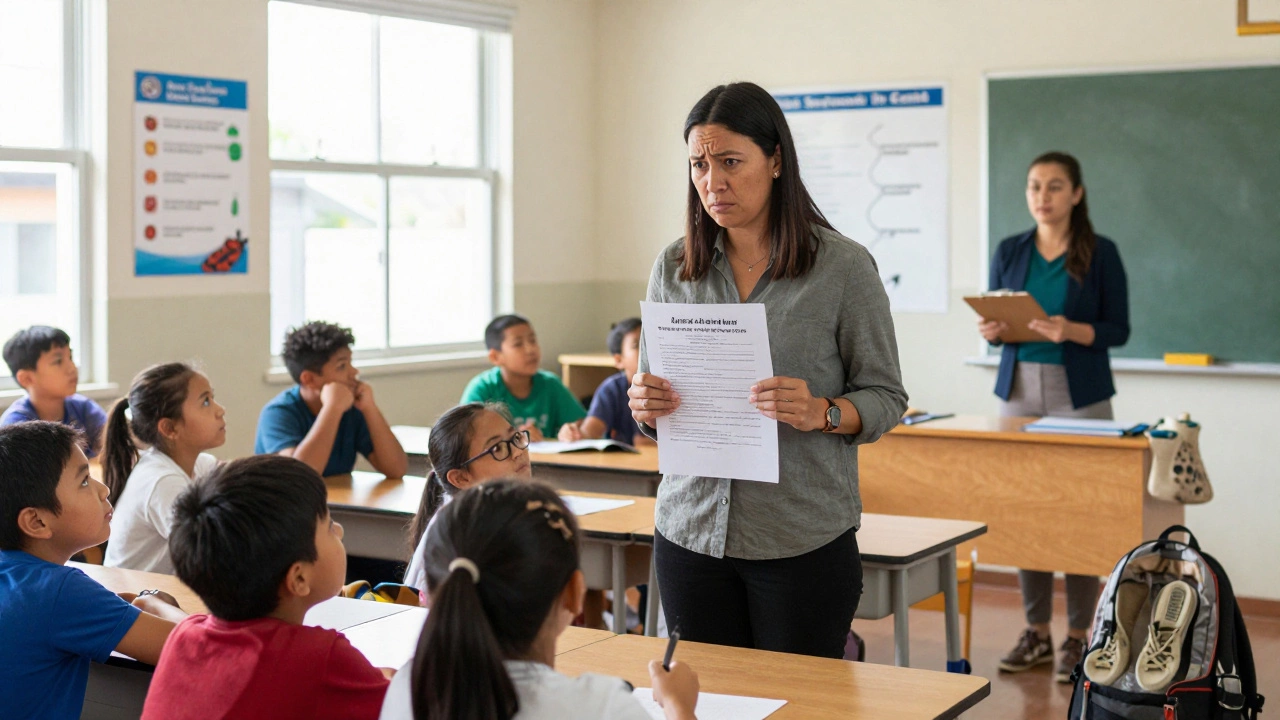
A teacher in training isn’t just a student with a notebook and a pen. They’re someone actively learning how to lead a classroom, manage behavior, design lessons, and connect with kids who may be struggling, excited, shy, or loud-all in the same hour. This isn’t theory. It’s hands-on, messy, real work done under supervision, often while juggling part-time jobs, family responsibilities, and personal doubts.
What Exactly Does a Teacher in Training Do?
A teacher in training, also called a pre-service teacher, is someone enrolled in a formal program to become a certified educator. In New Zealand, this usually means they’re studying for a Bachelor of Teaching or a Postgraduate Diploma in Teaching. But their job doesn’t stop at lectures and essays. Every week, they spend time in real classrooms-sometimes as observers, sometimes leading small groups, sometimes running full lessons.
They don’t just learn how to teach math or science. They learn how to spot when a student is falling behind because they didn’t eat breakfast, how to adjust a lesson for a child with dyslexia, how to calm a group after a fight in the playground, and how to talk to parents who don’t trust the school system. These aren’t skills you get from a textbook. You learn them by doing-and failing-and trying again.
How Is Teacher Training Structured?
Most teacher training programs follow a mix of university study and school-based experience. In New Zealand, the standard path looks like this:
- Year 1-2: Theory classes on child development, curriculum design, assessment methods, and inclusive education. You’ll read about Piaget, Vygotsky, and the New Zealand Curriculum, but you’ll also be asked: How would you make this real for a 10-year-old in South Auckland?
- Year 3: You start spending one or two days a week in a school. At first, you shadow a mentor teacher. Later, you co-teach. By the end of the term, you’re responsible for planning and delivering a full unit of work.
- Year 4 (or final placement): You’re placed full-time in a school for 10-12 weeks. You take over the class. You mark assignments. You write reports. You attend staff meetings. You get feedback from your mentor, your university supervisor, and the students themselves.
This isn’t a practice run. Schools rely on teacher trainees to help fill staffing gaps, especially in rural areas or schools with high turnover. That means you’re not just learning-you’re contributing.
What Skills Do You Need to Succeed?
Being a teacher in training isn’t about being perfect. It’s about being adaptable, reflective, and resilient. Here are the top five skills that make the difference:
- Observation: You learn more by watching than by talking. Notice how a veteran teacher pauses after asking a question. How they move around the room. How they use silence.
- Reflection: After every lesson, you write a journal entry. What worked? What flopped? Why? No one grades it. But you’ll start seeing patterns-like how your voice gets higher when you’re nervous, or how kids tune out after 15 minutes.
- Communication: You’ll learn to speak differently to a principal, a parent, and a 7-year-old who just cried because they lost their pencil.
- Patience: You’ll plan a brilliant lesson. The kids will stare at you like you’re speaking Martian. You’ll get feedback that feels like a punch. You’ll cry in the bathroom. Then you’ll come back the next day.
- Self-care: Teaching burns people out. Teacher trainees who survive are the ones who eat lunch, sleep, and say no when they’re overwhelmed.

Common Challenges Teacher Trainees Face
It’s not all inspiring stories and smiling students. Here’s what most trainees don’t tell you:
- Imposter syndrome: You’ll feel like a fraud. Everyone else seems to know what they’re doing. You’re the one who forgot the lesson plan, mispronounced a Māori word, or didn’t know how to fix the projector.
- Time overload: Planning lessons, marking, attending meetings, writing reflections, studying for exams-it’s 60+ hours a week. Many trainees work part-time jobs to pay rent.
- Emotional toll: You’ll see kids who come to school hungry. You’ll hear stories of abuse. You’ll want to fix everything. You can’t. That’s hard to accept.
- Feedback that stings: Your mentor might say, Your questioning technique is weak or You dominate the conversation. It’s not personal. It’s necessary.
But here’s the secret: every great teacher went through this. The ones who stick around are the ones who learn to turn criticism into growth.
What Happens After Training?
When you finish your program, you’re eligible to apply for provisional certification from the Teaching Council of Aotearoa New Zealand. That means you can work as a teacher-but you’re still on probation. You’ll need to complete your first year of teaching under mentorship before becoming fully registered.
Many trainees get hired by the schools where they did their practicum. Others apply for positions in urban, rural, or specialist schools. Some go into early childhood education, special needs, or adult learning. The demand is high. In 2025, New Zealand had over 1,200 teaching vacancies, especially in science, math, and Māori and Pasifika education.
But here’s the truth: not everyone makes it through. Some leave because the workload is too heavy. Some realize they don’t love the job as much as they thought they would. And that’s okay. Teaching isn’t for everyone. But for those who stay, it’s one of the most meaningful careers you can choose.

How to Know If Teaching Is Right for You
Before you sign up for a teacher training program, ask yourself:
- Do you enjoy helping people learn, even when it’s slow or frustrating?
- Can you handle chaos without losing your cool?
- Are you willing to keep learning-even after you’re certified?
- Do you care more about the outcome than being right?
If you said yes to most of these, you might be ready. If you’re still unsure, try volunteering at a school or tutoring a child for a few weeks. See how it feels. No one expects you to know everything. But you do need to show up-and stay curious.
Where to Start
If you’re in New Zealand and thinking about becoming a teacher in training, here’s where to begin:
- Visit the Teaching Council of Aotearoa New Zealand website for approved programs.
- Reach out to universities like the University of Auckland, Victoria University of Wellington, or the University of Otago-they all offer teaching degrees.
- Attend an open day or talk to a current trainee. Ask them: What was your hardest day? They’ll tell you.
There’s no shortcut. But there’s a path. And it starts with one step: deciding to try.
Is a teacher in training the same as a student teacher?
Yes, the terms are often used interchangeably. "Teacher in training" is the broader term used in New Zealand and other countries, while "student teacher" is more common in the U.S. Both refer to someone enrolled in a teacher preparation program who is gaining classroom experience under supervision.
Do you get paid during teacher training?
Most teacher trainees don’t get paid during their university-based study or practicum placements. However, some programs, like the Teaching Scholarship in New Zealand, offer financial support in exchange for a commitment to teach in a high-need school after graduation. Others work part-time jobs or rely on student loans and allowances.
How long does teacher training take?
In New Zealand, it typically takes three to four years to complete a Bachelor of Teaching. If you already have a bachelor’s degree in another subject, you can do a one- to two-year Postgraduate Diploma in Teaching. The full-time teaching practicum usually lasts 10-12 weeks near the end of the program.
Can you become a teacher without a degree?
No. To become a registered teacher in New Zealand, you must complete an approved teacher preparation program, which requires a university degree. There are alternative pathways for teaching assistants or tutors, but only certified teachers can lead classrooms in state schools.
What’s the biggest mistake teacher trainees make?
Trying to be perfect. Many trainees spend hours crafting the "perfect" lesson plan, only to panic when the kids don’t follow it. The best teachers know that flexibility matters more than perfection. A messy, responsive lesson that meets students where they are beats a flawless one that ignores their needs every time.