CBSE vs. American School: Which Curriculum Is Tougher and Why?
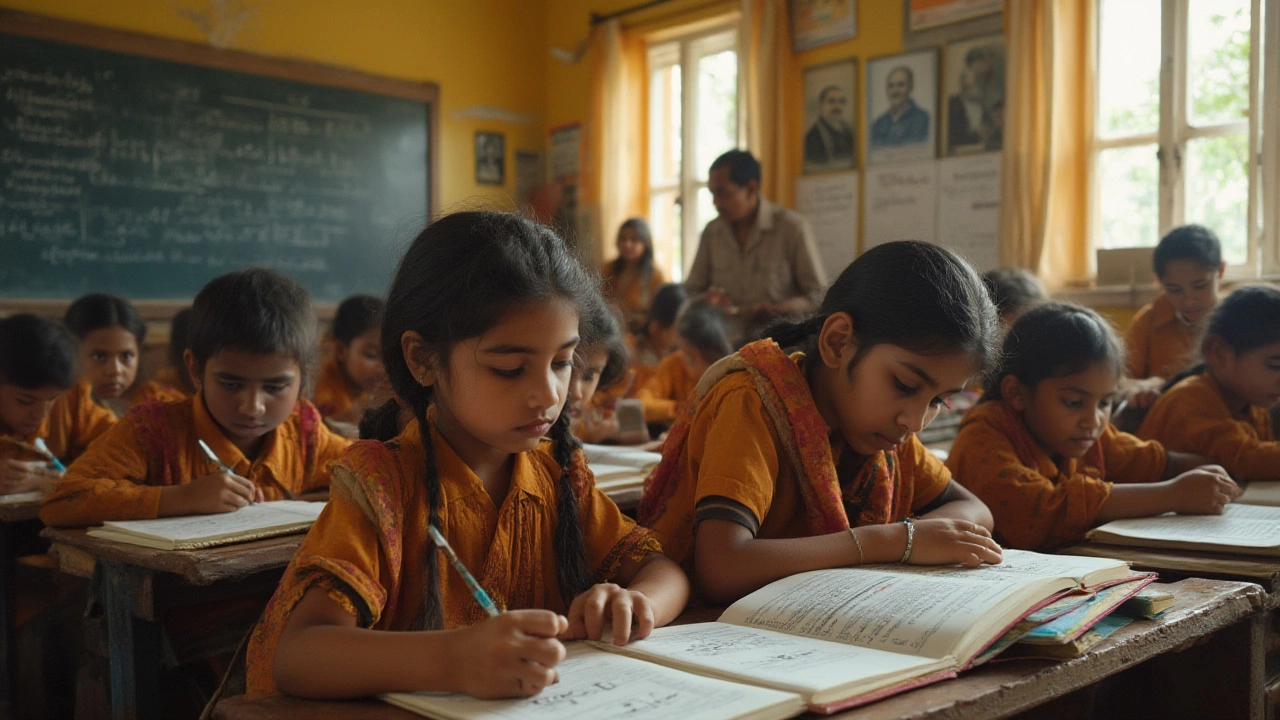
Wondering if CBSE is harder than American schools? Dive into the real-life workload, grading, daily grind, and success rates in each system.
Continue reading...When people talk about an American school, a type of educational system based on U.S. standards, often offering a flexible, student-centered approach to learning. Also known as U.S. curriculum school, it emphasizes critical thinking, project-based learning, and continuous assessment over high-stakes exams. Many families in India are choosing American schools—not because they’re flashy, but because they offer a different rhythm to learning. Unlike CBSE or ICSE, where memorization and board exams dominate, American schools focus on how students apply knowledge, work in teams, and solve real problems. It’s not about getting the right answer—it’s about asking the right questions.
This system isn’t just for kids in the U.S. It’s growing fast in India, especially in cities like Bangalore, Mumbai, and Delhi. You’ll find American curriculum schools offering programs like the Common Core, a set of U.S. educational standards for math and English language arts, or the Advanced Placement (AP), a college-level course program that lets high school students earn university credit. These aren’t just labels—they change how students study. Instead of cramming for a single exam, students write papers, do lab reports, present projects, and get graded on participation. It’s a shift from memorizing formulas to understanding why they work.
For Indian parents, the big question is: Is this better than CBSE? It depends. If your child plans to study abroad, especially in the U.S., an American school gives them a head start. Colleges there look at portfolios, extracurriculars, and essays—not just exam scores. But if your goal is cracking IIT JEE or NEET, CBSE’s structured syllabus still aligns better with those exams. That’s why some families choose hybrid models: CBSE for core subjects, and American-style teaching for English, science labs, or critical thinking skills. The truth? No system is perfect. But knowing how American schools operate helps you make smarter choices.
What you’ll find below are real guides that cut through the noise. From how American schools compare to CBSE, to what AP classes actually require, to whether switching to an international curriculum is worth the cost—you’ll see the facts, not the marketing. These aren’t opinion pieces. They’re practical breakdowns from parents, teachers, and students who’ve been there.
Wondering if CBSE is harder than American schools? Dive into the real-life workload, grading, daily grind, and success rates in each system.
Continue reading...