CBSE Exam Pattern: What It Is, How It Works, and What You Need to Know
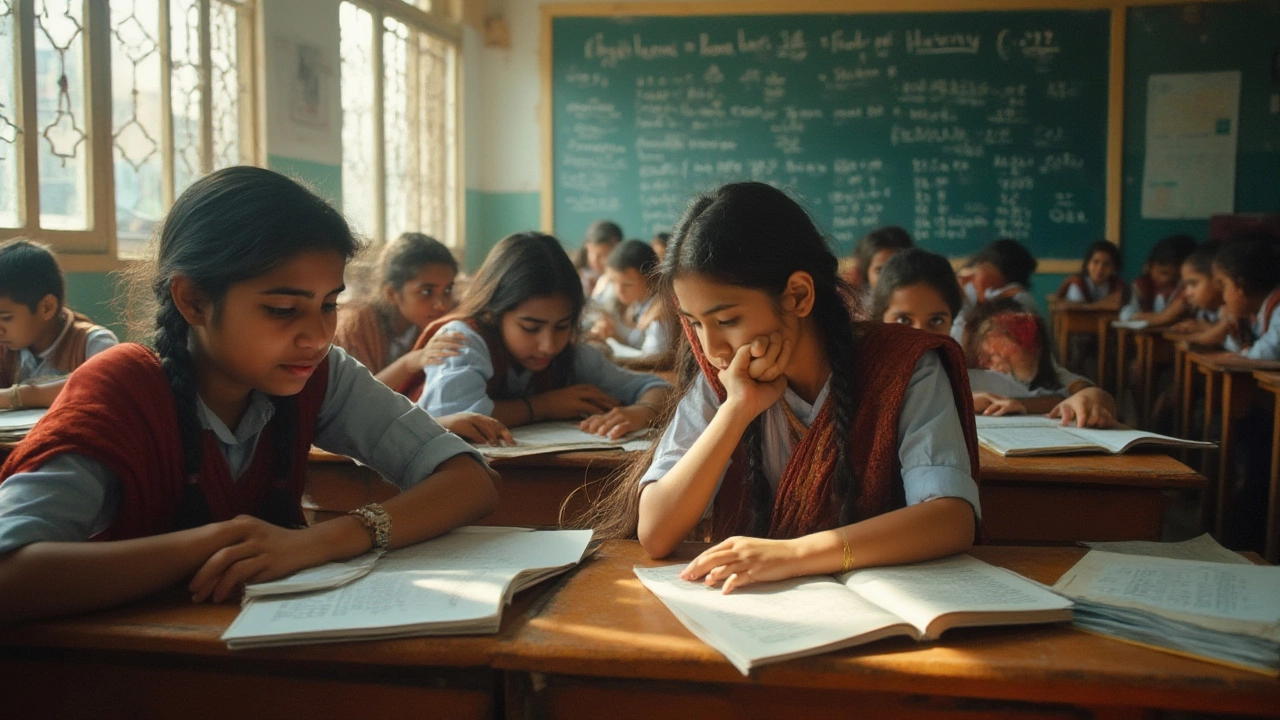
When students in India take their Class 10 or Class 12 board exams, they’re usually following the CBSE exam pattern, the standardized format used by the Central Board of Secondary Education for evaluating students across India. Also known as the CBSE board exam structure, this pattern isn’t just about how questions are arranged—it shapes how students study, how schools teach, and even which colleges they can get into. Unlike state boards that vary by region, CBSE sets a national standard. That’s why over 20,000 schools across India and even abroad follow it. It’s the same pattern used for high-stakes exams like JEE Main and NEET, making it the backbone of India’s competitive education system.
The CBSE exam pattern, the standardized format used by the Central Board of Secondary Education for evaluating students across India. Also known as CBSE board exam structure, this pattern isn’t just about how questions are arranged—it shapes how students study, how schools teach, and even which colleges they can get into. The pattern isn’t random. It’s built to test understanding, not just memory. For Class 10 and 12, you’ll see a mix of objective questions (MCQs), short answers, and long-form writing. The weightage changes every year, but the goal stays the same: assess how well you can apply concepts. For example, in Class 12 Physics, 20% of marks might come from numerical problems, 30% from derivations, and 15% from diagrams. That’s not an accident—it’s designed to mirror what you’ll face in engineering or medical entrance exams. And that’s why students preparing for JEE Main, the national engineering entrance exam used by NITs and IIITs, and often the first step toward IITs or NEET, the medical entrance exam for MBBS and BDS courses in India treat CBSE board prep as their foundation. The structure of CBSE exams trains you to think under time pressure, manage marks distribution, and handle different question types—all skills you’ll need again in JEE or NEET.
What makes the CBSE exam pattern different from ICSE or state boards? It’s more predictable. CBSE releases sample papers, marking schemes, and chapter-wise weightage before exams. That means you can plan your study around what’s likely to appear. You won’t find surprise topics or obscure questions. But that also means you can’t just cram. You need to practice solving papers under timed conditions, learn how to structure answers for full marks, and understand where to focus your time. The pattern rewards consistency over last-minute memorization. And because CBSE schools are spread nationwide, the exam pattern ensures fairness whether you’re in Delhi or Dibrugarh.
Below, you’ll find real guides from students who cracked JEE in six months, parents who chose CBSE over ICSE for their kids, and apps that help you master the CBSE exam pattern step by step. These aren’t theory pieces—they’re battle-tested strategies from people who’ve been through it.
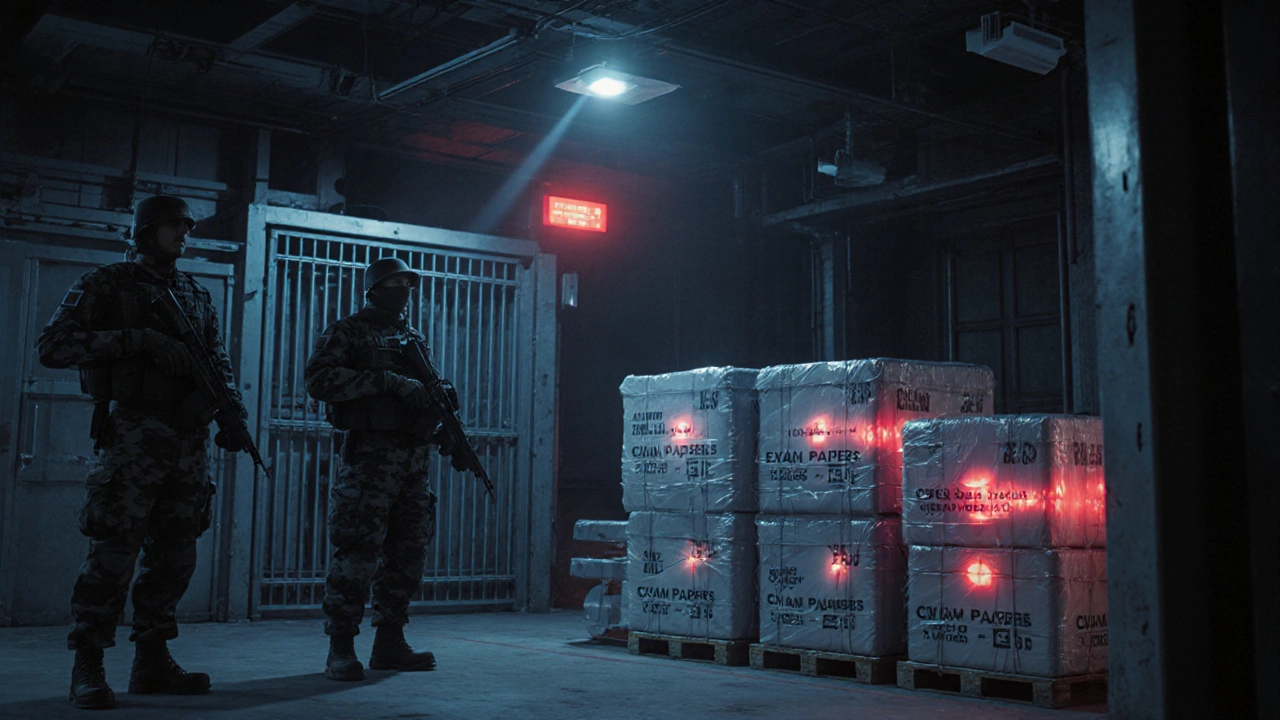
CBSE exam papers aren't identical across India, but they're designed to be equally fair. Learn how the board ensures uniformity in syllabus, difficulty, and grading - no matter where you take the test.
Delhi uses a different CBSE board exam paper. The article reveals why, explores history, fairness, exam security, and tips for students facing Delhi or All India CBSE papers.