Coding Classes: What They Cost, How They Work, and Where to Start
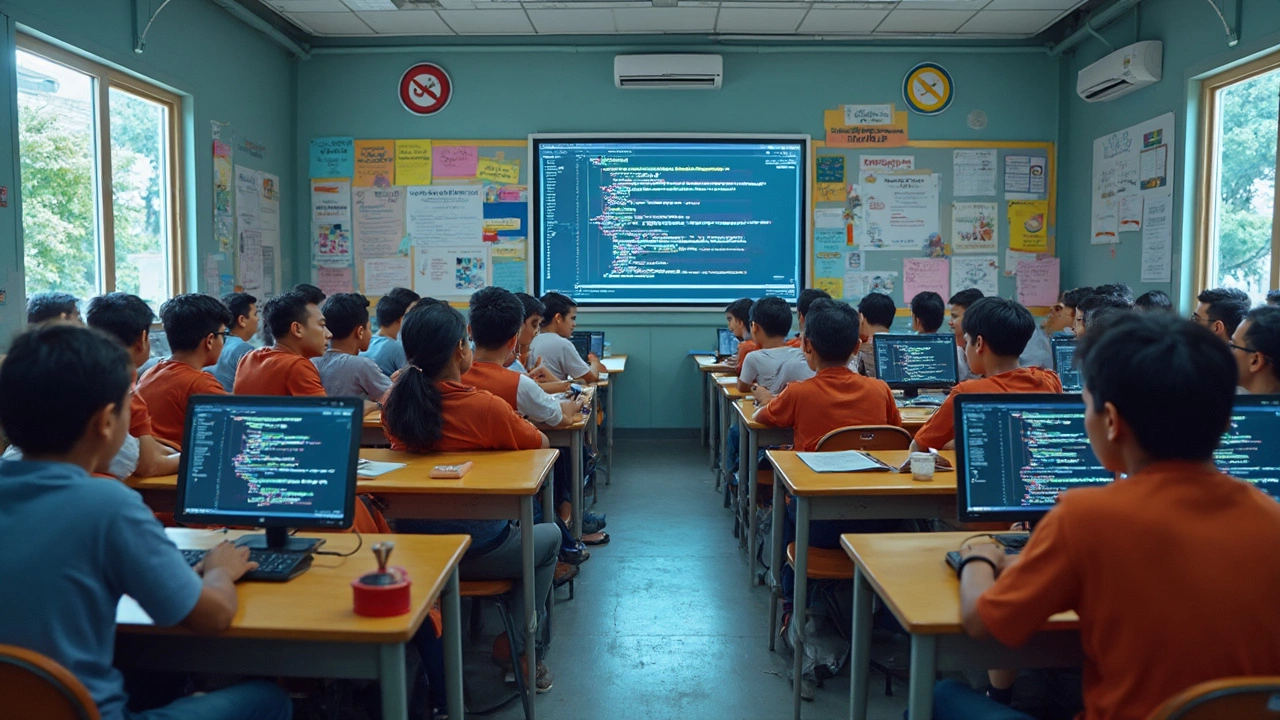
When you sign up for a coding class, a structured course that teaches programming skills, often with hands-on projects and instructor support. Also known as programming classes, it’s one of the most popular ways people break into tech without a computer science degree. Whether you’re looking to switch careers, build a side project, or just understand how apps work, coding classes give you a clear path forward—no prior experience needed.
But not all coding classes are the same. Some cost under $10, others run over $20,000. The difference? It’s not just the price tag—it’s what you get. Free platforms like Khan Academy, a free online learning platform used by millions to learn coding, math, and science teach basics, while coding bootcamps, intensive, short-term training programs designed to prepare students for entry-level developer jobs promise job placement and real-world portfolios. Then there are paid online courses on platforms like Coursera, a digital learning platform offering university-level courses in tech, business, and more, which let you learn at your own pace but rarely guarantee job outcomes. What you’re really paying for is structure, feedback, and connection—not just videos.
And it’s not just about the tools. The best coding classes connect you to a community, give you projects that look good on a resume, and help you build habits that stick. That’s why so many people who start with free tutorials end up in paid programs—they need accountability. If you’re serious about learning to code, you don’t just need a curriculum. You need a system. That’s what the posts below cover: real costs, real results, and the hidden factors that make one coding class work while another leaves you frustrated.
You’ll find answers to questions like: How much should you actually spend? Is a bootcamp worth it if you’re not aiming to be a software engineer? What’s the difference between learning Python for data and learning it for web apps? And why do some people crack coding interviews after six months while others quit after six weeks? The answers aren’t in ads or hype—they’re in the stories of people who’ve been there.
Wondering if coding is tough when you're just starting out? This article breaks down the most common struggles beginners face when jumping into programming. Find out why things can feel confusing, what actually makes coding seem hard, and why almost anyone can learn it if they go about it the right way. Get real tips, relatable examples, and clear advice if you’re thinking about taking your first coding class. Let's tackle the big question: is coding really that difficult for beginners?
Is learning to code the golden ticket for earning a high salary? This article digs into what coding jobs actually pay, how the market is shifting, and what skills boost your chances. Get direct facts about salaries, real-life examples, and tips for maximizing your earning potential. Whether you’re considering coding for the cash or just curious, here’s a clear look at how much coding can really fatten your wallet.
Explore the distinctions between programming and coding in today's tech-driven world. Discover how these terms are used in digital landscapes, learn key differences, and identify tips for beginners to better navigate their learning paths. The article aims to clarify common misconceptions about these closely related yet distinct concepts, making it easier for aspiring developers to get started with confidence.
Wondering if it's too late to dive into the world of coding at 35? You're not alone. Many people are making the leap into tech and finding success. Age is just a number when it comes to learning new skills, especially coding. Here's why you should give it a shot, and how to get started.
Deciding between learning programming or coding can be daunting, but understanding the difference is crucial. Programming involves deeper logic, problem-solving, and system design, while coding is more about translating these ideas into code. Knowing what you're aiming for can help you choose the right path, whether you're looking to build apps, work in tech, or enhance your current skills. This article guides you through the basics and helps you make an informed decision.
Learning to code can feel daunting, but dedicating just one hour a day might be enough to get started. While progress can vary, consistent practice, even in short bursts, can lead to significant improvement. Understanding the best ways to utilize an hour effectively is key. By choosing the right resources and setting clear goals, coding becomes more manageable. Let's explore how one hour a day can transform you into a confident coder.
When it comes to learning a programming language, deciding which to choose can feel overwhelming. With a range of languages each boasting its strengths, selecting the most useful one depends on your goals. From Python’s versatility to JavaScript's dominance in web development, this article provides insights into why these languages stand out, offering practical tips to guide your learning journey.
Nowadays, beginner coders can explore multiple routes to generate income by leveraging their coding skills. With the rise of online learning platforms and freelancing opportunities, even those new to programming can find their niche. From freelancing on platforms like Upwork to creating small-scale projects, the possibilities are vast. Coding bootcamps and online courses offer the necessary foundation and community support. By understanding market needs and choosing appropriate learning paths, beginners can bridge the gap between learning and earning.
The world of coding offers a variety of financial opportunities, with many considering it a lucrative career choice. As technology continues to shape our lives, the demand for skilled coders increases, potentially leading to substantial earnings. However, factors such as skill level, location, and specialization play a crucial role in determining salaries. Understanding these elements can help aspiring coders maximize their earning potential while making informed career decisions.