Free Education in India: What’s Really Available and Who Benefits
When people talk about free education, education offered without direct tuition fees, often supported by government or nonprofit programs. Also known as no-cost learning, it’s not just about skipping the fee—it’s about access, quality, and staying power. In India, the idea of free education sounds simple, but the reality is messy. You’ve got government schools that charge nothing but lack basics like textbooks and clean toilets. Then there are free apps like Khan Academy and YouTube channels that teach IIT JEE math for zero rupees—but only if you have a phone, data, and someone to keep you focused. Free education isn’t a single thing. It’s a patchwork of policies, platforms, and personal hustle.
Most of the free learning happening right now isn’t in classrooms. It’s on eLearning platforms, digital systems that deliver courses, track progress, and offer feedback without needing a physical school. Also known as online learning, they’re powering the real shift in how students prepare for exams like NEET and UPSC. Think of it this way: a kid in Bihar can watch a Physics Wallah video on NEET chemistry for free, while a student in Delhi pays ₹25,000 for a coaching center. Both are learning the same content, but only one has a stable internet connection and a quiet room. That’s the hidden cost of "free." The same goes for CBSE schools, India’s most widespread school board, offering a standardized curriculum that aligns with national competitive exams. Also known as central board schools, they don’t charge fees in government-run branches, but they’re overcrowded, under-resourced, and often fail to give students the individual attention they need to rise above the crowd. Free doesn’t mean easy. It means you’re expected to be self-driven, resourceful, and persistent.
What you’ll find below isn’t a list of free schools. It’s a real look at what free education actually looks like in India today. You’ll see how people cracked IIT JEE in six months using nothing but free apps and YouTube. You’ll learn which online tools are actually worth your time—and which ones are just flashy noise. You’ll get the truth about whether Google Classroom or Coursera’s free tier can replace a coaching center. And you’ll see how students in small towns are beating urban rivals by using free resources smarter, not harder. This isn’t about hope. It’s about strategy. And it’s all happening right now, in quiet corners of the country, one free video at a time.
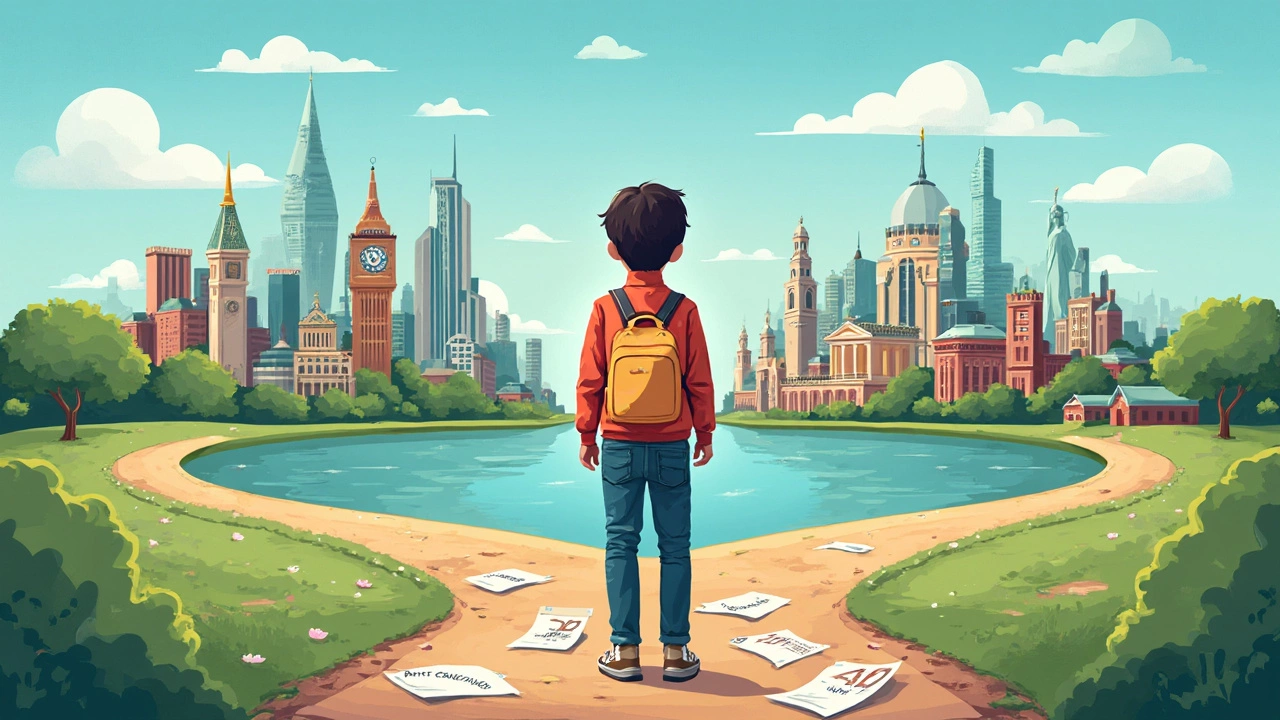
Thinking about studying abroad but worried about the costs? This article explores if it's possible to do it for free or at a low cost. Discover how scholarships, government programs, and cost-effective destinations can make your dream a reality. Understand the hidden costs and get tips on budgeting for an international education without breaking the bank.