Online Teaching: What Works, What Doesn’t, and How to Get Started
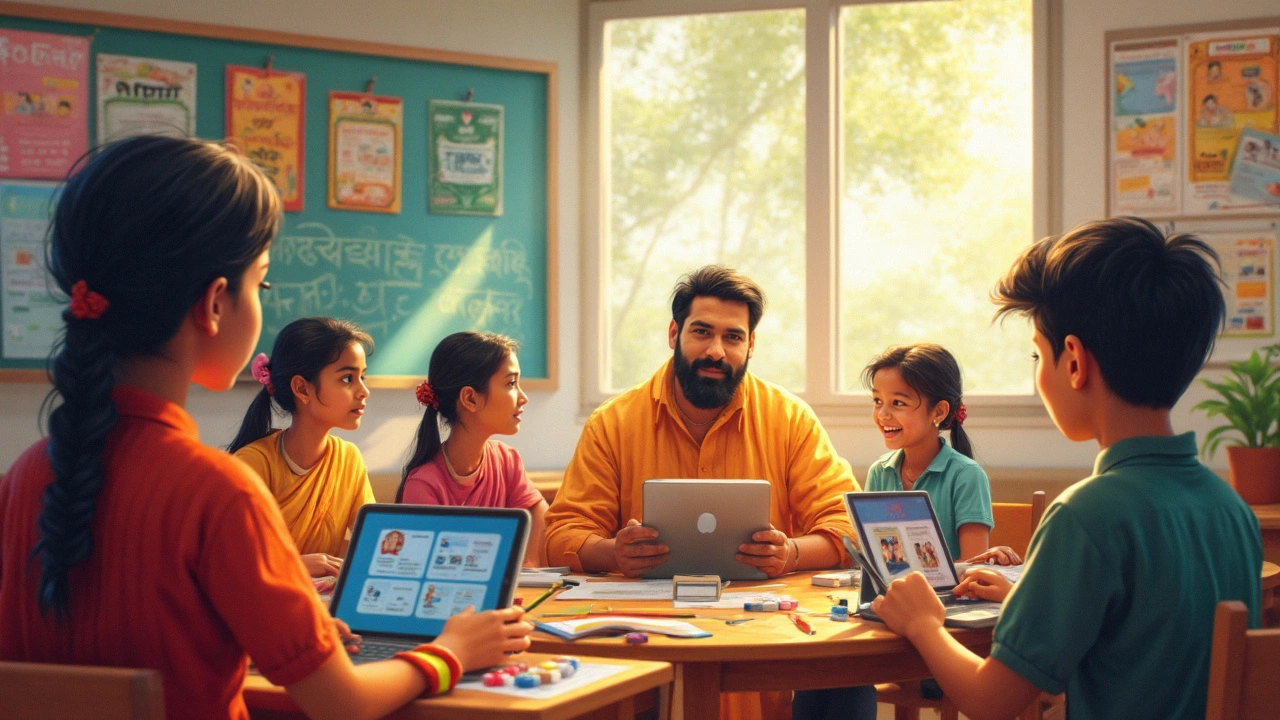
When you think of online teaching, the delivery of education through digital tools and platforms, often without physical classrooms. Also known as remote instruction, it’s no longer just a backup plan—it’s how millions of students in India learn every day. It’s not about recording lectures and uploading them. Real online teaching means interaction, feedback, and adaptation—right from a student’s phone or tablet in a small town.
Successful e-learning platform, a system that hosts, delivers, and tracks educational content online. Also known as learning management system, it’s the backbone of modern education. Tools like Google Classroom, Zoom, and even WhatsApp are used by teachers across India to keep students engaged. But not all platforms are built the same. Some work for urban schools with high-speed internet. Others fail when the connection drops or the device is five years old. The best systems don’t need fancy tech—they work on low bandwidth, simple phones, and minimal data.
digital learning platforms, websites or apps that offer structured courses, videos, quizzes, and progress tracking for students. Also known as online learning platforms, they’re the reason a student in Bihar can study the same physics as one in Bangalore. Sites like Khan Academy and Physics Wallah aren’t just content dumps—they’re built for Indian students: short videos, Hindi explanations, and offline downloads. But here’s the catch: the platform doesn’t teach. The teacher does. A good teacher turns a video into a conversation, a quiz into a challenge, and a dead link into a chance to rethink.
What’s missing in most online teaching? Personal connection. A student won’t stay motivated just because the video is polished. They stay because someone noticed they missed three assignments. Because someone replied to their question at 10 PM. Because their teacher remembered they struggled with fractions last month. That’s what separates good online teaching from just posting content.
You don’t need a degree in tech to do this right. You need to know your students. What devices do they have? What time do they log in? What do they actually understand? The most effective online teachers in India don’t use the latest software—they use what works: voice notes, PDFs shared over WhatsApp, live doubt sessions after school hours. They adapt.
And it’s not just for schools. From UPSC aspirants using YouTube to learn polity, to NEET students watching Physics Wallah on their parents’ phones, online teaching is reshaping how India learns. The tools are everywhere. But the real magic happens when someone cares enough to make it work, even when the Wi-Fi fails.
Below, you’ll find real stories, practical guides, and honest reviews from teachers and students who’ve been through it—all the wins, the struggles, and the simple tricks that actually made a difference.
Is Google Classroom actually free for teachers and students? This article digs into what features you can use without paying a dime, and where Google starts charging. Get the facts on how Google Classroom compares to other platforms, how schools set things up, and what you need to know about privacy, data, and hidden costs. You’ll learn if its free version fits your classroom or learning goals, plus real-world tips to get started fast.
Online teaching has seen a boom, with educators worldwide looking to maximize their earnings. This article explores e-learning platforms that offer competitive compensation, delving into which subjects or skills are in demand. Find out tips to choose the right platform that matches your expertise and goals. Discover the high-demand areas you can focus on to improve your earning potential.