Teacher Training: What Works, What Doesn't, and How to Get Better
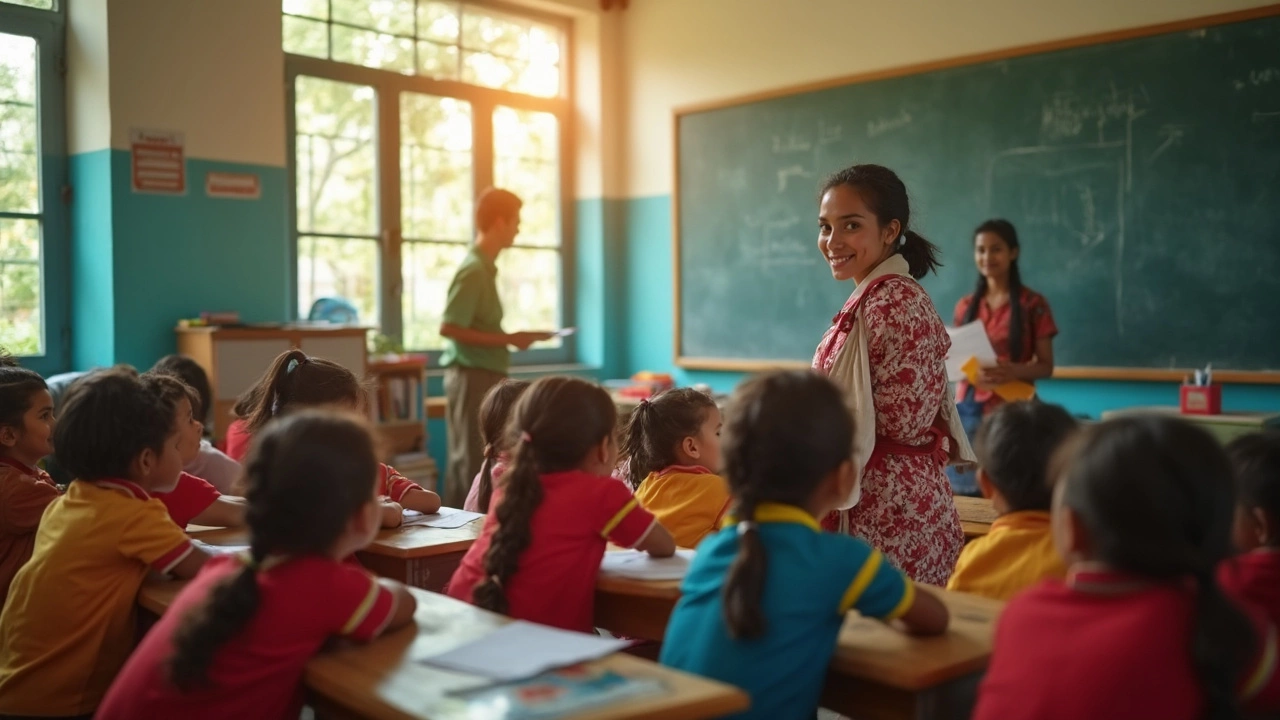
When we talk about teacher training, the structured process of helping educators improve their skills, classroom methods, and student engagement. Also known as professional development, it's not just about attending a seminar once a year—it's what turns good teachers into great ones. In India, where classrooms often have 50+ students and resources are stretched thin, teacher training isn't optional. It's the difference between a child learning to read and falling behind for good.
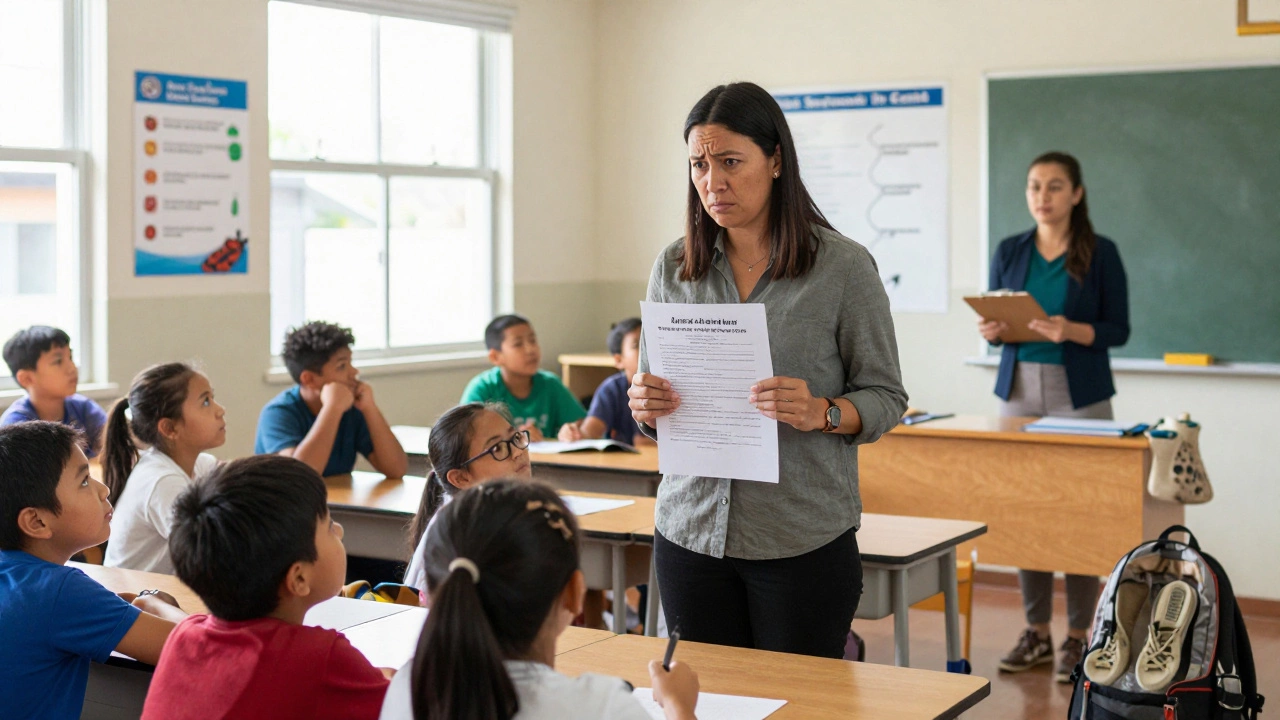
Good teacher training doesn’t focus on theory alone. It’s hands-on. It’s watching a veteran teacher handle a disruptive student, then trying it yourself with feedback. It’s learning how to use free tools like Google Classroom to track progress, or how to adapt lessons for kids who speak a different language at home. It’s not about memorizing pedagogy jargon—it’s about solving real problems: a student who won’t speak up, a lesson that falls flat, or a curriculum that feels disconnected from life outside school.
What’s missing in many training programs? Follow-up. One-day workshops don’t change teaching habits. Real change happens when teachers get ongoing support—peer coaching, video reviews of their own lessons, or access to mentors who’ve been in their shoes. In India, where state boards, CBSE, and ICSE schools all have different needs, training must be flexible. A teacher in rural Bihar needs different tools than one in a metro city coaching for JEE or NEET. The best training doesn’t tell teachers what to do—it helps them figure out what works for their students.
And it’s not just about subject knowledge. The most effective teachers know how to manage behavior, build trust, and keep kids motivated—even when the power’s out or the textbook is missing. That’s why classroom management, the set of strategies teachers use to create a productive, respectful learning environment is just as important as teaching math or English. And education system India, the complex network of boards, schools, and policies that shape how learning happens across the country doesn’t fix this by itself. It’s up to schools, districts, and teachers to push for better training.
Below, you’ll find real stories and practical guides from teachers who’ve turned bad training into real progress. Some cracked the code on student engagement. Others figured out how to teach coding or English without expensive tools. These aren’t theory pieces—they’re battle-tested tips from people who show up every day, in classrooms that don’t always cooperate.
A teacher in training is someone learning to become a certified educator through university study and real classroom experience. It’s demanding, emotional, and deeply rewarding work.
Curious what a teacher trainee really does all day? This article breaks down the real tasks and challenges teacher trainees handle in and out of the classroom. From actual teaching practice to observing skills and handling feedback, get a no-nonsense view of what to expect. You’ll also pick up some smart tips for surviving and thriving in the early days of teaching. Whether you’re looking into teacher training or just want to know what really happens behind the scenes, this article has you covered.
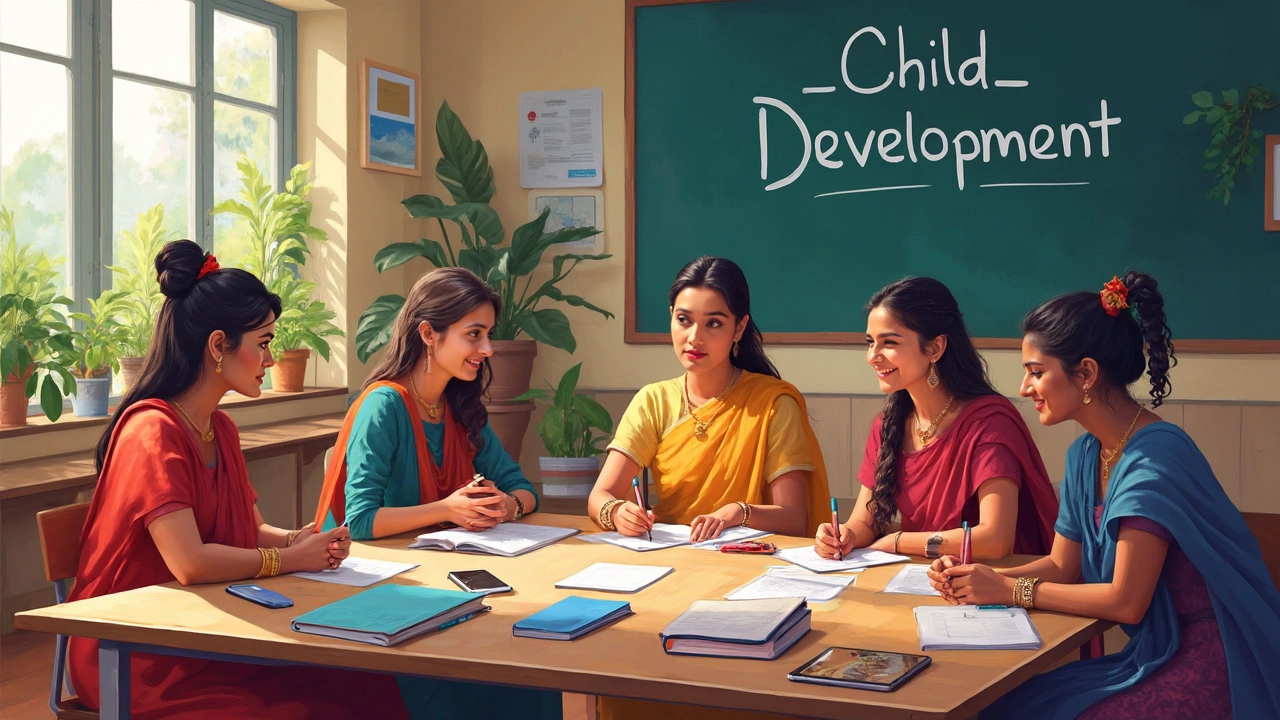
Teacher training schools, often called education schools or teaching colleges, are the backbone of future educators. These institutions equip aspiring teachers with the skills and knowledge they need to thrive in classrooms. From understanding child development to mastering classroom management, these schools are essential in shaping effective educators. Let's dive into what sets these schools apart and why they're crucial for today's educational landscape.