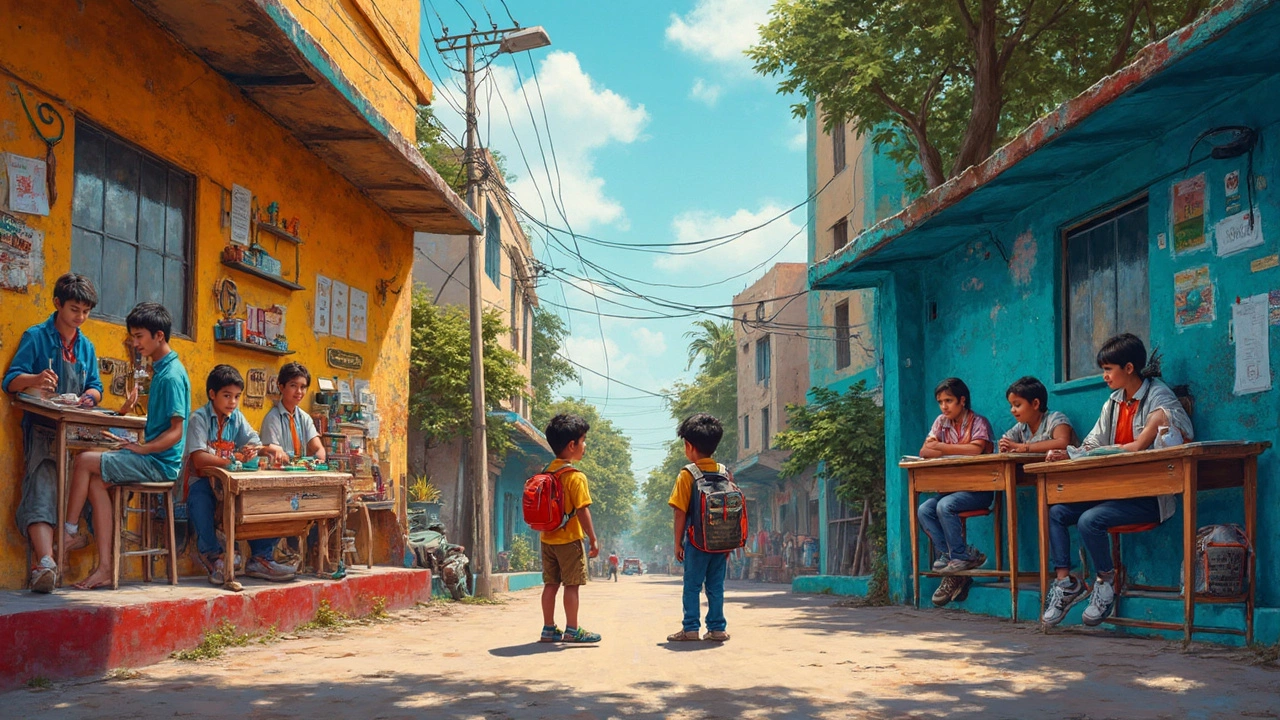
Vocational Courses: Practical Skills That Lead to Real Jobs
When you think of education, you might picture classrooms, textbooks, and exams—but vocational courses, hands-on training programs that prepare people for specific trades and jobs. Also known as skill-based training, they focus on doing, not just knowing. These aren’t theoretical. You learn to fix engines, wire buildings, cook meals for restaurants, code apps, or operate medical equipment—all while getting paid or earning credits. In India, where millions need jobs that don’t require a degree, vocational courses are turning students into skilled workers faster than traditional paths ever could.
Vocational courses don’t just teach you how to do a job—they connect you to the job itself. Many programs partner with local industries, so you train on real tools, in real workplaces, and sometimes even get hired before you finish. apprenticeship, a system where you learn a trade by working under experienced professionals. Also known as on-the-job training, it’s one of the most effective ways to build skills that employers actually want. You’ll see this in posts about welding, electrician training, nursing assistants, and digital marketing—skills that pay well and are always in demand. And unlike university degrees, which can take years and leave you with debt, many vocational programs cost less than a laptop and take under a year to complete.
These courses work for people at every stage. A high school graduate who doesn’t want to sit through four years of lectures? Vocational training opens doors. A parent looking to switch careers after 30? There’s a course for that. Even students preparing for competitive exams like JEE or NEET can take short-term vocational classes in coding or digital literacy to build side skills that boost their resume. The real advantage? You walk out with something tangible: a certificate, a portfolio, or even your first paycheck.
What you’ll find here are real stories and practical guides—how to pick the right course, which ones actually lead to jobs, what to expect in training, and how to avoid scams. You’ll see how digital platforms like Coursera and Google Classroom are making these skills easier to access, even in small towns. You’ll learn what employers look for in vocational hires, and why some of the fastest-growing jobs in India don’t require a degree at all. This isn’t about replacing college—it’s about giving people better options.
Vocational education in school means learning real job skills like plumbing, cooking, or IT support while still in high school. It's hands-on, practical, and prepares students for careers-not just exams.
Understanding the difference between vocational and educational paths is crucial for making informed career decisions. Vocational courses focus on hands-on skills and specific job training, while education emphasizes broad academic knowledge. Both have unique benefits and can cater to different career goals. Whether you're aiming for direct entry into the workforce or seeking an academic degree, knowing these distinctions helps tailor your path.