UPSC Success Probability Calculator
Enter Your Details
Your Results
There’s no single exam that everyone agrees is the hardest-but if you ask thousands of students, teachers, and former test-takers from across the globe, one name keeps rising to the top: the UPSC Civil Services Examination in India. It’s not just hard because of the content. It’s hard because of what it demands: time, mental stamina, emotional resilience, and near-perfect consistency over months, sometimes years.
Why the UPSC Civil Services Exam Stands Out
The UPSC exam isn’t a single test. It’s a three-stage gauntlet: Preliminary, Mains, and the Personality Test (interview). Each stage filters out more than 90% of candidates. In 2024, over 1.3 million people applied. Only 1,200 got selected. That’s less than 0.1% success rate. For comparison, Harvard’s acceptance rate is around 4%.
The syllabus? It covers everything from ancient Indian history and constitutional law to international relations, economics, and environmental science. You’re expected to know current events in detail-not just headlines, but policy implications, historical context, and global impact. One candidate told me he spent 10 months memorizing the names and tenure of every Chief Justice of India since 1950.
There’s no multiple-choice safety net. The Mains exam is all descriptive. You write 9 papers over five days. Each answer must be structured, well-researched, and written in clear, formal Hindi or English. Spelling errors, poor handwriting, or weak argumentation can cost you a seat-even if your content is solid.
How It Compares to Other ‘Hard’ Exams
People often mention the Gaokao in China, the IIT JEE for engineering, or the MCAT for medical school. All are brutal. But they differ in one key way: they’re mostly one-time events with predictable patterns.
The Gaokao is a three-day, 9-hour marathon. Over 12 million students take it every year. A single point can decide whether you get into Tsinghua University or a regional college. But the syllabus is fixed. You train for known topics. Memorize formulas. Drill past papers. It’s intense, but it’s a sprint.
The IIT JEE Advanced is known for its mind-bending math and physics problems. Only the top 25,000 from JEE Main qualify. Success rates hover around 0.5%. But again, the pattern is repeatable. Coaching centers have cracked the code. Students train for years using standardized materials. There’s a path-even if it’s grueling.
The MCAT tests science knowledge and critical thinking. It’s long, complex, and expensive. But it’s multiple-choice. You can study from prep books, take practice tests, and improve your score with targeted effort. The UPSC doesn’t work that way. You can’t just memorize. You have to think like a policymaker.
The Bar Exam in the U.S. has pass rates as low as 40% in some states. But it’s focused on legal knowledge. You don’t need to know how to draft a national budget or analyze rural development schemes. The UPSC does.
What Makes the UPSC So Different?
Most exams test what you know. The UPSC tests who you are.
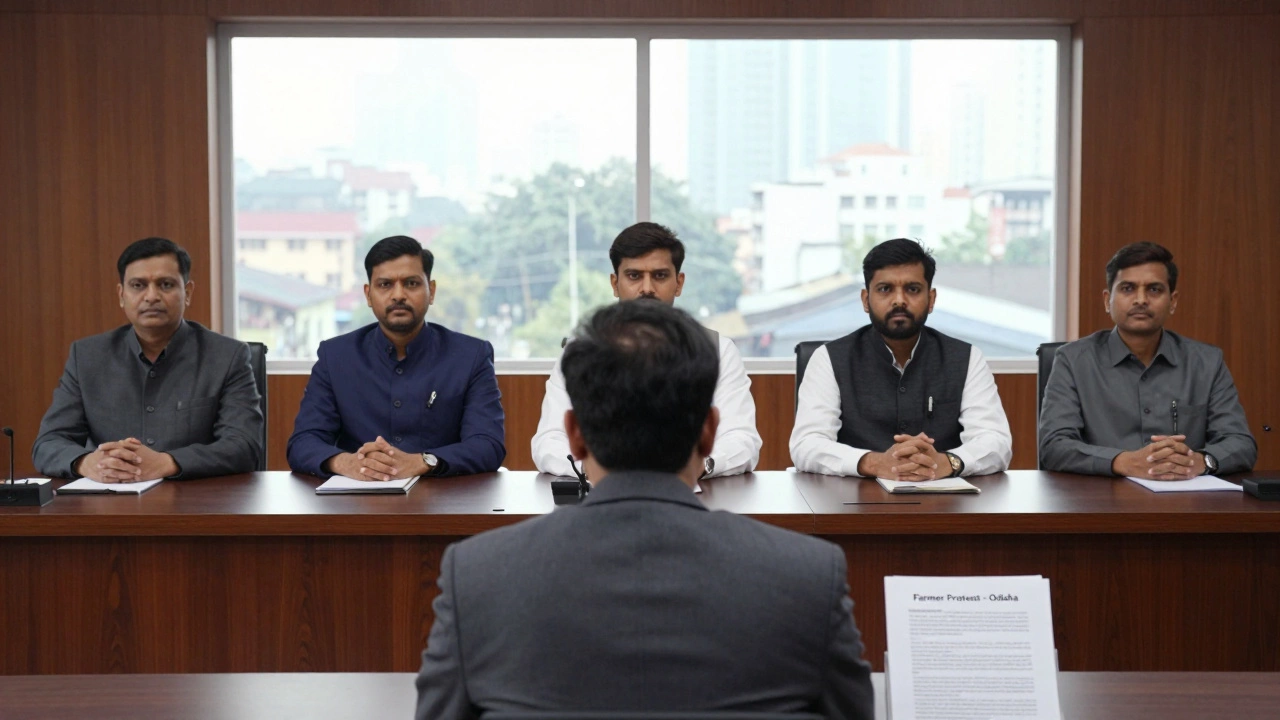
The interview round isn’t about reciting facts. It’s about your perspective. A candidate might be asked: “How would you handle a farmer protest in Odisha triggered by a new land acquisition law?” There’s no textbook answer. The panel wants to see if you understand local culture, economic pressures, legal rights, and political sensitivity-all at once.
There’s no syllabus for personality. You can’t prepare for how you’ll react under pressure. One candidate was asked: “If you were the last person on Earth, what would you do?” Another was questioned about their opinion on the ethics of artificial intelligence in public service.
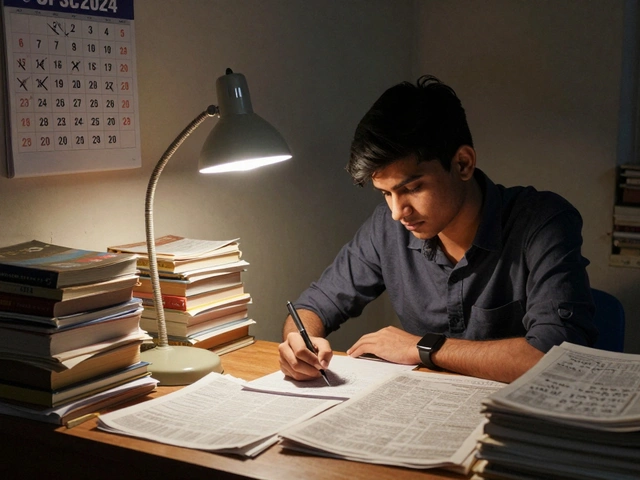
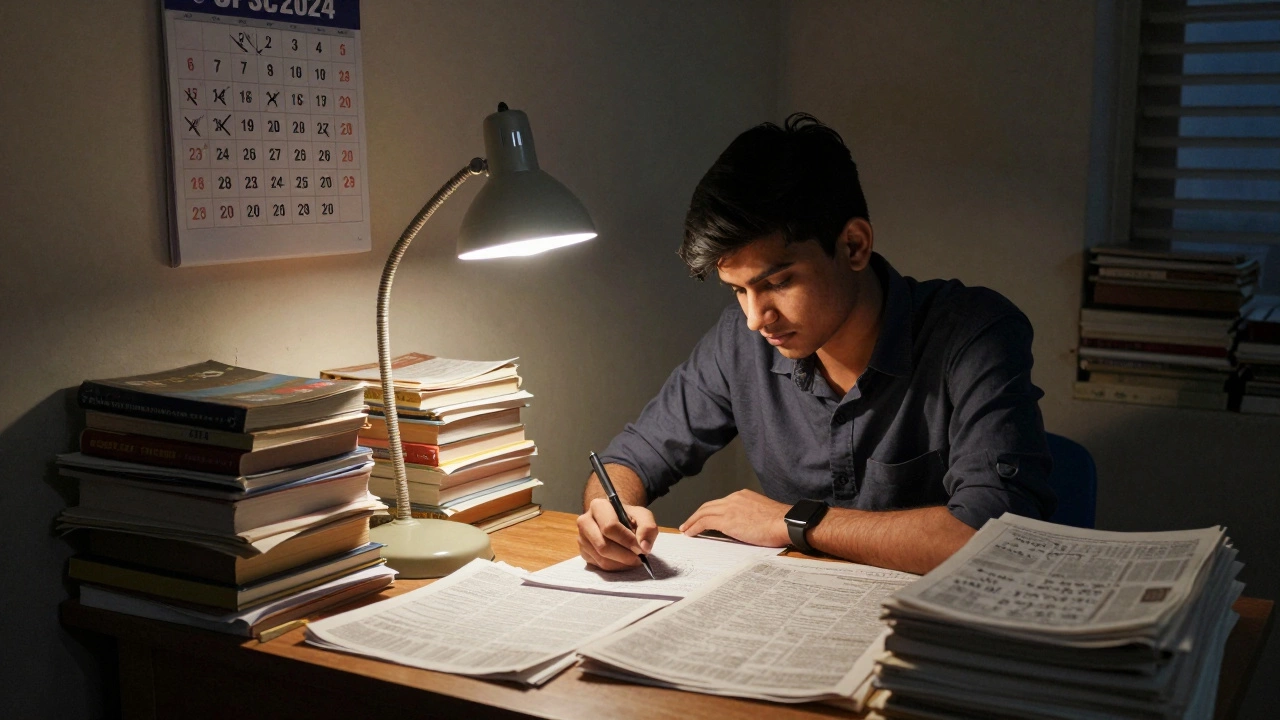
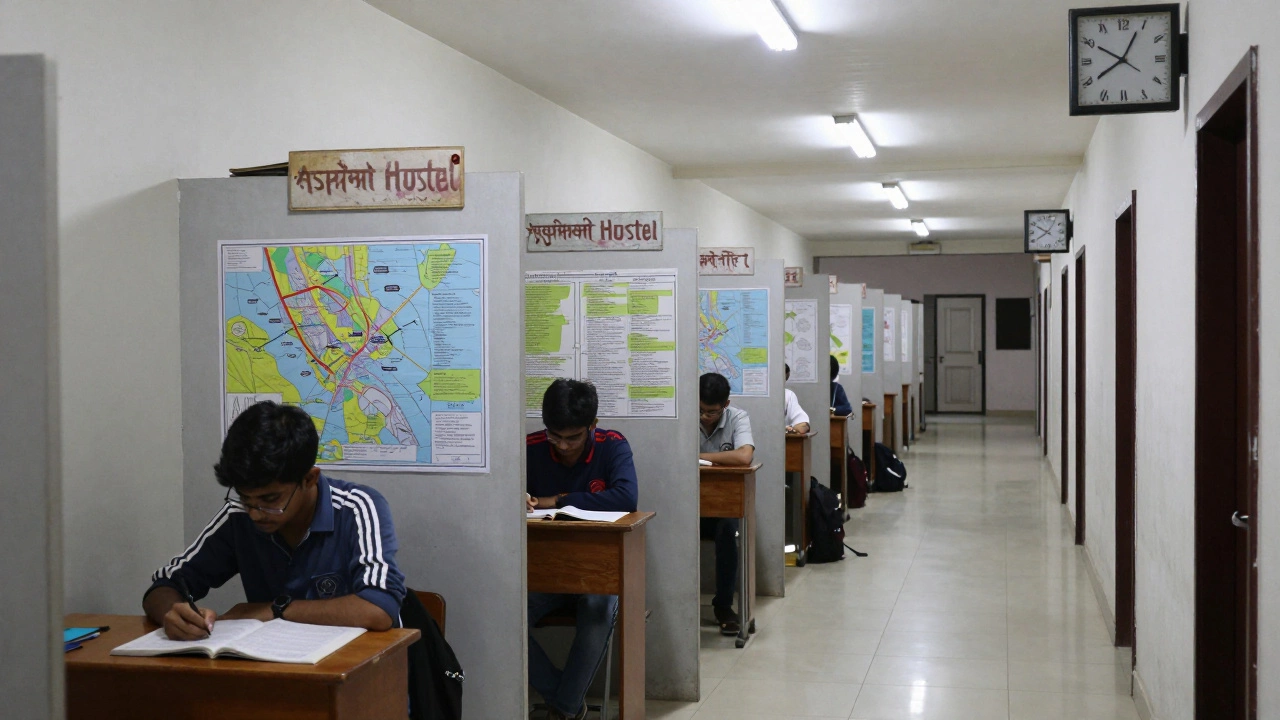
And the preparation? Most aspirants quit their jobs. Some sell their homes. They move to Delhi or Patna, live in small rooms with 4-5 other aspirants, and study 12-16 hours a day for 1-3 years. Many take the exam 3, 4, or even 7 times before clearing it.
The Human Cost
Behind every selected candidate are hundreds who didn’t make it. Depression, anxiety, family pressure, and financial strain are common. In 2022, a 24-year-old aspirant from Uttar Pradesh died by suicide after failing for the third time. His note read: “I couldn’t make my parents proud.”
There’s no safety net. No backup plan. In many rural households, the entire family’s savings go into one child’s UPSC dream. There’s no “I’ll try again next year” if you’re 30 and have no income. The clock ticks. Age limits are strict. You get only 6 attempts if you’re from the general category. Four if you’re OBC. Three if you’re SC/ST.
Is It Really the Toughest?
Some will argue the Gaokao is harder because of sheer volume. Others say the IIT JEE is more intellectually demanding. The MCAT? The CFA Level III? The Japanese National University Entrance Exam?
But here’s the thing: toughness isn’t just about difficulty. It’s about how much you’re asked to sacrifice, how little margin for error you have, and how long you’re expected to endure uncertainty.
The UPSC doesn’t just test knowledge. It tests your will. Your patience. Your belief in a system that rarely rewards effort with immediate results. It’s not a test you take. It’s a life you live for years.
What You Need to Know Before You Start
If you’re thinking about taking the UPSC, here’s what actually matters:
- You need a strong foundation in Indian history, geography, polity, and economics-not just facts, but how they connect.
- Read newspapers daily. The Hindu and Indian Express are non-negotiable. Don’t skim. Annotate.
- Practice writing answers every day. Get feedback. Your handwriting matters.
- Build a network of serious aspirants. Isolation kills motivation.
- Prepare for failure. Most people fail multiple times. That’s normal.
- Don’t quit your job unless you have savings. Many clear it while working full-time.
There’s no shortcut. No magic book. No coaching center that guarantees success. Only persistence. Only discipline. Only the quiet, daily choice to show up-even when no one’s watching.
What Comes After?
Those who clear the UPSC become IAS, IPS, IFS officers. They run districts, lead police forces, represent India abroad. They make decisions that affect millions.
But the real reward isn’t the title. It’s the fact that you survived the process. You didn’t just learn facts. You learned how to think, how to lead, how to carry responsibility without the safety of a textbook.
That’s why, for many, the UPSC isn’t just the toughest exam. It’s the most transformative experience of their lives.
Is the UPSC the hardest exam in the world?
By most measures-success rate, preparation time, syllabus breadth, and psychological toll-the UPSC Civil Services Examination is widely considered the toughest. With a success rate under 0.1%, a multi-year preparation cycle, and no guaranteed outcome even after years of effort, it stands apart from other high-stakes exams.
How does the UPSC compare to the Gaokao?
The Gaokao has more participants and higher pressure in terms of immediate life outcomes, but its syllabus is fixed and predictable. The UPSC demands broader knowledge, critical analysis, and long-term consistency over multiple stages. Gaokao is a sprint; UPSC is a marathon with no finish line in sight.
Can someone clear the UPSC without coaching?
Yes. Many top rankers have cleared the exam without joining any coaching institute. Success depends more on self-discipline, access to reliable study material (like NCERT books and newspapers), and consistent answer-writing practice. Coaching helps, but it’s not a requirement.
What’s the average age of someone who clears the UPSC?
The average age of successful candidates is around 27-29 years. Many are in their late 20s or early 30s because they often take multiple attempts. Some clear it on their first try, but most need 2-4 attempts.
Is the UPSC harder than the IIT JEE?
IIT JEE is more technically difficult in math and physics, but UPSC is harder in scope and endurance. JEE tests problem-solving under time pressure. UPSC tests your ability to synthesize information, write clearly, and think like a public administrator over years. The mental load is different-and often heavier.
Do people fail the UPSC because they’re not smart enough?
No. Most failures come from poor strategy, lack of feedback on answer writing, inconsistency in preparation, or burnout. Intelligence matters, but persistence, adaptability, and emotional resilience matter more. Many brilliant candidates fail because they treat it like a college exam instead of a life-long commitment.
Final Thought
If you’re asking which exam is the toughest, you’re probably wondering if it’s worth it. The answer isn’t in the statistics. It’s in the stories of those who kept going-even when no one believed in them. The UPSC doesn’t just pick the smartest. It picks the ones who refused to quit.