What Are the 7 Steps of Coding? A Clear Guide for Beginners
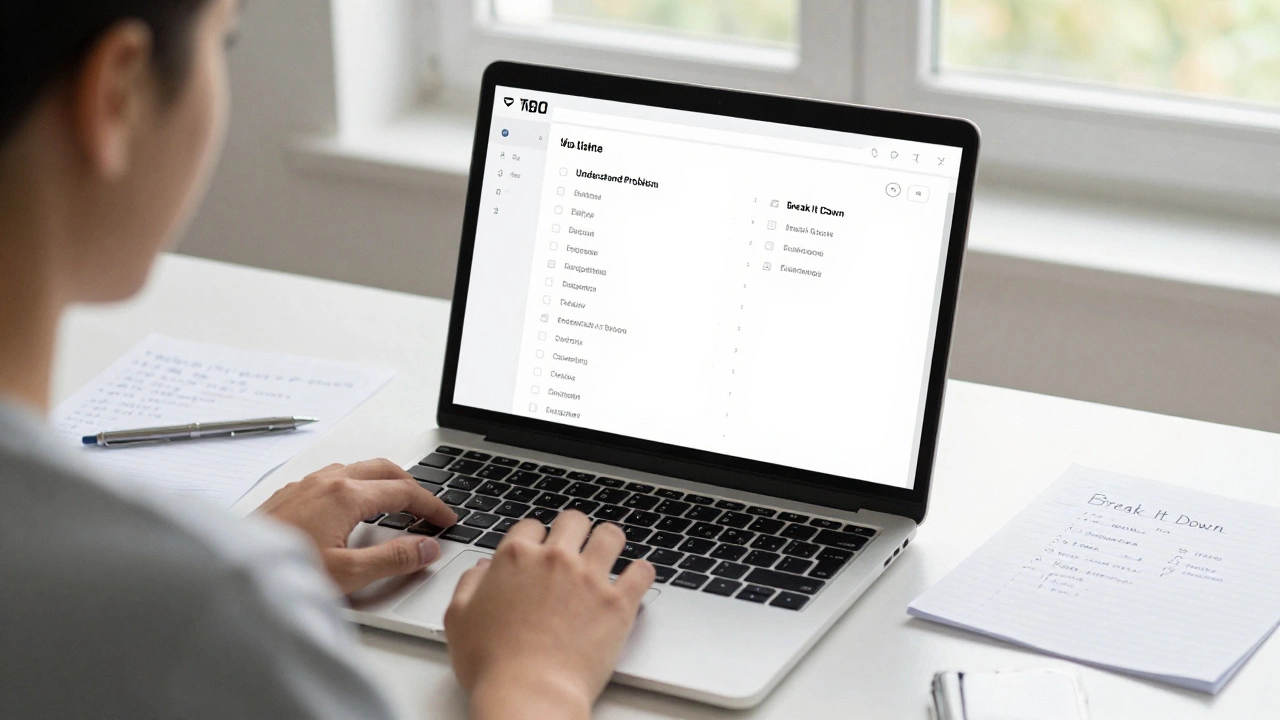
Learn the 7 clear steps of coding that turn beginners into builders. No fluff, no jargon-just a practical path to writing your first working program.
Continue reading...When you begin coding for beginners, the process of writing instructions computers understand to build apps, websites, or tools. Also known as learning to program, it’s not about memorizing syntax—it’s about solving problems step by step. You don’t need a computer science degree. You don’t need to be a math genius. You just need to start doing, not just watching videos or reading theory.
Most people who succeed in coding start with something simple: a website that changes color when clicked, a calculator that works, or a to-do list that saves. That’s where online coding classes, structured lessons delivered over the internet, often with hands-on exercises and feedback come in. They’re not magic, but they give you a path. And they’re cheap—or even free. Platforms like Khan Academy, a free educational site used by millions to learn everything from basic math to JavaScript or Coursera, a platform offering courses from universities and companies, often with certificates let you try before you pay. You can learn the basics of programming for beginners, the foundational skills needed to write code without prior experience in under a week if you spend just 30 minutes a day.
What trips people up isn’t the code—it’s the overwhelm. They jump into Python because it’s popular, or try to build an app before they know what a variable is. The truth? Start with HTML and CSS. They’re visual. You see the result right away. Then move to JavaScript. That’s the sequence most successful beginners follow. You don’t need to know every language. You need to know how to learn one well. And once you do, you’ll realize coding is less about being smart and more about being stubborn. It’s about trying, failing, fixing, and trying again.
There’s no single "right" way to start, but there are plenty of wrong ones. Buying a $2,000 bootcamp before you’ve written your first line of code? That’s a gamble. Spending hours on YouTube without a plan? That’s noise. The best path is simple: pick one tool, stick with it for 30 days, build one small thing, then move to the next. That’s how people go from zero to hired.
What you’ll find below are real stories, honest cost breakdowns, and clear steps from people who’ve walked this path. No fluff. No hype. Just what works when you’re starting from scratch.
Learn the 7 clear steps of coding that turn beginners into builders. No fluff, no jargon-just a practical path to writing your first working program.
Continue reading...
Wondering if coding is tough when you're just starting out? This article breaks down the most common struggles beginners face when jumping into programming. Find out why things can feel confusing, what actually makes coding seem hard, and why almost anyone can learn it if they go about it the right way. Get real tips, relatable examples, and clear advice if you’re thinking about taking your first coding class. Let's tackle the big question: is coding really that difficult for beginners?
Continue reading...