
Career Path Comparison Tool
Your Priorities
Select what matters most to you in your next role.
Ready to Compare
Adjust your preferences on the left and click "Analyze My Fit" to see which sector aligns best with your goals.
You’ve probably seen the memes. The viral tweets claiming that certain jobs involve mostly sitting around while the paycheck keeps growing. It’s tempting to believe there’s a secret list of positions where you can do almost nothing and still earn a six-figure salary. But if you’re looking for stability, respect, and a genuine work-life balance without burning out, you need to look past the internet myths.
The reality is slightly different. There is no job where you are paid to be lazy. However, there are roles-particularly in the public sector and government administration-where efficiency is rewarded over excessive hours. These positions offer strong salaries, comprehensive benefits, and predictable schedules because they value output and compliance rather than face-time.
If you are preparing for competitive exams like the UPSC or state-level civil services, understanding which roles offer this balance can change your strategy. You aren’t just studying for a job; you are studying for a lifestyle. Let’s break down what these roles actually look like, why they pay well, and how you can position yourself to land them.
Redefining "Lazy" as Efficient
First, let’s clear up a misconception. When people ask for the "laziest" job, they usually mean a role with low stress, minimal overtime, and clear boundaries between work and home life. In the corporate world, high pay often comes with high anxiety. In government and public administration, high pay often comes with seniority, expertise, and strict adherence to labor laws.
Efficiency is key here. A policy analyst who understands regulations can solve problems in two hours that might take an inexperienced worker two days. This isn’t laziness; it’s competence. The government pays for results and integrity, not for how many hours you sit at your desk staring at a spreadsheet. If you master the systems, you free up your time. That’s the goal.
Top Government Roles With High Pay and Low Stress
Not all government jobs are created equal. Some roles, like emergency response or field inspection, are physically demanding and stressful. Others, however, are primarily administrative, analytical, or regulatory. These tend to offer the best balance. Here are three categories to focus on during your civil services preparation.
- Regulatory Compliance Officers: These professionals ensure that organizations follow laws and regulations. The work is largely desk-based, involving reviewing documents, conducting audits, and writing reports. Once you know the rules inside out, the job becomes routine and manageable. Salaries are strong because the stakes are high-if mistakes happen, companies get fined.
- Public Policy Analysts: This role involves researching data, writing reports, and advising government officials on potential impacts of new laws. It requires deep thinking but rarely involves physical exertion or late-night emergencies. It’s intellectual work that respects your personal time.
- Administrative Service Executives: After clearing exams like the UPSC, candidates often join the Administrative Service. While entry-level posts can be busy, mid-to-senior level roles involve decision-making and oversight rather than manual execution. The prestige and pay scale are significant, and the schedule is generally standard.
Why Government Jobs Offer Better Work-Life Balance
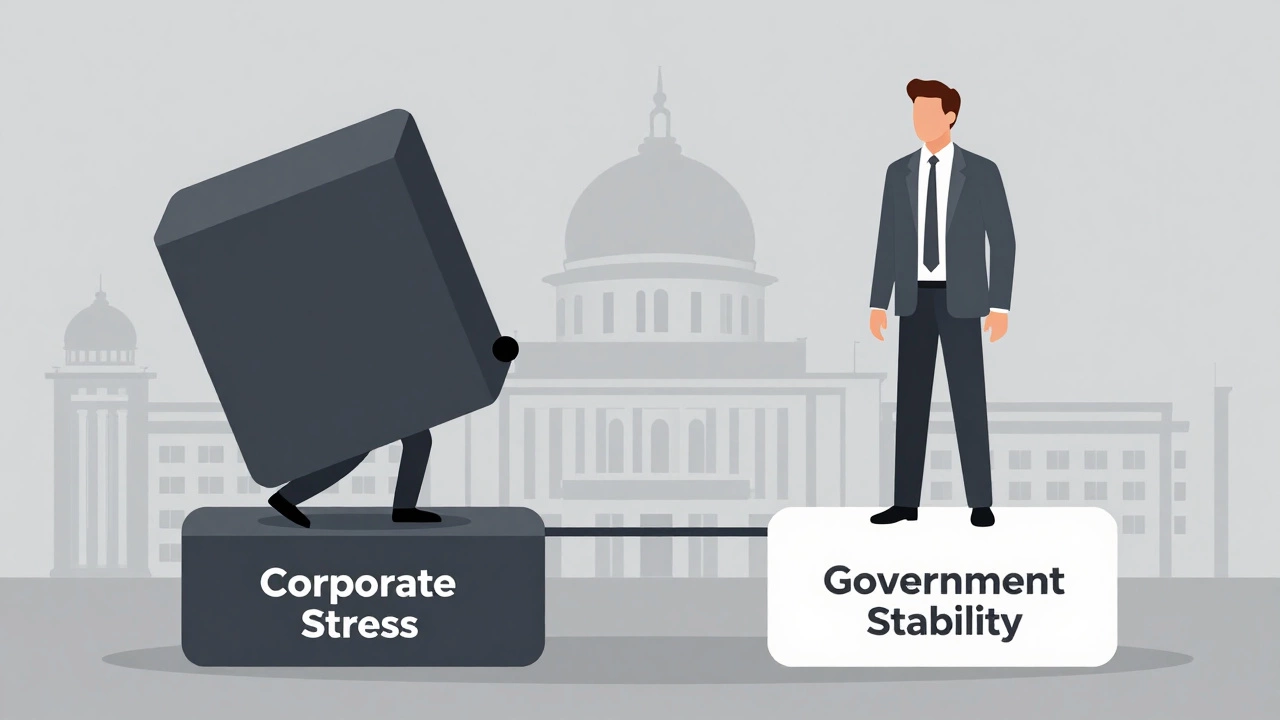
You might wonder why private tech companies don’t offer this same balance for similar pay. The answer lies in structure. Private companies operate on profit margins and shareholder pressure. They often expect employees to be available 24/7. Government agencies operate on public service mandates and strict budget cycles.
In the public sector, labor laws are strictly enforced. Overtime is often mandatory to compensate for extra hours, which discourages managers from assigning unnecessary weekend work. Furthermore, job security is higher. You aren’t worried about being laid off because quarterly profits dipped by 2%. This psychological safety reduces stress significantly, making the job feel "easier" even when the workload is moderate.
| Feature | Corporate Sector | Government/Public Sector |
|---|---|---|
| Work Hours | Flexible but often blurred (9-10+ hours) | Strict (8-9 hours, fixed start/end) |
| Overtime Culture | Often expected without extra pay | Compensated or discouraged |
| Job Security | Low to Moderate (performance-based) | High (tenure-based) |
| Stress Source | Profit targets, deadlines | Compliance, public scrutiny |
| Benefits | Variable (stock options, bonuses) | Standardized (pension, healthcare, leave) |

The Preparation Reality Check
Here is the catch: getting into these "easy" jobs is hard. The irony is that the path to a relaxed, high-paying career often starts with one of the most intense study periods of your life. Competitive exam preparation for roles like Civil Services or Public Service Commission tests requires months, sometimes years, of disciplined study.
You cannot shortcut this. The exams test general knowledge, analytical ability, ethics, and subject-specific expertise. Thousands apply for a few hundred seats. So, while the job itself may allow you to leave at 5 PM every day, getting there demands total focus. Think of it as front-loading the effort. You work incredibly hard for two years to secure a comfortable decade.
Strategies to Land These Roles
If you are serious about this path, you need a smart approach to your exam strategy. Don’t just read books; understand the system.
- Choose the Right Cadre: Not all departments are equal. Research which ministries or departments have reputations for reasonable workloads. Avoid field-heavy roles if your priority is office-based efficiency.
- Master the Syllabus: Focus on high-yield topics. In exams like UPSC, current affairs and essay writing carry significant weight. Prioritize these over obscure historical dates unless required.
- Practice Mock Tests: Time management is crucial. The ability to answer questions quickly and accurately mirrors the efficiency you’ll need in the job itself.
- Network Early: Talk to people already in these roles. Ask them about their daily routine. Are they truly leaving early? Do they handle emergencies? Real-world insights beat generic advice every time.
Long-Term Career Growth
One advantage of government roles is the structured promotion ladder. You don’t have to fight for visibility in a crowded open-plan office to get a raise. Promotions are often based on tenure and performance evaluations. This predictability allows you to plan your life-buying a house, raising children, pursuing hobbies-without constant career anxiety.
Additionally, the skills you gain in policy analysis, regulation, and public administration are transferable. If you ever decide to leave the public sector, these skills are highly valued in consulting firms, non-profits, and international organizations. Your experience isn’t wasted; it’s versatile.
Avoiding the Burnout Trap
Even in "low-stress" jobs, burnout can happen. It usually stems from boredom or lack of purpose. To keep your mind sharp and engaged, use your free time wisely. Pursue certifications, learn new languages, or engage in community projects. The goal isn’t to be idle; it’s to be autonomous. When you control your time, you create value outside of work, which makes the job feel less like a burden and more like a foundation.
Remember, the "laziest" job is a myth. The best job is one that aligns with your values, respects your time, and compensates you fairly. In the government sector, such roles exist, but they require discipline to access. Start preparing today, and build the career that gives you the freedom you deserve.
What is the highest paying government job with the least stress?
Roles like Senior Policy Analyst, Regulatory Compliance Officer, and certain Administrative Service positions often offer high pay with manageable stress levels. These roles rely on expertise and adherence to procedure rather than physical demand or constant crisis management.
Is it true that government jobs have better work-life balance than private sector jobs?
Generally, yes. Government jobs typically enforce strict working hours, provide generous leave policies, and offer higher job security. Private sector roles often blur the lines between work and personal time due to profit-driven pressures.
How difficult is it to get into these high-paying government roles?
Very difficult. Entry usually requires passing rigorous competitive exams like the UPSC or state-level civil services tests. The selection process is highly competitive, requiring months or years of dedicated study and preparation.
Can I switch from a corporate job to a government role later in my career?
Yes, but it depends on the specific role. Some government positions hire experienced professionals through direct recruitment or contract roles. However, traditional civil service roles usually require entry through competitive exams, which may have age limits.
What skills are most important for success in low-stress government jobs?
Key skills include attention to detail, strong written communication, analytical thinking, and familiarity with legal or regulatory frameworks. Efficiency and the ability to manage time effectively are also crucial for maintaining a good work-life balance.