Education in India: CBSE, ICSE, Vocational Training, and More
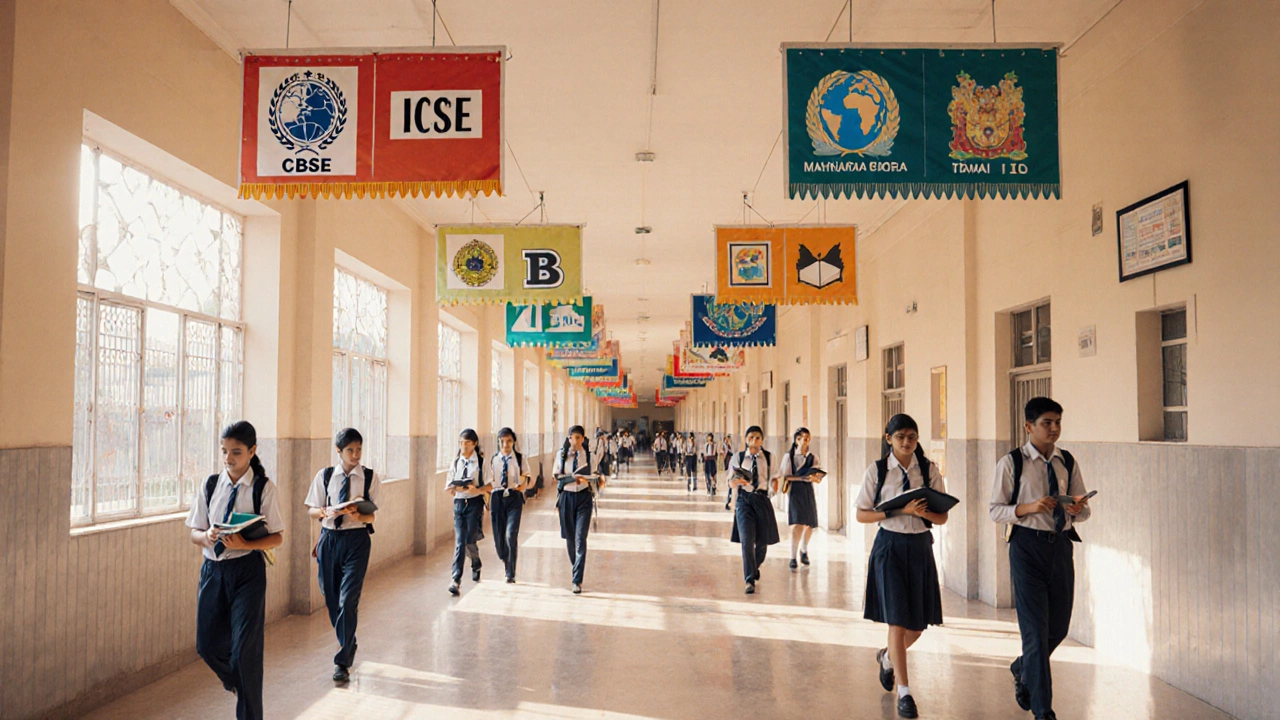
When you think about education in India, the system that shapes how millions of students learn, prepare for exams, and choose their careers. Also known as Indian schooling system, it’s not one single path—it’s a mix of boards, budgets, and choices that change everything from daily homework to job prospects. At the heart of it all is the CBSE, the Central Board of Secondary Education, which runs exams for over 20,000 schools across India and abroad. Also known as Central Board, it’s the most common board for students aiming for engineering or medical careers because its syllabus lines up directly with JEE and NEET. But CBSE isn’t the only game in town. The ICSE, the Indian Certificate of Secondary Education, gives more weight to English, projects, and critical thinking. Also known as Council for the Indian School Certificate Examinations, it’s popular among families who want deeper subject understanding over rote memorization. Then there are state boards, NIOS, IB, and IGCSE—each with their own rhythm, cost, and goals.
But education in India doesn’t stop at school boards. After Class 12, students face a fork in the road: college, a traditional four-year degree path focused on theory and exams. Also known as university education, it’s what most parents expect—but not always what the job market needs. Or they choose vocational training, hands-on learning in trades like electrician work, coding, nursing, or auto repair. Also known as trade school or technical college, it’s faster, cheaper, and often leads to a job before graduation. And if you’re looking beyond school and college, government jobs, positions in public service like railways, banks, or civil services. Also known as public sector jobs, they offer stability, pensions, and slow but steady growth—perfect for those who value security over speed. These aren’t just options—they’re life decisions shaped by money, pressure, and opportunity.
What you’ll find below isn’t theory. It’s real talk from students who cracked NEET after self-study, parents who picked CBSE over ICSE for mobility, and young adults who skipped college to learn coding at home. You’ll see why Delhi gets a different CBSE paper, how Google certificates can boost your salary, and whether the American system is truly easier. No fluff. No marketing. Just what actually matters when you’re trying to figure out where you—or your child—fits in India’s education maze.
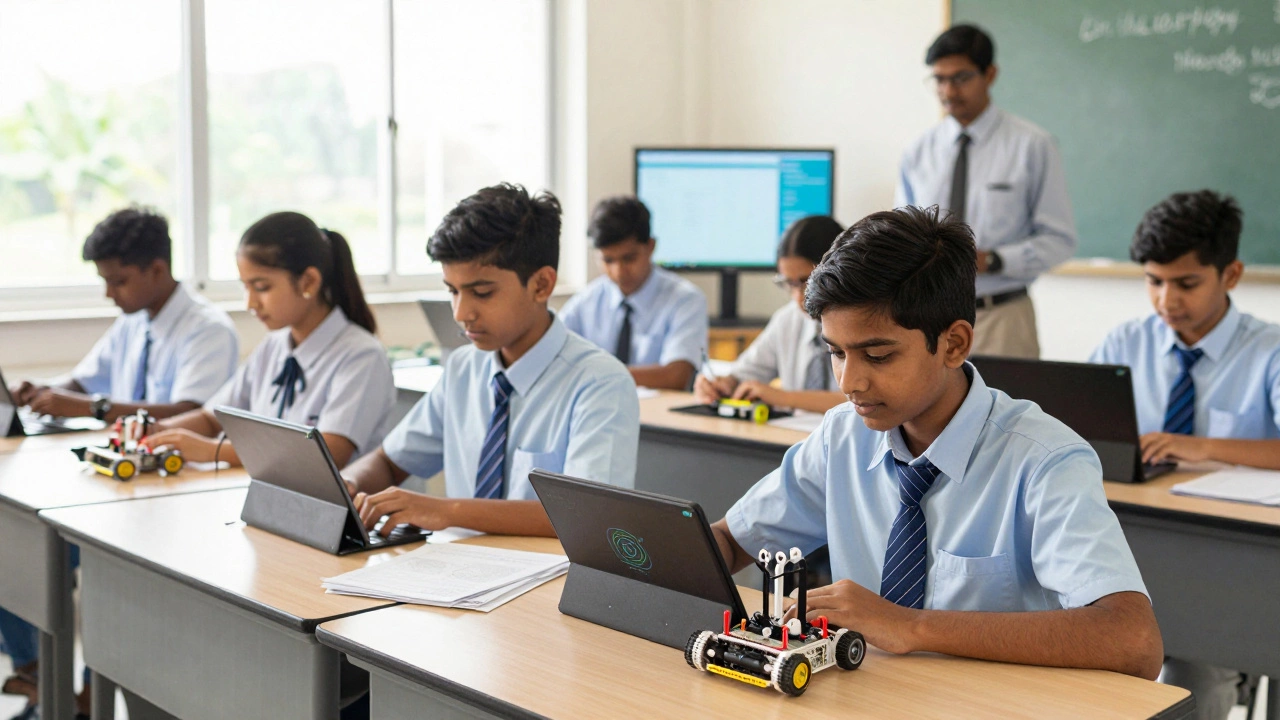
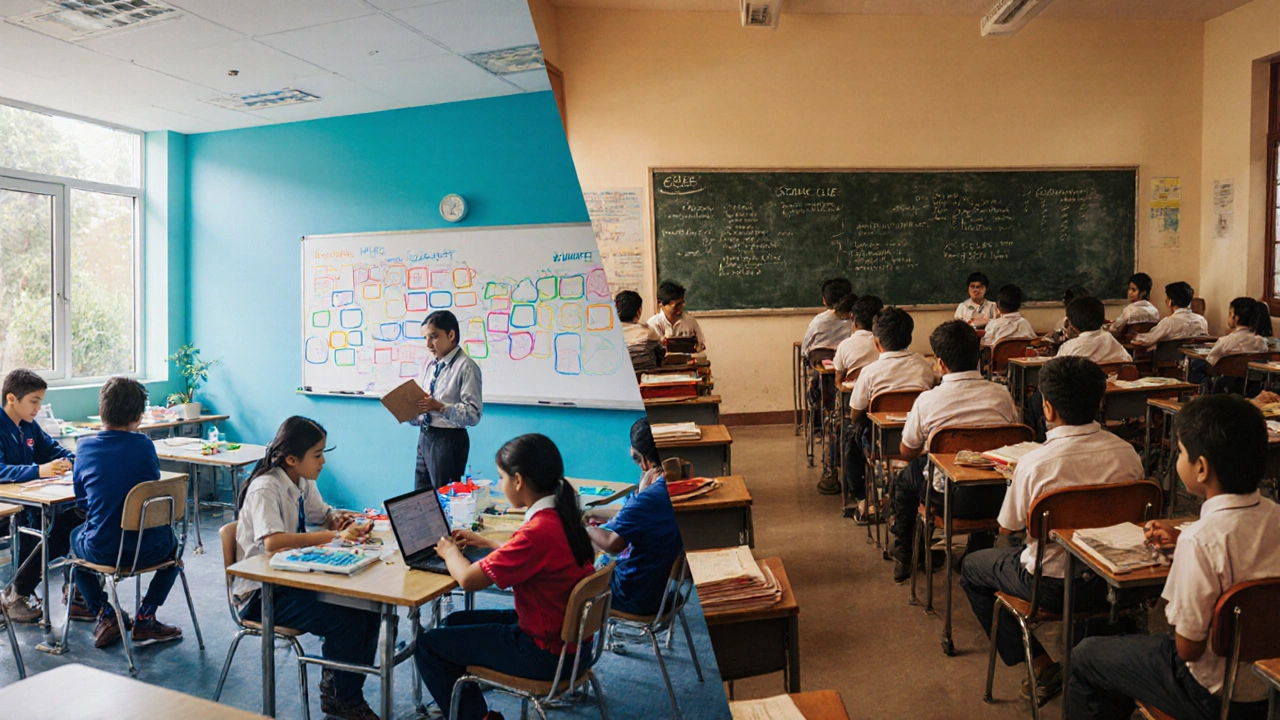
In 2026, CBSE leads in tech and engineering readiness, ICSE excels in global communication skills, and state boards are improving but still lag in infrastructure. Choose based on your child’s future path, not tradition.
Tesla doesn't have a public ban on hiring felons, but background checks and role types matter. Learn which positions are most accessible, how to apply with a record, and what steps to take to improve your chances.
CBSE schools in India follow a standardized national curriculum set by the Central Board of Secondary Education. They're popular for exam preparation, mobility across states, and alignment with competitive exams like JEE and NEET.
CBSE exam papers aren't identical across India, but they're designed to be equally fair. Learn how the board ensures uniformity in syllabus, difficulty, and grading - no matter where you take the test.
Learn how to speak English confidently and fluently with practical, everyday strategies-not expensive courses or perfect grammar. Focus on real speaking habits that build fluency fast.
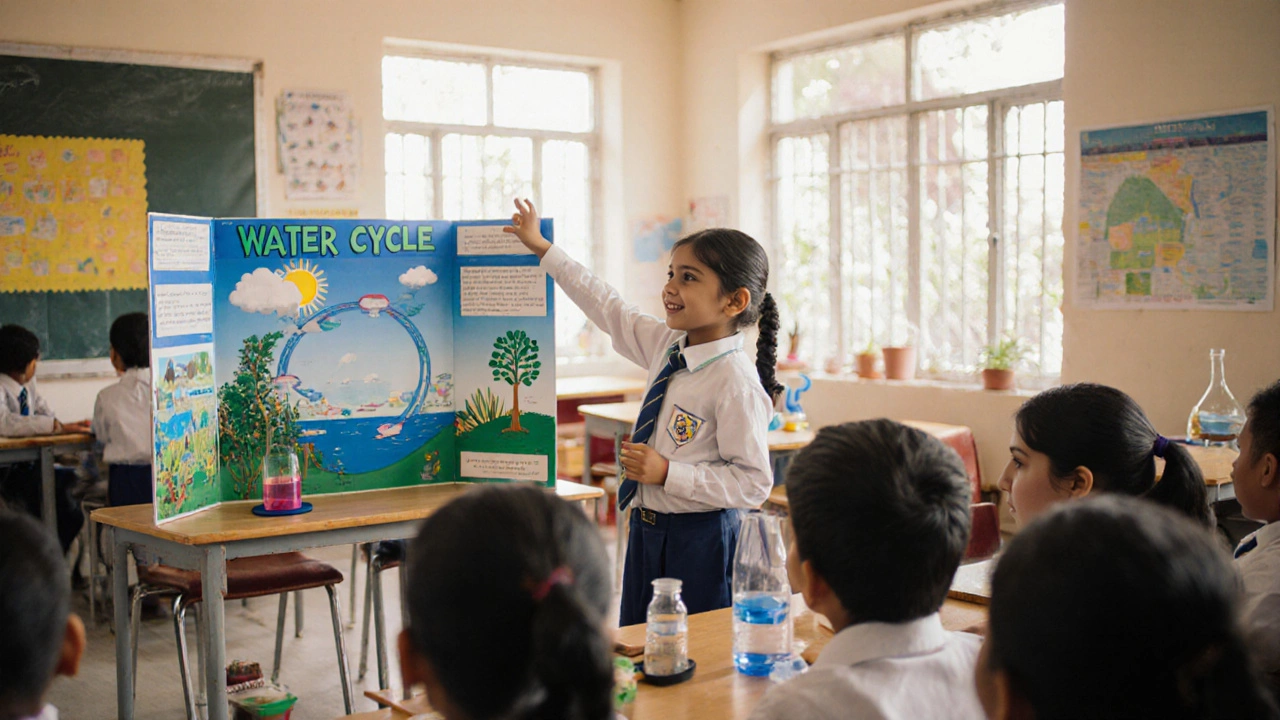
Choosing the right syllabus for kids isn't about popularity-it's about matching the curriculum to your child's learning style. CBSE, ICSE, and state boards each offer different strengths in structure, language, and depth. Find the one that helps your child think, not just memorize.
Explore the global popularity of education boards, see why CBSE leads, compare IB, British and US systems, and get a practical checklist for choosing the right board.
Explore which Indian education board offers the highest overall value. Compare CBSE, ICSE, state boards, NIOS, IB and IGCSE on recognition, exam alignment, cost, and flexibility.
Explore the core differences between college education and vocational training, covering costs, duration, credentials, learning styles, and career outcomes to help you choose the right path.
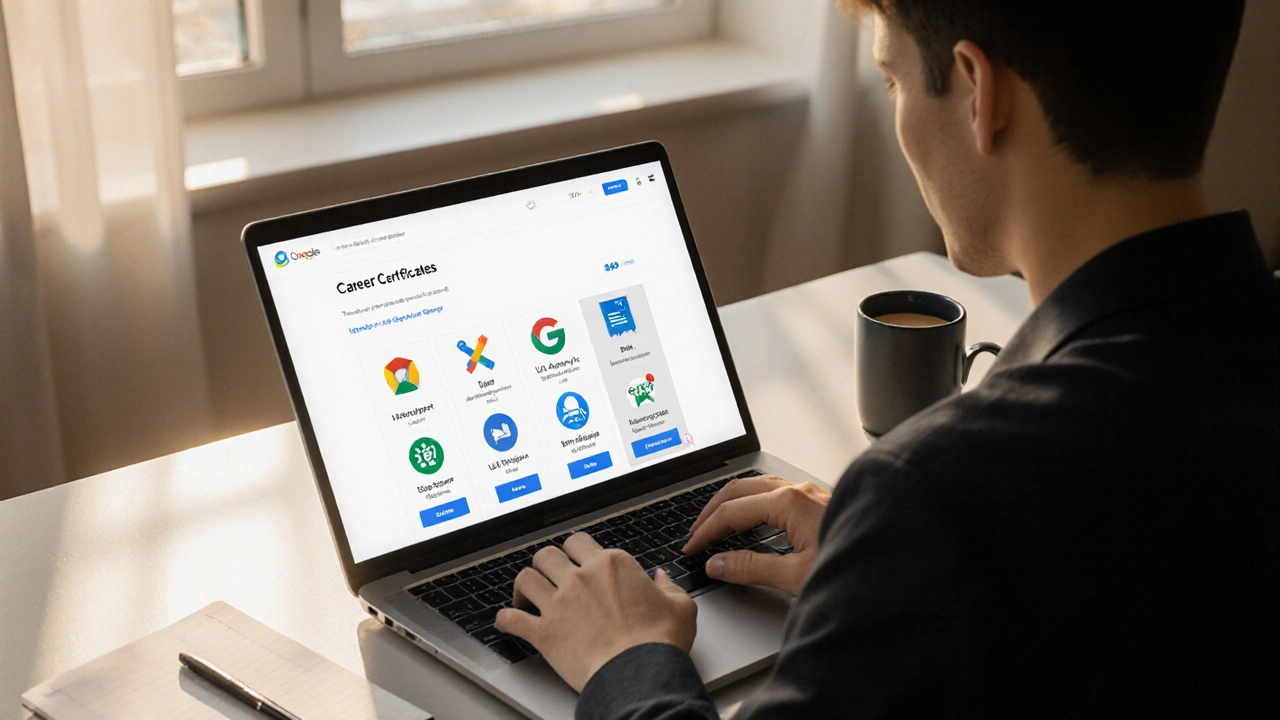
Learn the exact cost of Google certificate courses in 2025, compare subscription and exam fees, explore financial aid options, and see how the investment can boost your salary.