Vocational Courses: Hands-On Training for Real Jobs
When you think about vocational courses, practical training programs designed to prepare you for specific trades or jobs. Also known as career and technical education, it's not about theory—it's about doing. These programs teach you how to fix engines, install wiring, assist in medical offices, code apps, or run a kitchen—all with real tools, real tasks, and real results. Unlike traditional college paths that focus on broad knowledge, vocational courses are built around what employers actually need right now.
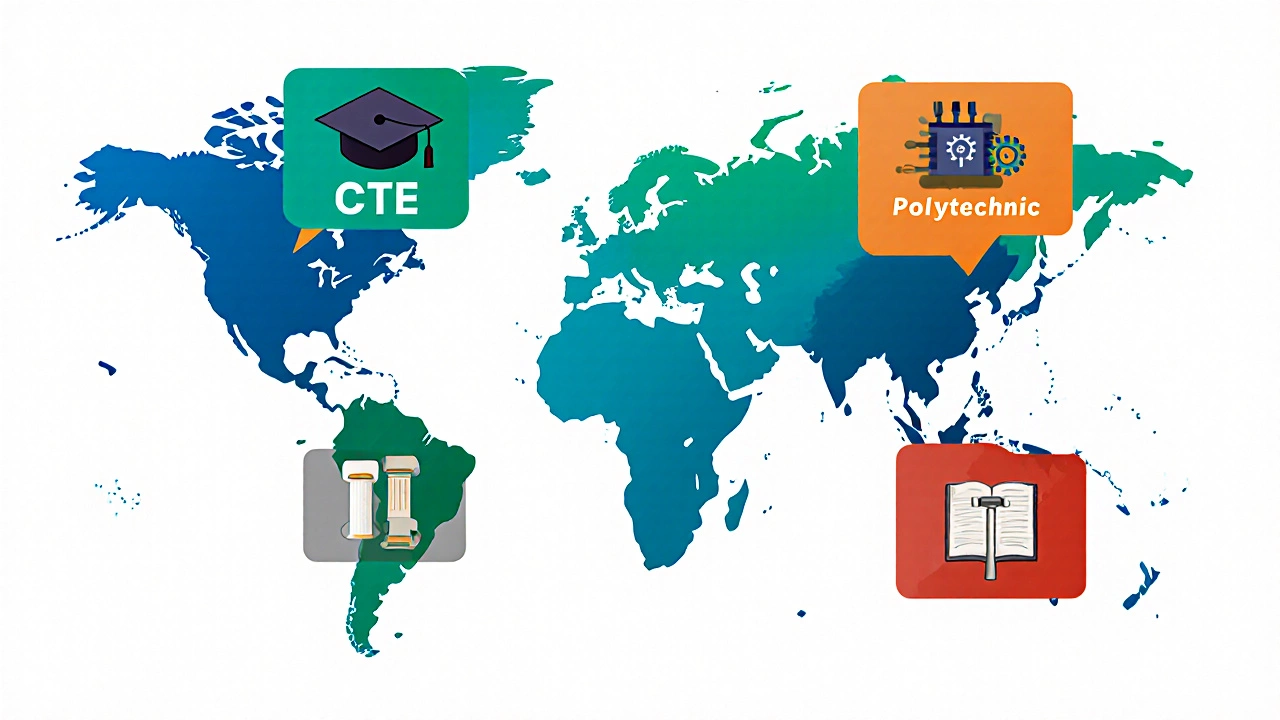
They’re not new, but they’re getting a lot more respect. What used to be called "trade school" is now often named TAFE, Australia’s system of technical and further education that combines classroom learning with workplace experience. In India, you’ll find them as polytechnic diplomas or apprenticeships, on-the-job training where you earn while you learn under a skilled professional. These aren’t second choices—they’re direct routes into high-demand jobs like electricians, plumbers, dental assistants, and IT support specialists. And they often take less time and cost far less than a university degree.
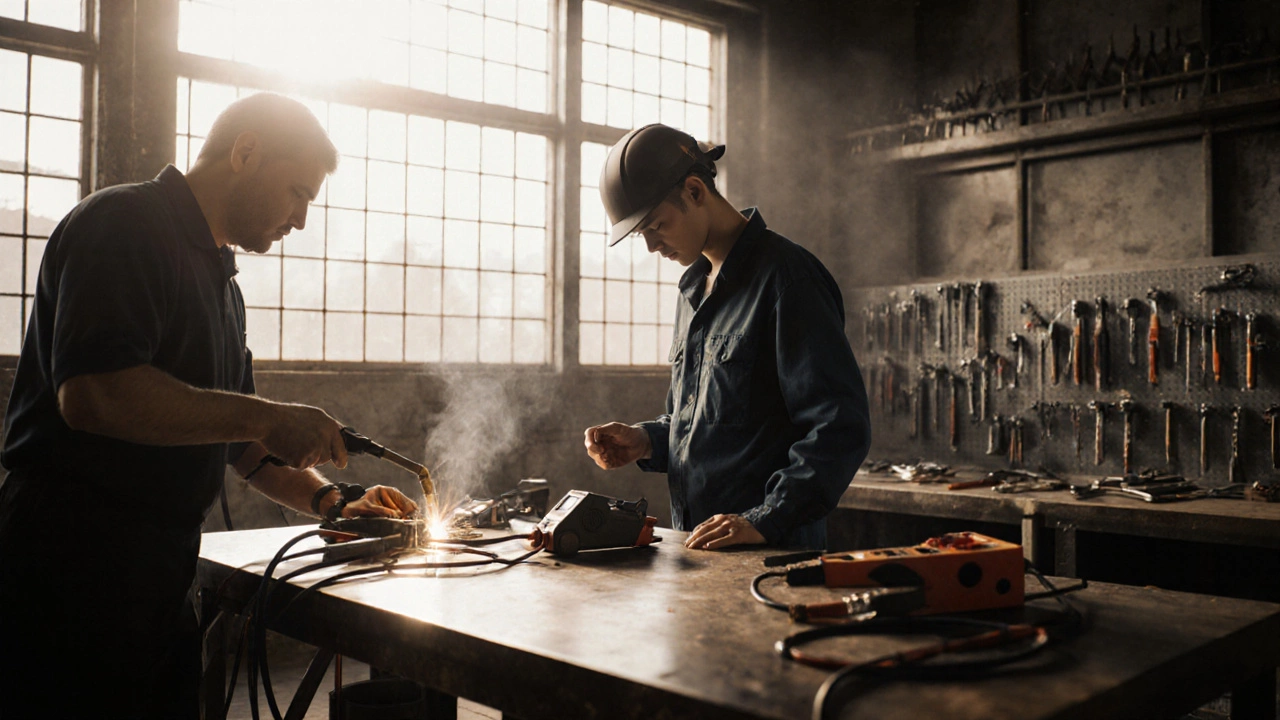
What makes vocational training different? It’s the focus on hands-on skills, practical abilities you can demonstrate on the job, not just write about on a test. You don’t need to memorize theories about plumbing—you learn how to fix a leaky pipe. You don’t need to debate economic models—you learn how to run point-of-sale systems. Employers care about what you can do, not what you can recite. That’s why job readiness is the whole point. These courses are designed to get you hired, not just graded.
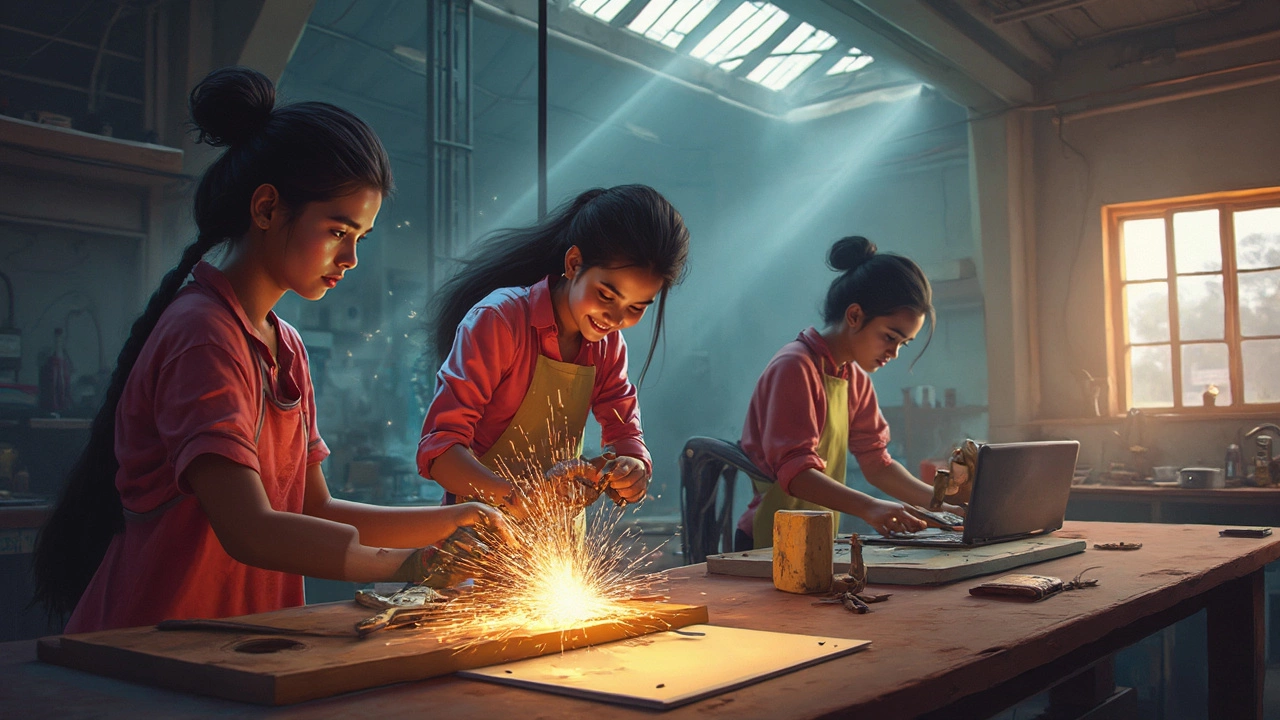
And the options? They’re wider than ever. You can train to become a welder, a cybersecurity analyst, a cosmetologist, a solar panel installer, or a medical lab technician—all through vocational paths. Some programs last a few weeks. Others take two years. But they all share one thing: they connect you to work, not just a diploma. You’ll walk out with a certificate, a portfolio of work, and often, a job offer waiting.
Still wondering if this is right for you? Ask yourself: Do you learn better by doing? Do you want to start earning sooner? Do you prefer fixing things, building things, or helping people face-to-face? If yes, then vocational courses aren’t just an option—they might be your best move. Below, you’ll find clear guides on what these programs really look like, how they’re named today, how they compare to traditional education, and what qualifications actually matter to employers. No fluff. Just what you need to decide your next step.
Vocational education in school means learning real job skills like plumbing, cooking, or IT support while still in high school. It's hands-on, practical, and prepares students for careers-not just exams.
Understanding the difference between vocational and educational paths is crucial for making informed career decisions. Vocational courses focus on hands-on skills and specific job training, while education emphasizes broad academic knowledge. Both have unique benefits and can cater to different career goals. Whether you're aiming for direct entry into the workforce or seeking an academic degree, knowing these distinctions helps tailor your path.
A vocational qualification is your gateway to hands-on skills tailored to specific trades or careers. Unlike traditional college degrees, these programs focus on practical training and job readiness. Ideal for those eager to dive straight into the workforce, vocational qualifications can jumpstart your career in fields ranging from healthcare to technology. This guide explores what vocational qualifications are, their benefits, and how they can shape your professional journey.