E-Learning: Best Platforms, Tools, and How It Really Works
When you think of e-learning, a way to learn using digital tools and internet-based platforms instead of traditional classrooms. Also known as online learning, it’s what millions of students, teachers, and professionals use every day to pick up new skills, earn certificates, or finish degrees without stepping into a physical building. It’s not just videos and quizzes—it’s a full system built around learning management tools, course design, and real-time feedback. Whether you’re a high schooler taking a summer course or a 40-year-old woman switching careers, e-learning adapts to your schedule, not the other way around.
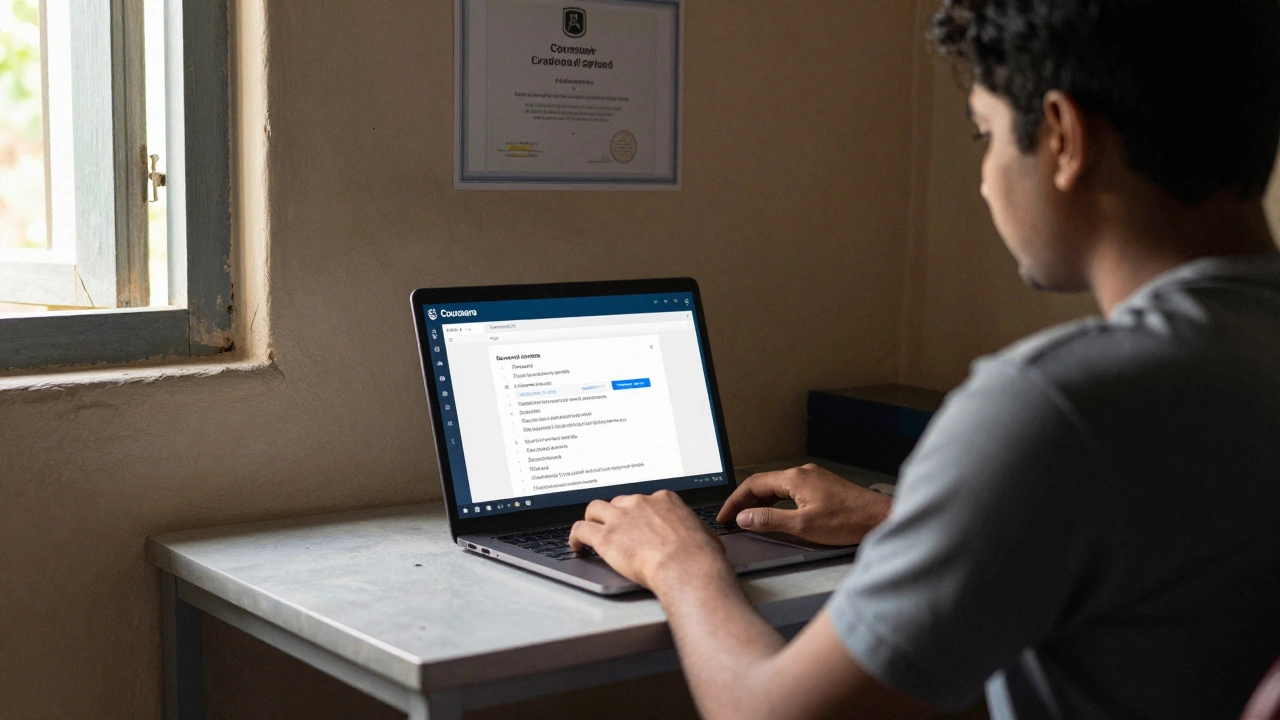
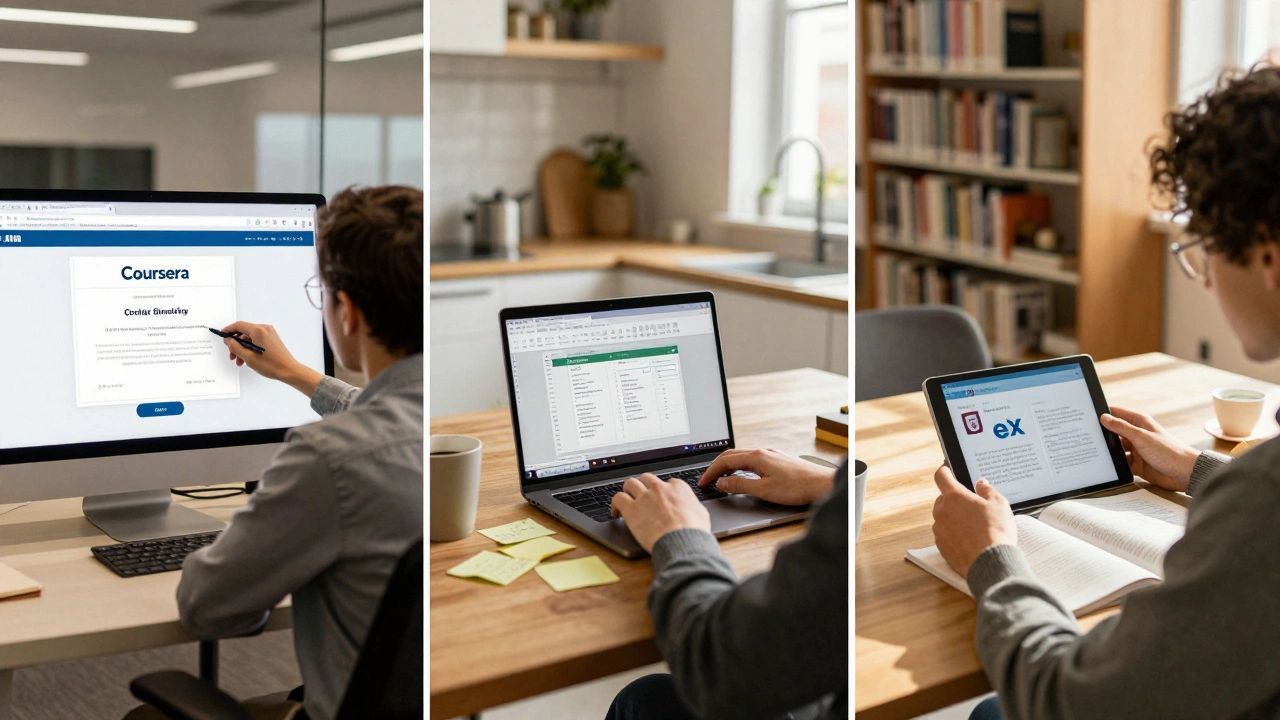
The heart of most e-learning systems is a Learning Management System, a software platform that hosts courses, tracks progress, and delivers assignments. Tools like Moodle and Canvas are the backbone of schools and companies running online training. Then there are the public platforms—Coursera, a site offering university-level courses from top schools, often with paid certificates. Also known as online learning platforms, it’s one of the most trusted names for career-focused learning. You’ll also find Google Classroom, a free, simple tool used by teachers to assign work, give feedback, and connect with students. It doesn’t offer courses, but it powers daily learning for millions in schools worldwide. These aren’t just tools—they’re ecosystems. Some help you learn a language, others build your resume, and a few even let you earn money by teaching others.
What makes e-learning stick isn’t the tech—it’s the design. Good courses break learning into small steps, give you immediate feedback, and let you revisit material anytime. Bad ones just dump a 2-hour video and call it a day. The best platforms—like Khan Academy, Udemy, and Skillshare—know this. They mix video, practice, quizzes, and community to keep you engaged. And they’re not just for students. Teachers use them to flip classrooms. Companies use them to train staff. Even grandparents are learning how to use Zoom or edit photos through these platforms.
There’s a lot of noise out there—free trials, flashy ads, promises of quick riches. But the real value lies in matching the platform to your goal. Want a degree? Look at Coursera or edX. Need to brush up on Excel? LinkedIn Learning or Udemy. Teaching a class? Google Classroom or Moodle. The right fit saves you time, money, and frustration.
What follows is a collection of real, no-fluff guides that cut through the hype. You’ll find honest breakdowns of costs, comparisons between platforms, step-by-step setup tips, and answers to questions no one else bothers to explain. Whether you’re trying to choose your first course, build an online class, or just understand why your kid’s school switched to digital learning—this is where you start.
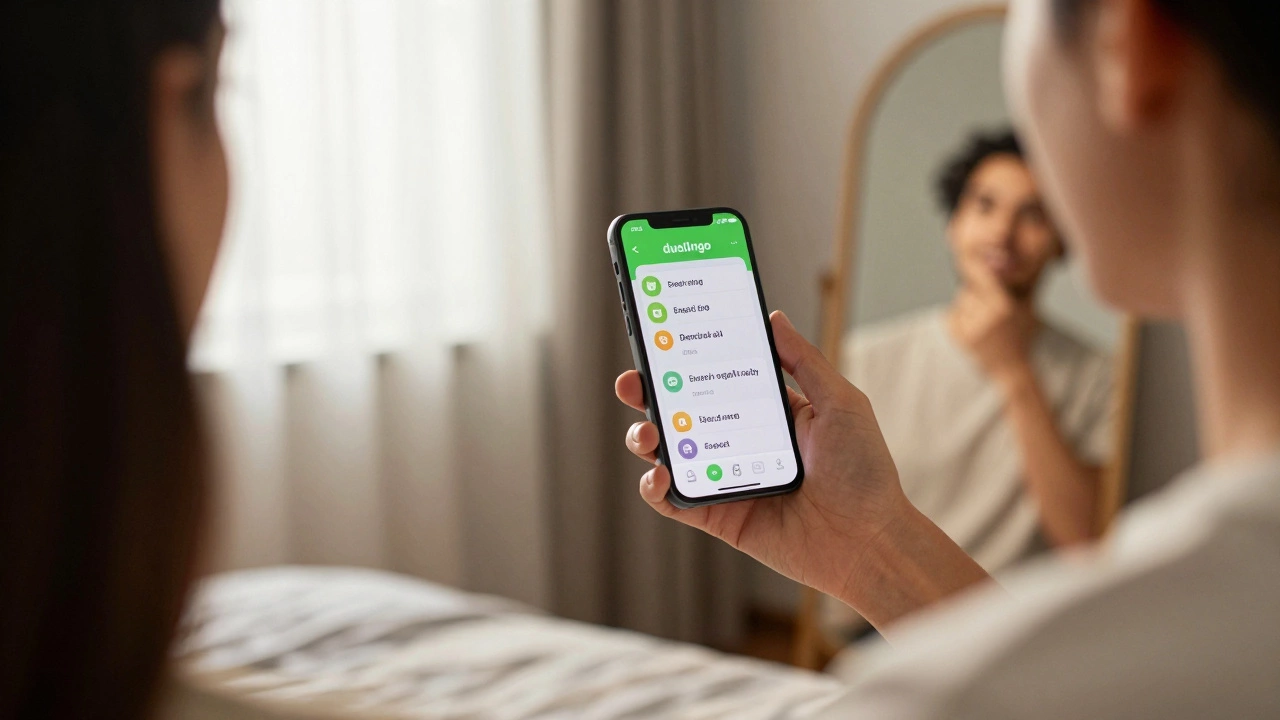
Discover the top apps for improving English speaking skills in 2026, including ELSA Speak, Cambly, and Duolingo, with detailed comparisons to help you choose the right tool.
Learn how to rewire your brain to naturally pick up a new language using neuroscience-backed methods - not flashcards or grammar drills. Real progress comes from daily exposure, emotion, and speaking before you're ready.
Learn how to improve your English speaking skills quickly at home without classes or expensive tools. Just 15 minutes a day using simple, proven methods can build real fluency in weeks.
The three P's of eLearning-Pedagogy, Platform, and Participation-are the essential pillars that turn online courses into effective learning experiences. Learn how each one impacts retention, engagement, and long-term success.
Is paying for Coursera courses worth it? Learn what you actually get, who benefits most, how to pick the right course, and why some people turn $50 into a new career-while others waste their money.
You can learn to speak English for free using apps, YouTube channels, conversation partners, and daily practice. No tuition needed - just consistency and courage to speak up.
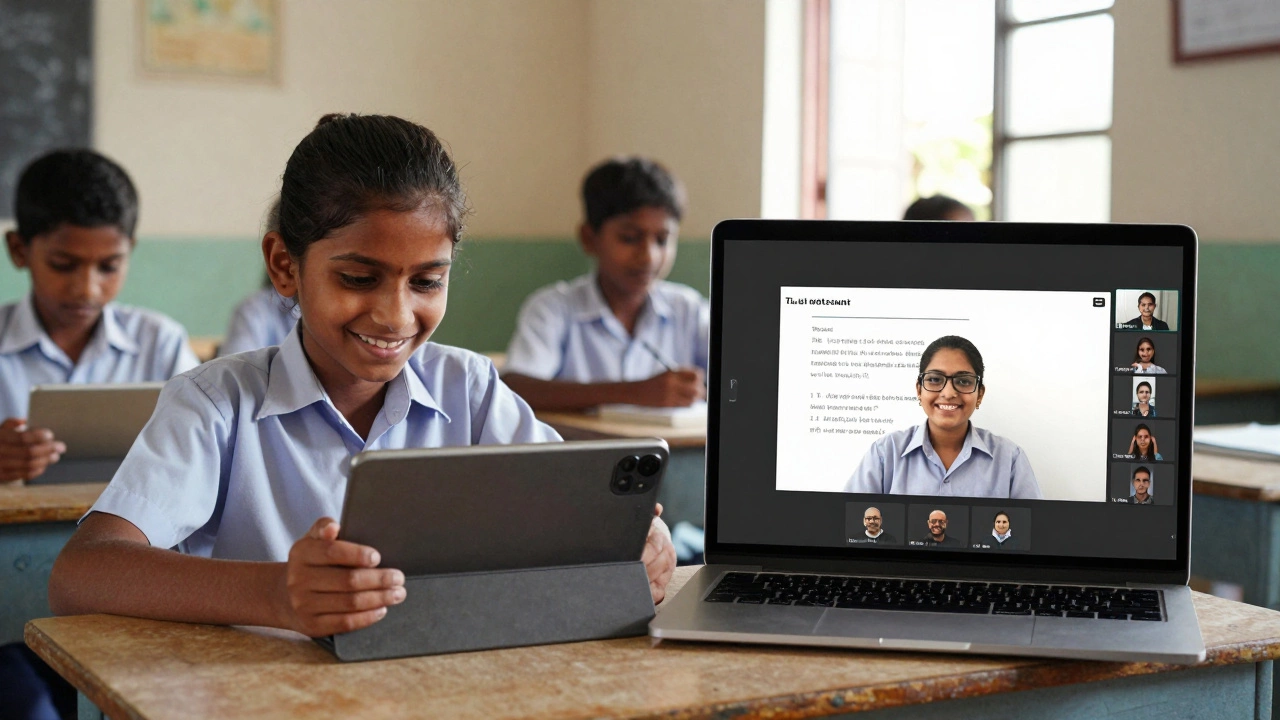
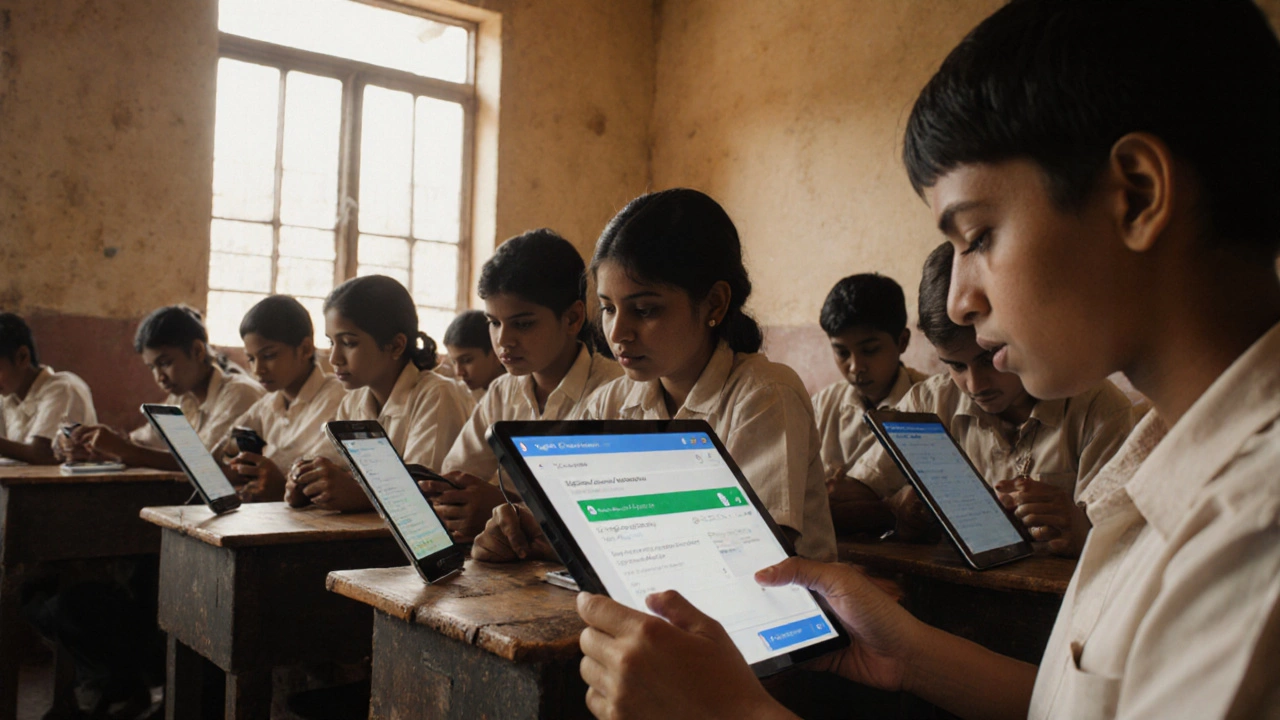
In 2026, Zoom remains the most used platform for online classes due to its simplicity and reliability, especially when paired with Google Classroom for assignments and grading. Other tools like Microsoft Teams are growing but haven't replaced it.
Discover the best online learning platforms in 2026 for career growth, skill-building, and affordable education. Compare Coursera, Udemy, edX, LinkedIn Learning, and MasterClass to find what fits your goals.
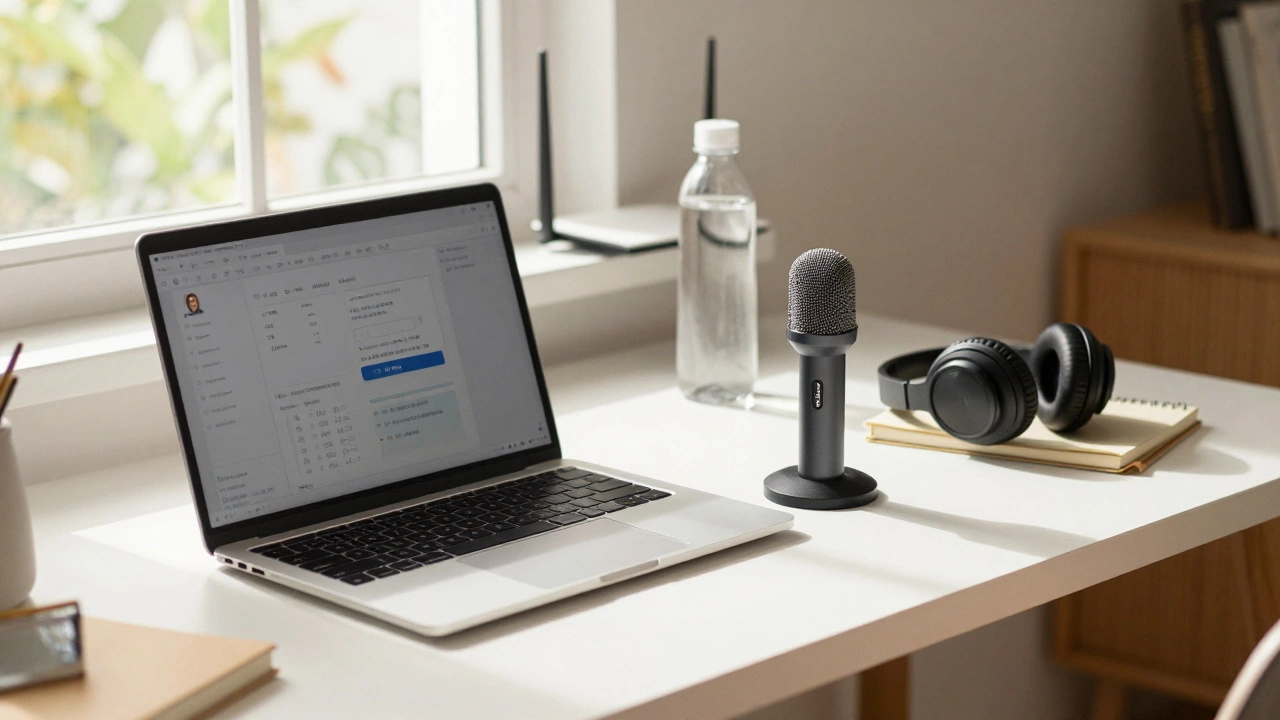
eLearning isn’t just about having a computer and internet. You need reliable hardware, a focused space, good time habits, and a support system to actually finish your courses. Here’s what really matters.
An eLearning system is a digital platform that delivers, manages, and tracks online education. It’s not just videos-it includes quizzes, progress tracking, certificates, and feedback. Used by schools, companies, and learners worldwide.
Learn how to speak English fluently with daily habits, not courses. Discover practical tips like shadowing, language exchange, and self-recording to build confidence and real conversation skills.
E-learning platforms are the most common type of internet platform for education, used by over 100 million people daily. They power schools, universities, and workplaces with tools for learning, tracking, and feedback.