Competitive Exams: Top Tests, Prep Tips, and What Really Makes Them Hard
When you hear competitive exams, high-stakes tests that determine access to top careers, colleges, or government roles. Also known as entrance exams, they’re not just about memorizing facts—they’re endurance tests for your focus, discipline, and mental resilience. In India, these exams aren’t just academic hurdles. They’re life-changing events that shape careers, families, and futures. Millions take them every year, but only a fraction make it through. Why? Because the real challenge isn’t the syllabus—it’s the pressure, the competition, and the sheer scale of what’s at stake.
Take UPSC, India’s most feared civil service exam, with less than 0.5% of applicants clearing it. Also known as Civil Services Examination, it’s not just hard—it’s a multi-year grind that demands consistency, current affairs mastery, and emotional stability. Then there’s NEET, the medical entrance exam that decides who gets into India’s top medical colleges. Also known as National Eligibility cum Entrance Test, it’s a race against 2 million others for just 100,000 seats. And don’t forget government jobs, positions that promise stability but require winning against tens of thousands for a single vacancy. Also known as public sector jobs, they’re the dream for many, but the selection process is designed to filter out everyone but the most prepared. These aren’t isolated tests. They’re part of a system where success depends on strategy, timing, coaching, and sometimes, sheer luck.
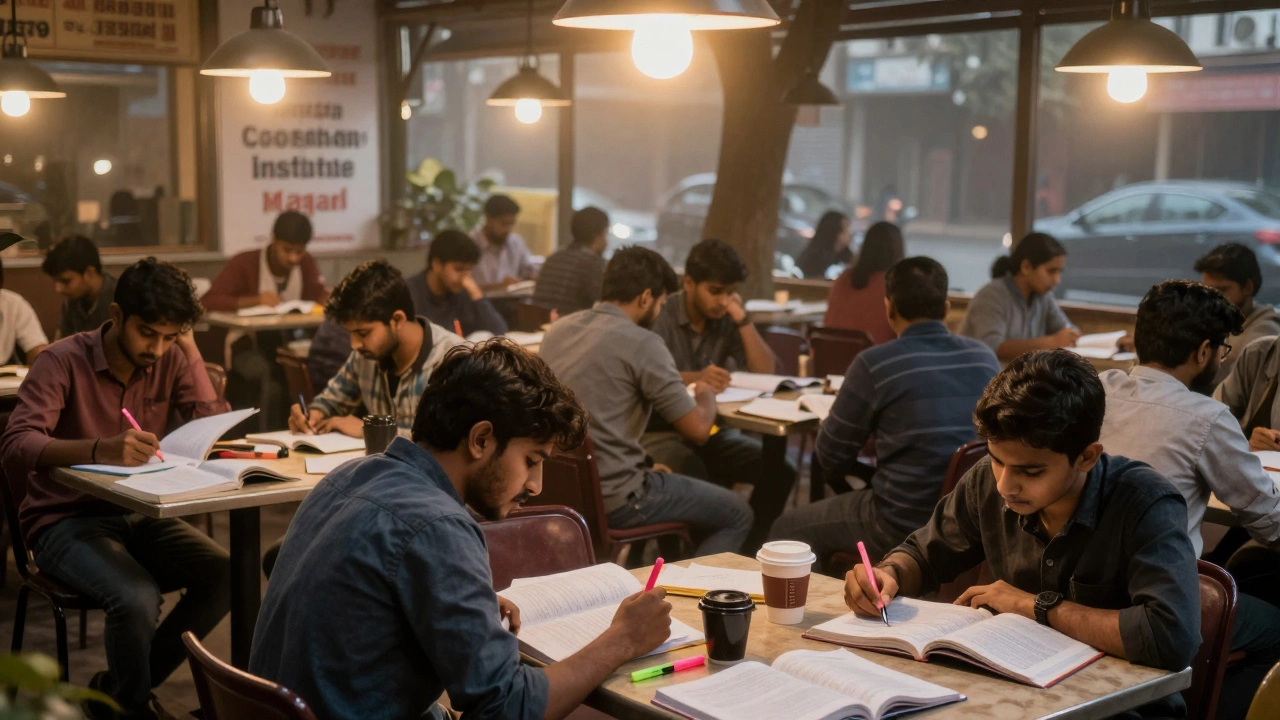
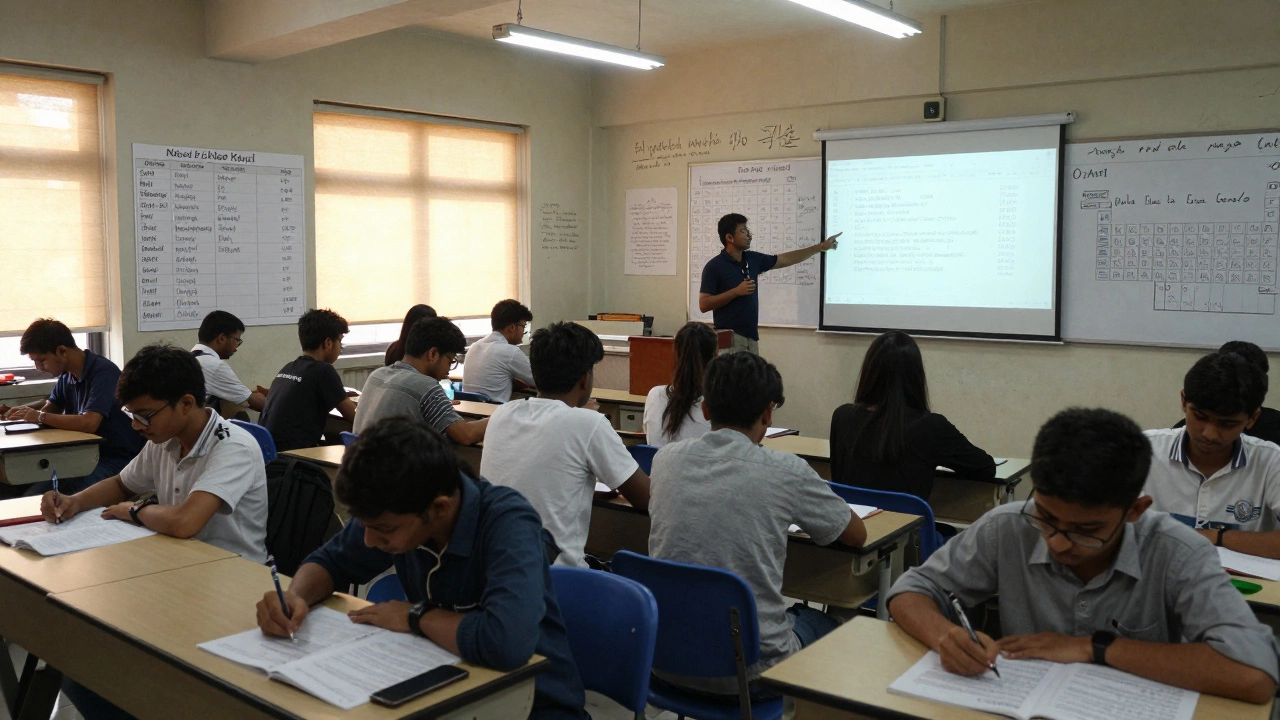
What makes one exam harder than another? It’s not just the number of questions. It’s the syllabus length, the competition ratio, the emotional toll, and how little room there is for error. Some exams test your ability to solve impossible math problems under time pressure. Others test your patience through endless MCQs. Some require you to know everything about Indian polity, while others demand you master organic chemistry reactions from memory. And behind every test is a city—Kota, Delhi, Hyderabad—where thousands live, sleep, and breathe prep day after day.
You’ll find articles here that break down the real stories: who wins, who burns out, which coaching actually works, and why some students crack NEET after three attempts while others give up after one. We’ll show you the hardest math problems that stump even top scorers, the personality types that thrive under pressure, and the surprising truth about losing a government job. You’ll learn where to study, when to start, and what apps actually save time—not waste it. This isn’t theory. It’s what happens when ambition meets reality in India’s most intense education system.
In 2026, the best-paying government jobs include medical officers, cybersecurity experts, federal judges, and senior economists-some earning over $350,000. Learn how to qualify and why these roles outpay private sector equivalents.
The CPA and MCAT are both grueling exams, but they test very different skills. CPA demands precision in accounting rules; MCAT demands mastery of science and critical reading. One can be retaken; the other can change your life.
IIT JEE, NEET, and UPSC CSE are the three toughest exams in India, each with extreme competition, massive applicant numbers, and life-changing stakes. They test not just knowledge, but endurance, willpower, and resilience.
Discover the top high-paying government jobs in 2026 that offer the best salaries, allowances, and long-term financial growth. Learn which roles pay the most and how to land them.
The highest paying job with no experience is often a federal government role like Federal Air Marshal or Customs Officer. These positions start at $60,000+ with no degree required, just passing a standardized exam. Learn how to qualify and avoid common scams.
Discover the best books for government job preparation in 2026, covering UPSC, SSC, Bank PO, and state PSC exams. Learn which resources top scorers use and how to study smart, not hard.
Discover which Indian cities offer the best environment for competitive exam prep in 2026-from UPSC in Delhi to NEET in Hyderabad and JEE in Kota. Learn where to study, what to look for in coaching centers, and how to avoid burnout.
The UPSC Civil Services Examination is widely regarded as the toughest exam in the world due to its ultra-low success rate, vast syllabus, multi-stage process, and the mental endurance it demands over years of preparation.
Discover the top NEET coaching institutes for 2025 and learn what actually works to crack the exam. Compare Allen, Aakash, Resonance, Fiitjee, and online options with real results and expert advice.
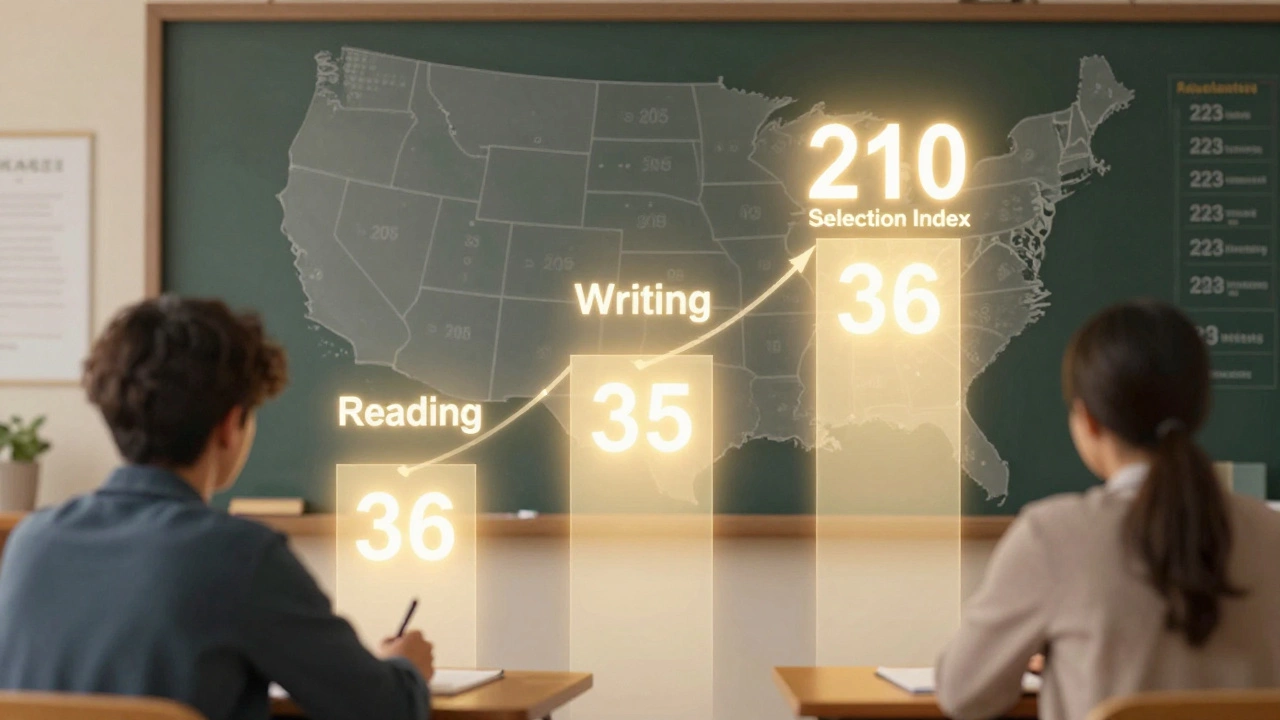
Learn the exact PSAT Selection Index scores needed to qualify for National Merit in 2025, how state cutoffs work, and how to improve your chances of becoming a Semifinalist and winning scholarships.
What makes someone truly competitive in exams isn't talent or luck - it's consistency, mental discipline, and a system for turning failure into progress. Learn the habits of top performers.
China leads in math Olympiads, Singapore tops real-world math scores. Discover which countries excel in competitive math and why their systems work-backed by PISA and IMO data.